Archives

A Passion for Patients

Photo © Mercy Ships, Justine Forrest

Medical laboratory scientists are a critical part of the health care industry, although their efforts can sometimes go unnoticed. With a never-ending line of tests to run and results to return, “lab rats” usually stick to their work, rarely interacting with patients or some of the other aspects of a hospital. Leah (Weiler) Cate pursued an atypical experience as a laboratory scientist and was rewarded with the good fortune to meet colleagues from around the world, learn new skills and see firsthand the difference health care can make in a patient’s life.

After receiving a degree in biology from Truman in 2010, Cate earned her MLS certification through a program at St. Luke’s Health System in Kansas City, Mo. She continued her career at the hospital, and although she enjoyed the work, she was interested in pursuing volunteer opportunities abroad.

“There aren’t many organizations out there where lab people can easily get involved,” she said. “I was looking for something that was big enough to need a laboratory and was doing good things for the community they were in at the time. Mercy Ships seemed like the perfect fit when I found them.”

Mercy Ships is a non-profit organization that provides free surgeries to people in underdeveloped countries. At any given time, it has between one and three ships in service, mainly in Africa. Once docked in port, the staff provide medical assistance on the ship for up to 10 months. Services vary depending on the needs of the patients and the expertise of the doctors, but often include treatment for burns, goiters, benign tumors, cleft lip repairs, orthopedic surgeries and cataract procedures, among others.

“The types of surgeries the ship does are mainly for things that we take for granted here in the states,” Cate said.

In addition to providing medical services, the Christian-based organization offers many programs off the ship, including dental clinics, church services and support of nearby orphanages. Mercy Ships also has helped to renovate an old hospital, and its volunteers regularly teach locals what they can do better in terms of health care.   

Cate has twice served on board Mercy Ships, in 2015 and 2016, both times in Madagascar. As a volunteer, she did not receive any compensation, and she paid her own expenses, including travel to the ship. Those were not the only sacrifices she made. Mercy Ships do not have access to blood banks like hospitals do in developed countries. All of the blood used during surgeries on the ship comes from the staff. Cate donated during both of her stints with Mercy Ships, and actually hand delivered it to the patients. Her second donation went to a young child named Jeremie.

“He was so small we divided up the unit, and he received my blood three different times before going home,” Cate said. “When his mother found out that it was my blood he was getting she said – in English – ‘Thank you. Thank you, so much!’”

Many patients recuperate on the ship, which afforded Cate the ability to interact with them. She remembers Landrino, a small boy recovering from a burn contracture surgery who loved to cause mischief for the nurses, and Santa, a girl treated for a cleft lip and whom Cate calls “probably the cutest baby I had ever seen.”

Since her time with Mercy Ships, Cate has settled in to a permanent job at a hospital system in Warrenton, Va., and is happy working as a generalist in the lab. She has considered going back to school for nursing and would also like to serve with Mercy Ships again before she and her husband start a family.

Are You an Alumni Chapter Member?

Truman has 10 alumni chapters located across the country where there are large populations of alumni. Joining an alumni chapter is a great way to network and make connections that could help in a future job search, as well as make new friends and have a great time at fun events. Chapter membership is only $20 per year and $30 for joint memberships. Recent grads may join for half price. Enjoy events like museum tours, trivia nights, social hours, professional sporting events and Truman athletic events, just to name a few. Join today! Go to alumnistore.truman.edu and select memberships.

Visit Iceland This Summer Through the Alumni Travel Program

Spots are filling up fast for the Alumni Travel Program’s trip to Iceland, June 9-15, 2018. Participants will have opportunities to whale watch, visit one of the world’s largest geothermal power stations and explore the frozen landscapes featured prominently in “Game of Thrones.” Among the sites to behold on this scenic trip are the Gullfoss, Iceland’s most famous waterfall, as well as Lake Jokulsarlon and the national park at Skaftafell.

The trip includes a daily breakfast, welcome reception and five dinners, along with first-class hotel accommodations. Daily excursions are included, and a few optional excursions will be offered. Alumni and friends will travel in comfort on a deluxe motor coach that features complimentary Wi-Fi, an experienced driver and knowledgeable tour director.

For more information on the Iceland trip, visit truman.edu/alumni-donors/alumni-resources/annual-group-travel-program or contact the Alumni Office at (660) 785-4133 or bulldogforever2@truman.edu.

Future destinations may include Spain and Portugal, Cuba, Germany, Greece, Hawaii, Italy, Panama and Washington, D.C., to name a few. To suggest a destination, or to be added to the mail list for future trips, email bulldogforever2@truman.edu.

Bulldog Forever – Denise Smith

Denise Smith
1957-2017

All totaled, Denise Smith devoted more than a third of her life to the University. As a student, she was a proud member of Sigma Sigma Sigma sorority, maintaining her ties with the chapter long after receiving her bachelor’s degree in 1979. Following 12 years as the general manager of KMEM radio in Memphis, Mo., she returned to her alma mater as director of alumni relations.

During her nearly 18-year career, Smith worked tirelessly with the Alumni Board of Directors to create a nationwide network of Bulldogs. She was passionate in her efforts to ensure all alumni felt a genuine connection to the University. Because of her leadership, there are now 10 alumni chapters throughout the country, along with a handful of smaller alumni clubs. The University’s travel program has grown in popularity, visiting the likes of France, Scotland, London and, later this year, Iceland. Working in conjunction with the board, Smith helped institute National Truman Spirit Day, celebrated annually on the first Friday in October. Most recently, she was instrumental in establishing TruCare, a monthlong service initiative to inspire alumni to volunteer their time to charities in their communities.

Smith’s commitment to Truman was immeasurable. In addition to her duties as director of alumni relations, she served as the interim co-director of advancement from January 2016 until her untimely passing, Nov. 9, 2017. Although she is gone, the impression she left on the alumni and friends who knew her will not be forgotten.


“Pursue the Future” Campaign Tracking Toward a Successful Conclusion

With less than six months remaining in the campaign, more than $38.1 million of the $40 million goal has been generously donated/pledged by alumni, parents and friends of Truman. Gift commitments are supporting the four campaign priorities of:

• Scholarships
• Faculty Development/Academic Program Support
• Athletics
• Mission Enhancement/Truman Fund for Excellence

“It is so rewarding to see the collective impact of all the alumni and friends who have chosen to support this campaign. As we approach the end of the campaign, it becomes even more evident how important every single gift commitment is toward reaching a goal of this magnitude.”

— CHARLES HUNSAKER, interim director of advancement

The “Pursue the Future” steering team invites everyone to join the pursuit by supporting the campaign with a gift/pledge before June 30, 2018.


Campaign Steering Team

Sharron Quisenberry (’66), Chair
Pinney Allen
Cheryl Cozette
Chuck Foudree (’66)
Mike McClaskey (’85)
Linda Miller (’70)
Larry Quisenberry (’66)
Sue Thomas, University President
Charles Woods (’86)
Scott Zajac (’83)

Celebrating the Past, Pursuing the Future

The sesquicentennial year has been a great way to look back on the University’s history and celebrate the people, milestones and events that have shaped Truman. The 150th anniversary has also fueled a passion to build for the future – to ensure current and future Bulldogs have the same life-changing opportunities as the alumni who have gone before them.

Two major fundraising efforts have centered around Truman’s special year: the 1867 Challenge and the renovation of Sesquicentennial Plaza.

The 1867 Challenge – named for the year Truman was founded, was 1,867 minutes long. For 31 hours and seven minutes between Nov. 15-16, donors had the opportunity to take advantage of matching support to the Truman Fund for Excellence, the Faculty Development Fund and Truman Athletics. Special challenge hours over the course of the campaign offered increased matching funds for graduates of the last decade, first-time donors, faculty and staff and other groups.

Three challenge areas received generous matching donations from alumni: Mike and Janet (Yearns) McClaskey supported the Truman Fund for Excellence; Larry and Sharron Quisenberry focused on the Faculty Development Fund; and Mark and Jill (Matthys) Schell aided Athletics. All three areas fall into the “Pursue the Future” campaign priorities. Donations to campaign priority areas provide vital resources that allow students to pursue their futures while helping the University build for the next 150 years and beyond.

During the challenge, 449 gifts were made to the featured challenge areas. Including matching gifts, more than $136,000 was contributed. More details on the impact of the endeavor are available online at 150.truman.edu/1867challenge.

While the 1867 Challenge figuratively paves the way for future students, the Sesquicentennial Plaza renovation literally paves the way. This project gives alumni, parents, faculty, staff and friends of the University the opportunity to invest in the renovation of the mall directly east of the Student Union Building. The mall area between McClain Hall and the Student Union Building was completed in 2015. The Sesquicentennial Plaza renovation picks up where that effort ended.

With a gift of $150 to the Sesquicentennial Plaza Fund, donors have the opportunity to personalize a 4”x 8” brick. Personalized 8”x 8” pavers are available with a $500 donation. Bricks and pavers can honor a grad year, celebrate the accomplishments of a friend or loved one, memorialize a mentor or acknowledge the contributions of a student organization. Greek characters can be included on the bricks. Contributions to the Sesquicentennial Plaza Fund will provide resources to renovate and maintain the University mall and allow donors to make their mark on Truman’s campus.

In addition to personalized bricks and pavers, naming rights for larger items along the mall are available. Benches, garden plots, the fountain and the plaza are up for grabs. To learn more about named gifts, or how to contribute to the plaza renovation, contact Stacy Tucker-Potter in the Office of Advancement at (800) 452-6678 or stuckerpotter@truman.edu.

More information regarding the Sesquicentennial Plaza renovation, including the opportunity to personalize a brick or paver, is available online at 150plaza.truman.edu. The campaign will end June 30, 2018 with the installation of bricks and pavers to follow.

Truman Athletics Hall of Fame 2017-18 Class

Two of the most dominate female student-athletes in their respective sports and a conference championship basketball team highlight the class of 2017-18 for the Truman Athletics Hall of Fame.

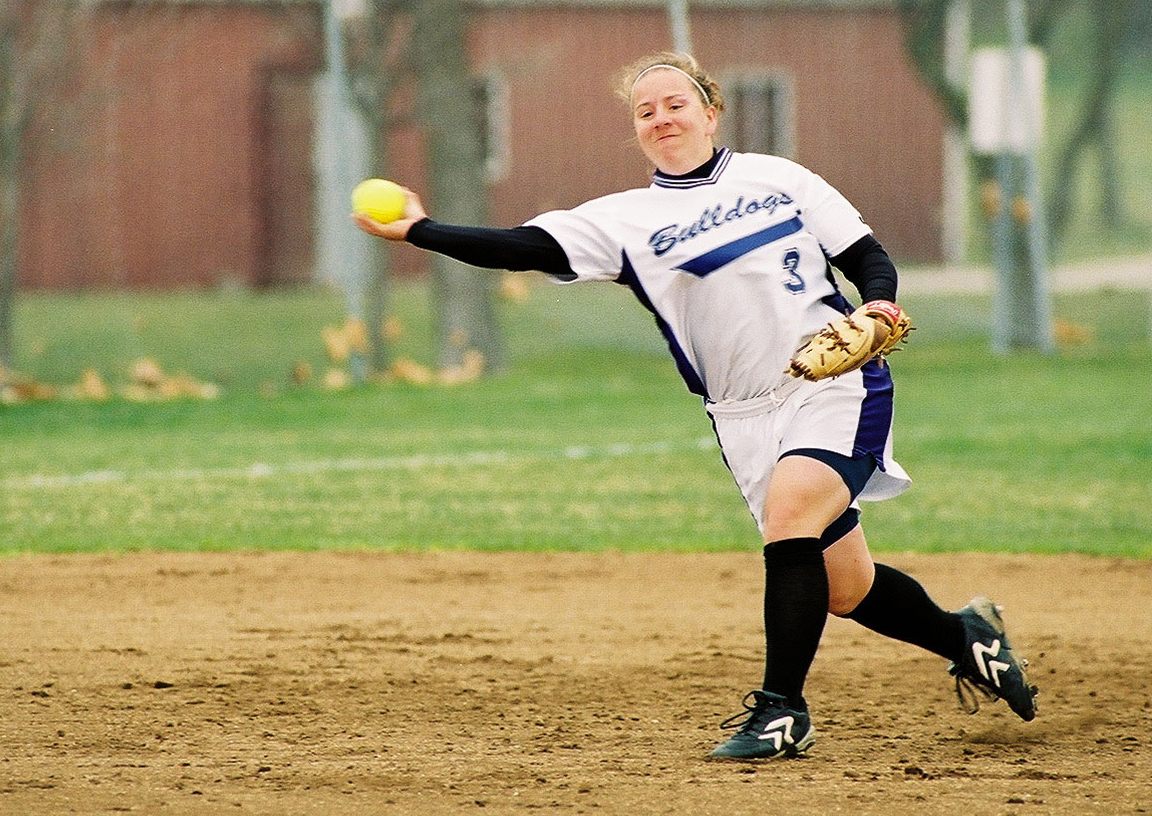
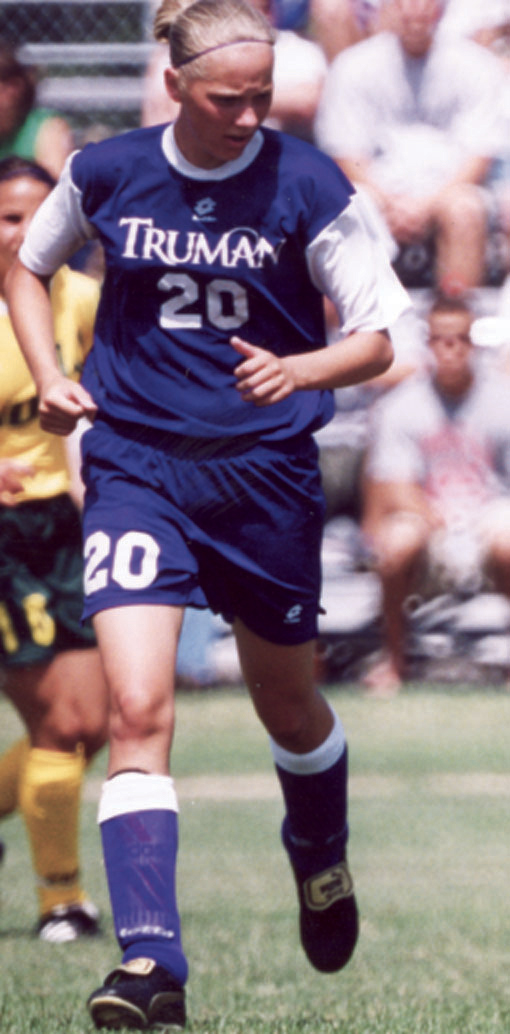
Elizabeth Economon (softball) and Sara Murray (women’s soccer) combine for more than 228 wins for the Bulldogs, eight NCAA tournament appearances, and each holds numerous school records in their respective sports as they both played for Truman from 2001-2004. They were honored as part of Homecoming 2017, Oct. 13-14, in Kirksville.

Elizabeth Economon

Elizabeth Economon

Economon was a three-time All-American for the Truman softball team and helped lead the team to two regular season and two Mid-America Intercollegiate Athletics Association tournament titles, along with four straight NCAA Division II regional appearances.

She was the MIAA Freshman of the Year in 2001 and Most Valuable Player in both 2002 and 2003. Economon still holds Truman career records in runs scored, hits, home runs, total bases, runs batted in and walks and holds single-season records in doubles, home runs, walks and batting average. Her 61 walks issued to her in 2004 are still tops in the MIAA and listed among the most issued in a single season for all of Division II.

As a member of the Bulldogs, the teams she played on went 157-58-1 and she personally hit .431 with 50 home runs, 193 RBIs and had a career on-base percentage of 52 in 213 games played.

Economon was a three-time CoSIDA Academic All-District honoree and was the 2004 Truman Outstanding Female Student-Athlete. She was the first full-time assistant coach at Truman, having served for two years before moving on to New Mexico and Southeast Missouri State as an assistant coach. She became a head coach at Pittsburg State in 2012. She spent five seasons in the dugout for the Gorillas and amassed a 204-131 record with four All-Americans and 37 All-MIAA players. Economon joined former teammate Kristi Bredbenner’s staff as an assistant coach at Wichita State University this fall.

Sara Murray

Sara Murray

Murray was the first, first-team All-American for the Truman women’s soccer team and repeated that feat in back-to-back seasons in 2003 and 2004. She was a four-time, first-team all-region and All-MIAA selection and earned conference Freshman of the Year accolades in 2001 and Most Valuable Player in 2003.

Murray and the Bulldogs were nearly unstoppable with a 71-9-5 overall record, with four of the losses coming in each season during the NCAA Division II tournament, and an even more impressive 48-1-3 conference record.

She still holds the entire career scoring records for both Truman and the MIAA. She tallied 59 goals, 42 assists for 160 points and was only the 13th player in Division II history to achieve at least 40 goals and 40 assists during their career.

Murray holds three of the top five, including the top two, single-season scoring marks at Truman with 18 goals in 2003, 17 in 2001 and 15 in 2004. She is tied for second in career games played with 85.

Murray was a two-time CoSIDA Academic All-American and the 2004 recipient of the Ken B. Jones Award that was given to the overall top male and female student-athlete in the MIAA. She was the second Bulldog to earn that prestigious award and first female student-athlete.

After graduation, Murray served with the AmeriCorps National Civilian Community Corps and aided recovery efforts following Hurricane Katrina in the gulf coast. She then went into medical school at the University of Minnesota, followed by seven years at the University of Wisconsin. She is currently working at Washington University in St. Louis finishing up her surgical training in minimally invasive surgery.

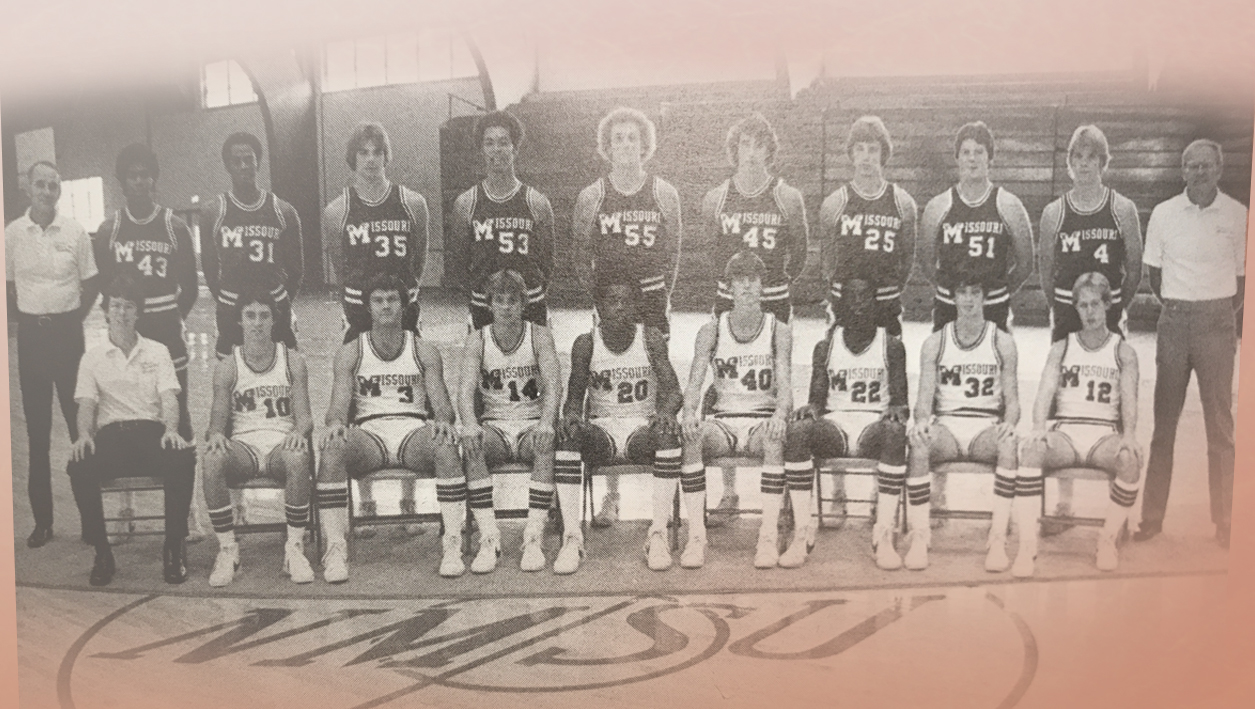
The 1978-79 Bulldog men’s basketball team won the MIAA regular season championship with a 9-3 record and posted a 20-8 overall mark. Up until that season, it was only the third 20-win campaign in school history and, prior to last year’s Bulldogs, held the school record for scoring average at 86.4 points per game.

Head coach Willard Sims placed five players on the all-conference team, including the league’s most valuable player in Terry Bussard. Leading scorer Ved Green was also a first-team honoree as he averaged 17.7 points in 28 games played. Honorable mentions were David Winslow, Mark Sanders, Matt Maddox and Bill Woodall.

The Bulldogs finished the season ranked seventh in the NCAA Division II and earned a bid to the NCAA South Central regional in Thibodaux, La.

The team will be honored and enshrined as part of Basketball Alumni Weekend, Feb. 3, in Kirksville.

Top Dogs

Football
Sam Reeves finished a half sack from tying the Truman football single-season record for quarterback sacks with 11.5 and was ninth in all of Division II. He finished with 16 tackles for loss and as a sophomore is already fourth on the career sacks and tackles for loss list at Truman. Jordan Salima finished second in the GLVC in rushing yards with 1,111 and led the league in attempts with 253. He finished the season with a career-best performance of 41 carries for 195 yards against McKendree as the Bulldogs won their fourth straight game. Both Reeves and Salima earned all-league honors for the second time in their second season of action. Overall, 10 players earned all-conference honors with four on the first team.

Women’s Soccer
Katie Mattingly wrapped up her Truman career with the second-most minutes in goal by a Bulldog keeper. She was 42-14-15 during her four-year career with 41 shutouts, two off the career school record set by Emily Huyck. She was second among active Division II keepers in shutouts and fifth across all three NCAA divisions. Mattingly was a two-time All-GLVC goalkeeper and was the 2016 GLVC Defensive Player of the Year. She was also named a CoSIDA Academic All-American following her junior year. The Bulldogs were 6-6-5 this season with defender Laura Ney and forward Allison Lockett earning all-region honors.

Men’s Soccer
Junior forward Trevor Kaufmann returned to the form that earned him third-team All-GLVC honors as a freshman in 2015. Fast forward to 2017 and Kaufmann was tied for the team lead in goals (4), points (10) and assists (2) while finishing in second for both shots (21) and shots on goal (11). The St. Louis, Mo., native was on a mission out of the gate as all four of his scores came in the team’s first eight matches. By finding the back of the net four times this season, Kaufmann has now done so 11 times in his career.

Volleyball
Prior to this season, Jasmine Brown had never recorded a double-double with kills and digs in her career. In 2017, the 5’ 10” outside hitter did just that 15 times, including four occurrences in her last six outings. In fact, for her first three seasons, Brown had reached double-figures in digs just three times, but did so on 18 occasions this fall. As a senior, Brown has set new personal bests for sets played (103), kills (335), kills per set (3.25), total attacks (1,086), service aces (31), aces per set (0.30), digs (338), digs per set (3.28) and total blocks (68).

Cross Country
Brice Pavey and Michaela Hylen were the top runners for Truman cross country all season long and led each team to their best finishes in the conference meet since joining the GLVC. Pavey earned All-GLVC honors with a ninth-place conference finish and helped the men to a fifth-place team finish while Hylen was 12th and freshman Kelly Doerr was 13th to earn all-league accolades and a fourth-place team finish. The Bulldogs hosted the 2017 GLVC Championships at the Kirksville Country Club.

Women’s Golf
What hasn’t already been said about senior golfer, Nicolle Barmettler? Heading into her final spring as a Bulldog, Barmettler is one of the top golfers in the program’s history. For her career, the Omaha, Neb., native has two tournament titles, 16 top-five finishes, 30 in the top 20, and 38 rounds under 80 with a career average of 79 (5,370 strokes in 68 rounds). In the team’s five tournaments for this fall, Barmettler’s finishes went second, tied for fifth, tied for sixth, first and sixth.

Meet Our New Leader

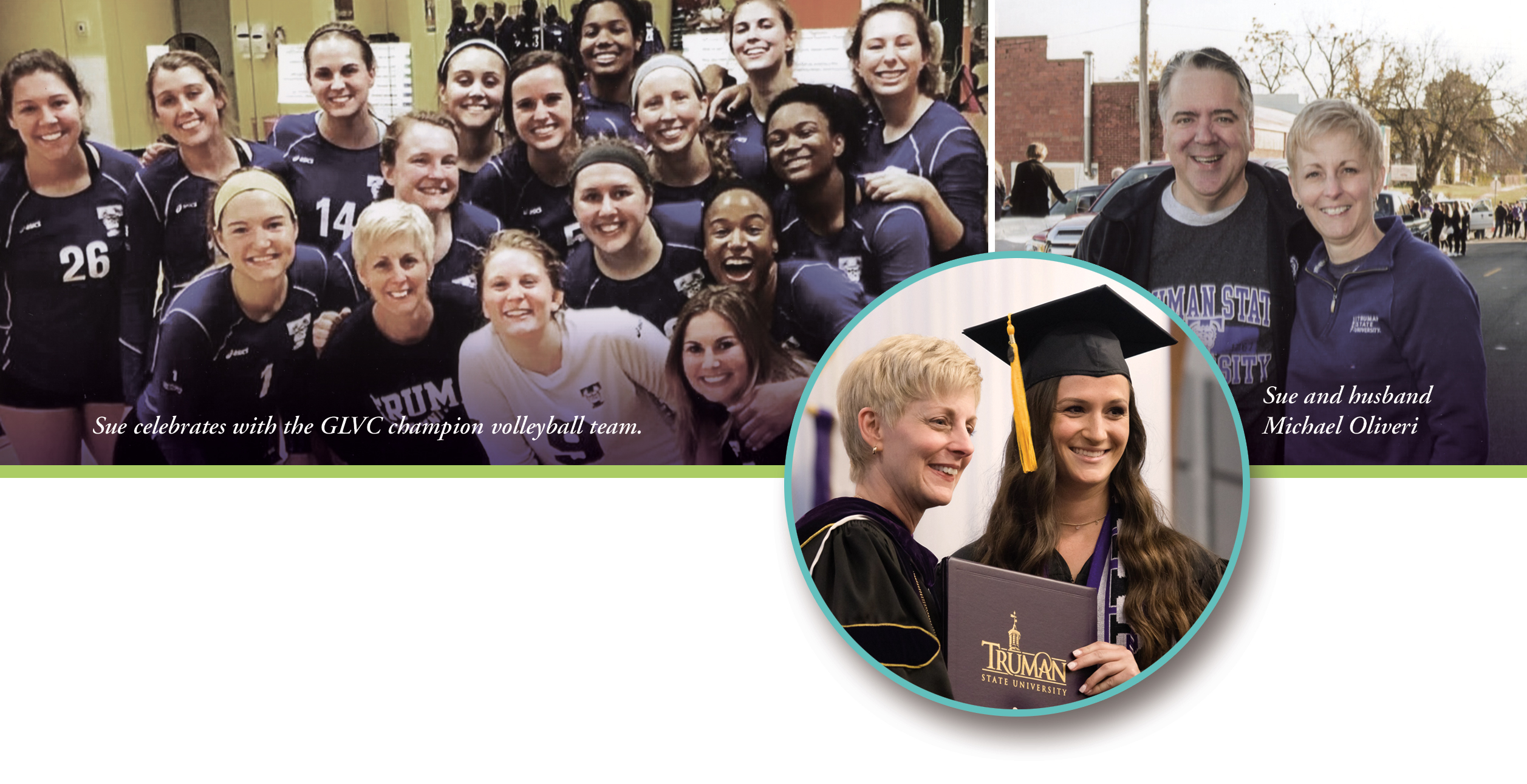
The next person to catch University President Sue Thomas with a panic-stricken look on her face will be the first. When she was thrown into an interim role last year, Thomas was, by her own admission, “a little freaked out,” but she never let it show. Truman’s 17th president carries herself with a combination of confidence and positivity that can be infectious, and it might be exactly what Truman needs right now.

In February, just days after learning she would be dropping the interim tag from her title, Thomas was informed of an 8 percent withholding in funding from the state for the remainder of the year, a reduction of more than $3.1 million. The forecast for the coming academic year is expected to include additional cuts, which could exceed $4 million. For a social psychologist with a research interest in grit, Thomas received an early opportunity to explore the concept firsthand.

“I’m motivated by challenges. I always want to feel like I’m making a positive difference, so challenges don’t scare me,” Thomas said. “We have a lot of bright, talented people on this campus, and we will figure it out.”

As president, Thomas has continually sought the input of various campus constituents, and strategic planning meetings comprised of faculty, staff and students were conducted throughout the spring semester to help the University forge a path forward.

The answer to how Thomas maintains optimism in the face of adversity can be traced back to her childhood in western Pennsylvania. The oldest of three daughters, she was essentially a first-generation college student, although her father did earn a degree after attending night school for a decade.

“My parents were always very clear from the time we were little that we were going to college,” she said. “That was just a given.”

While she may have had the encouragement of her family to pursue her education, financial support was lacking. Thomas was a Pell-eligible student, and she put herself through school by working and taking out loans. As responsible as she is for her own success, she is quick to credit others for helping her achieve her goals.

“Partly why I got here is because, every step along the way, people saw potential in me that I didn’t always see in myself,” she said.

Fortunately for Truman, one person who saw potential in Thomas was the interim provost at Southern Illinois University Edwardsville. Thomas worked there for more than 20 years and assumed she would spend her entire career at SIUE. At the recommendation of her colleague, she applied for Truman’s vacant executive vice president for academic affairs and provost position in 2014.

Two years after arriving on campus, Thomas was moving into the big office in McClain Hall. Upbeat and unassuming, she has stayed true to her roots, even as her campus profile has elevated. She prefers to be addressed as Sue, and no one is more humbled by the gravity of her position than she is.

“My upbringing allowed me to be very grounded, so I take nothing for granted,” she said. “I’m not big on perks. I just don’t have that mindset. I’m in awe of where I’ve ended up because I don’t think anybody, including me, would have predicted I would be the president of a university.”

Her humility does not mean Thomas is not up for the challenges on the horizon. While she would rather not be dealing with issues like millions of dollars in lost funding, she understands every cloud has a silver lining.

“It gives us the opportunity to look at things in different ways, clearly define who we are and where we are going,” she said. “Truman really does have an opportunity to be a national leader by showing that a liberal arts and sciences education is the education for the 21st century.”

Her own experience with the liberal arts has equipped Thomas to lead that endeavor. She chose to attend Allegheny College in Meadville, Pa., primarily because she was looking for a small-school experience after graduating with a high school class comprised of more than 1,100 students. She may not have selected Allegheny for the liberal arts, but the experience strongly resonated with her, and she is now in a position to be the person investing in others and assisting them to reach their potential.

“I like helping people be as successful as they can possibly be,” she said. “A university must be a place where you can achieve more than you ever imagined, and you are positively transformed by your college experiences.”

Sue Thomas … 101

Hometown
Penn Hills, Pa.

Education
Allegheny College
Bachelor of Arts: Psychology

University of Missouri-Columbia
Master of Arts: Social Psychology
Master of Business Administration
Ph.D.: Social Psychology

Sue Thomas … 102

Career Highlights
Truman State University
President, March 2017 –
Interim President, July 2016 – February 2017
Executive Vice President for Academic Affairs and Provost, 2014-16

Southern Illinois University Edwardsville
Associate Provost for Academic Planning and Program Development, 2007-14
Assistant Provost for Planning, 2005-07

Family
Michael Oliveri, Ph.D., husband
Sam, son
Annie, daughter


Save

Save

Acknowledging the Past, Pursuing the Future

In 1867, classes at the North Missouri Normal School and Commercial College started on the first Monday in September. There was no outrage about beginning on a traditional three-day weekend, probably because Labor Day would not become a federal holiday for another 27 years. If the weather was particularly warm, as summer days in Missouri are known to be, those same students could not even cool off with an ice cold Coca-Cola, seeing as how that company did not start on the path to becoming one of the world’s most recognizable brands until 1886. Regardless of how the 144 students arrived in town, it surely was not by car since America’s first automobile manufacturer, the Duryea Motor Wagon Company, was more than two decades away from opening its doors.
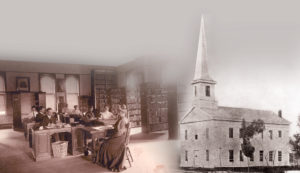
The University has been around longer than many of the amenities taken for granted today. Current students might shudder at the thought of something as archaic as dial-up internet access, but when the inaugural class came to campus Alexander Graham Bell was still nine years off from securing the first telephone patent. As the University prepares to celebrate its 150th anniversary, it is important to understand the historical context of the achievement and equally significant to realize sustained success is the result of generations of hard work and sound stewardship. In a century and a half, the University has grown from a small normal school, dedicated solely to teacher education, into a nationally renowned institution with alumni scattered across the globe. A common proverb for excellence is to note something is “the greatest thing since sliced bread,” but even referencing that American staple, which hit the shelves in 1928, fails to properly capture the grandeur of the University.

Joseph Baldwin’s Series of Fortunate Events
The first thing to keep in mind when considering the long and lustrous history of the University is to understand it almost never happened. Without the help of a few serendipitous events, there would be no milestone to celebrate.
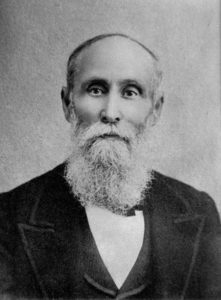
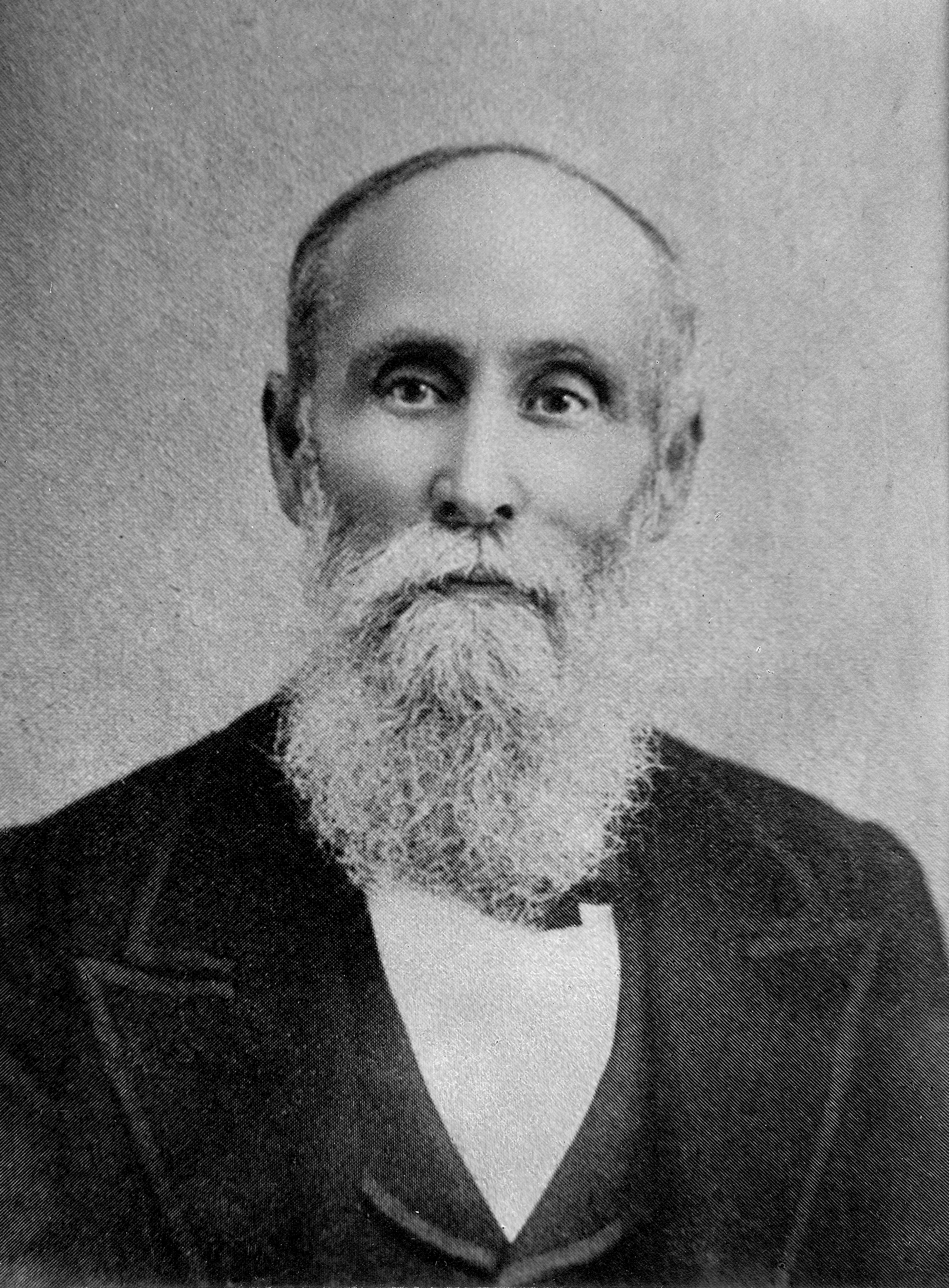
Joseph Baldwin was a native of Pennsylvania who taught in Missouri after receiving his bachelor’s degree. By 1866 he was the president of a seminary school in Indiana, but felt compelled to start his own institution. During his previous stint in the Show-Me State, Baldwin helped create the Missouri State Teachers Association. Through connections with state educational and political leaders, and at the urging of a family member who happened to live in town, Baldwin was encouraged to establish his school in Kirksville.

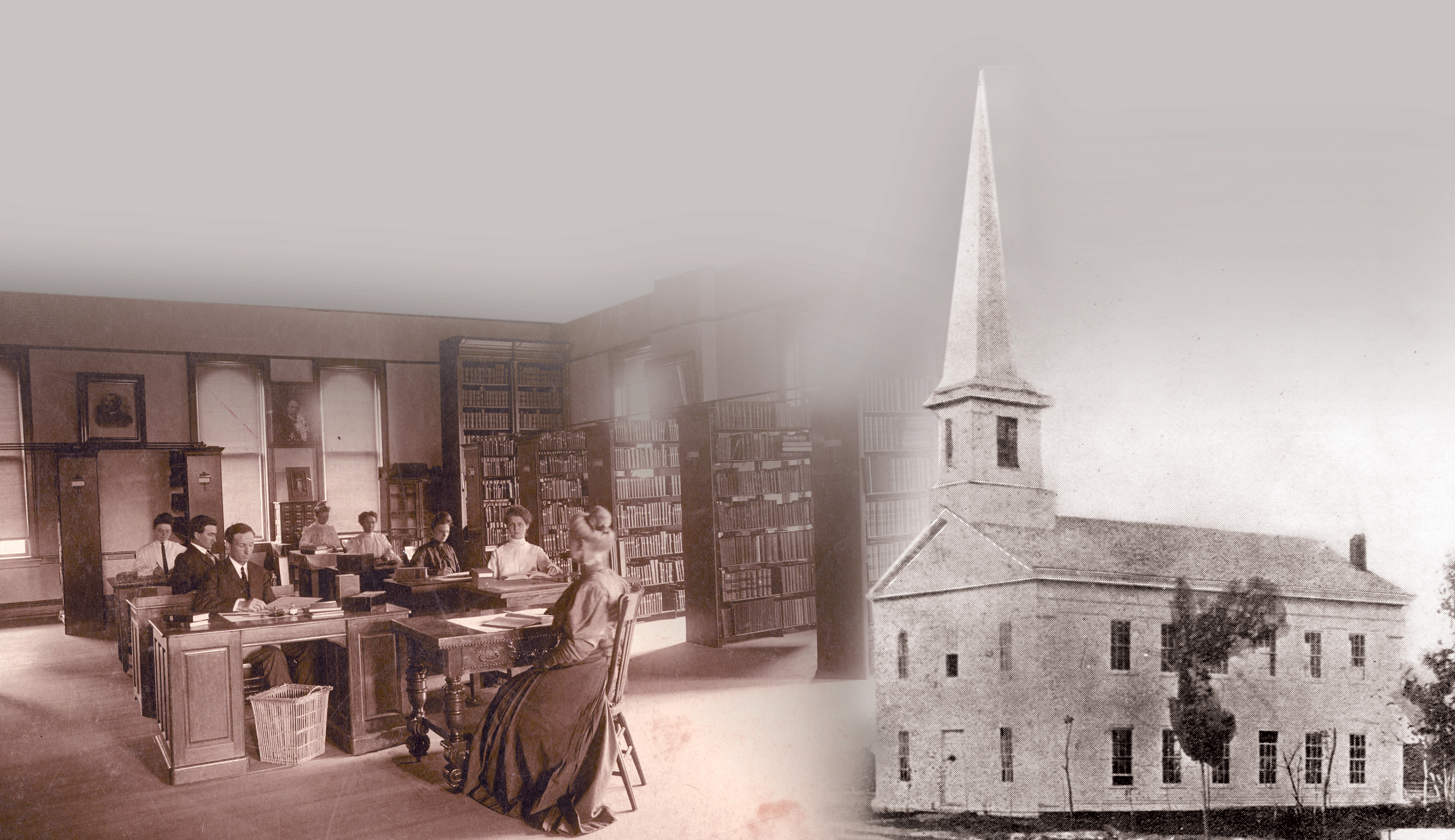
The final piece of the puzzle came as the result of another school’s misfortune. The Cumberland Academy was only open for about a year before going under in 1861. A second attempt to revive it was cut short when the Battle of Kirksville forced its closure on Aug. 6, 1862. Various churches made use of the building during the next several years, but it was not until Baldwin arrived in 1867 that it would again be used as a school.

Had the building not been available, or had Baldwin previously taught in another state, or his family member not moved to the area, Sept. 2, 1867 would be just another day in the history of Kirksville. Instead, it marks the beginning of an educational movement that has gotten stronger during the past 150 years.

A School By Any Other Name …
The quickest way to start a rift among alumni is to call the University by the “wrong” name. Since its inception, the proper name of the school has changed seven times. On average, that would be a name change about every 21 years, but some of the monikers were short lived. In just the second year, the name was abbreviated to simply North Missouri Normal School, which only lasted two years. The next designation, Missouri State Normal School of the First District, currently holds the record for the longest lasting handle at 49 years, narrowly beating out its successor, Northeast Missouri State Teachers College, which reigned for 48 years. Even though it is second in the record books, that era ranks first in the hearts of many alumni. Ironically, they refer to it as yet another name. For a certain generation, the school was and forever will be Kirksville State Teachers College.

“Even though KSTC was not an official University name, it was the University nickname adopted by many alumni from the 1920s through the 1960s,” said Denise Smith, director of alumni relations.

Yearbooks from the time display pictures of cheerleader sweaters and letterman jackets emblazoned with only an oversized K to acknowledge their allegiance, and many alumni still hold that alias in the highest regard. A walk down Franklin Street during the annual Homecoming parade will reveal more than a few KSTC sweatshirts and jackets.

When Truman State University became official in 1996 there was another period of adjustment since many had become accustomed to NMSU during the previous 24 years. The name was selected as an homage to the only Missourian to serve as president of the United States. Although Harry Truman had no significant ties to the University, let alone a degree from any college, he was a proponent of lifelong learning and public service. By all accounts, he would have embraced the spirit of the University’s vision statement to develop citizen-leaders committed to service, and the school’s association with him has come to be widely accepted as an appropriate tribute.

The Times They Are A-Changin’
The name is hardly the only thing to change at Truman in past 150 years. If not for alumnus and author Basil Brewer writing a school song entitled “The Purple and the White” in 1902, the University may have never adopted those colors. He was later rewarded with the naming of Brewer Hall in his honor, which hopefully lessened the blow when professor Gail Albright penned “Hail to the Bulldogs!” in 1974, a more popular song which is still played at University sporting events.

Alumni are constantly reminded attending the University makes them a “Bulldog Forever,” but the mascot was not forever a bulldog. Embraced in 1915, the bulldog has been associated with the University for a little more than two-thirds of the school’s existence, but it is difficult to imagine otherwise.
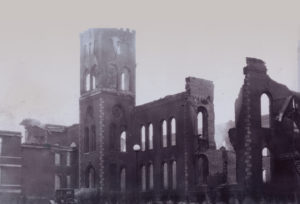
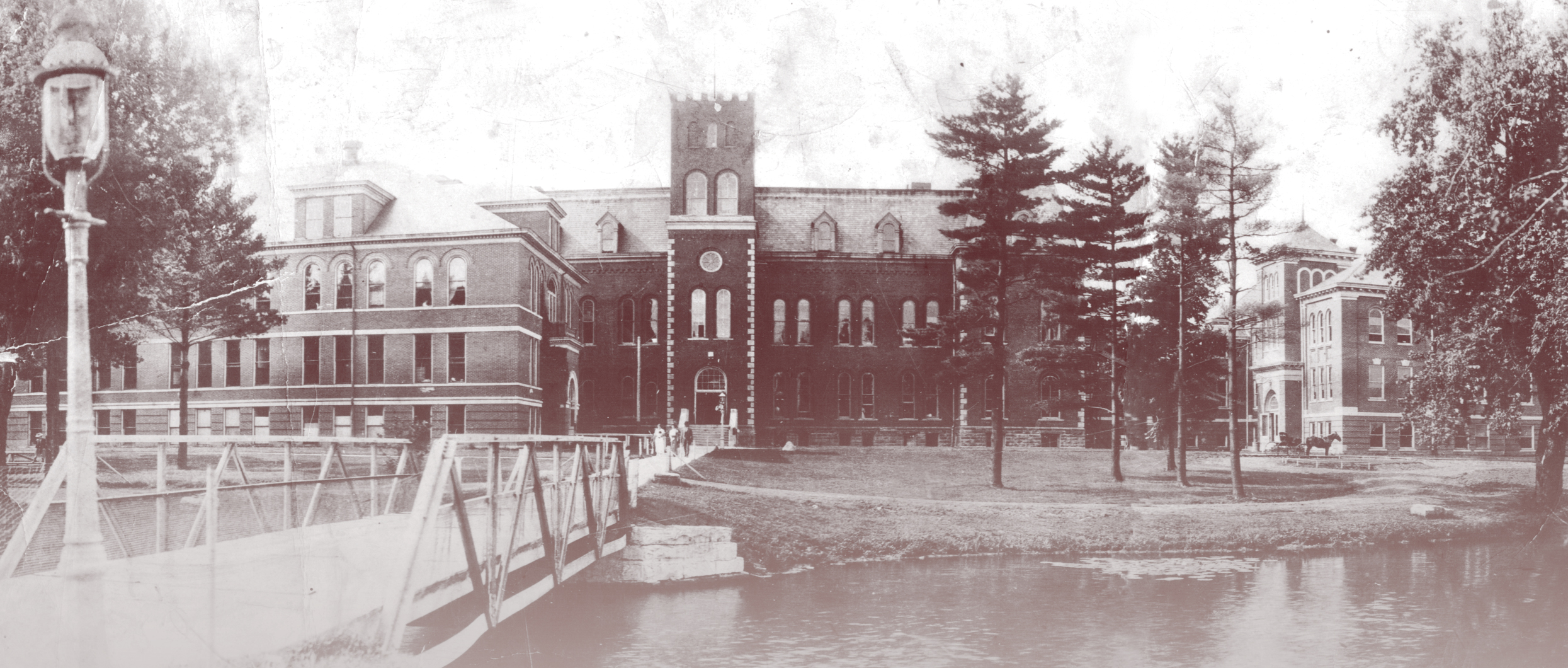
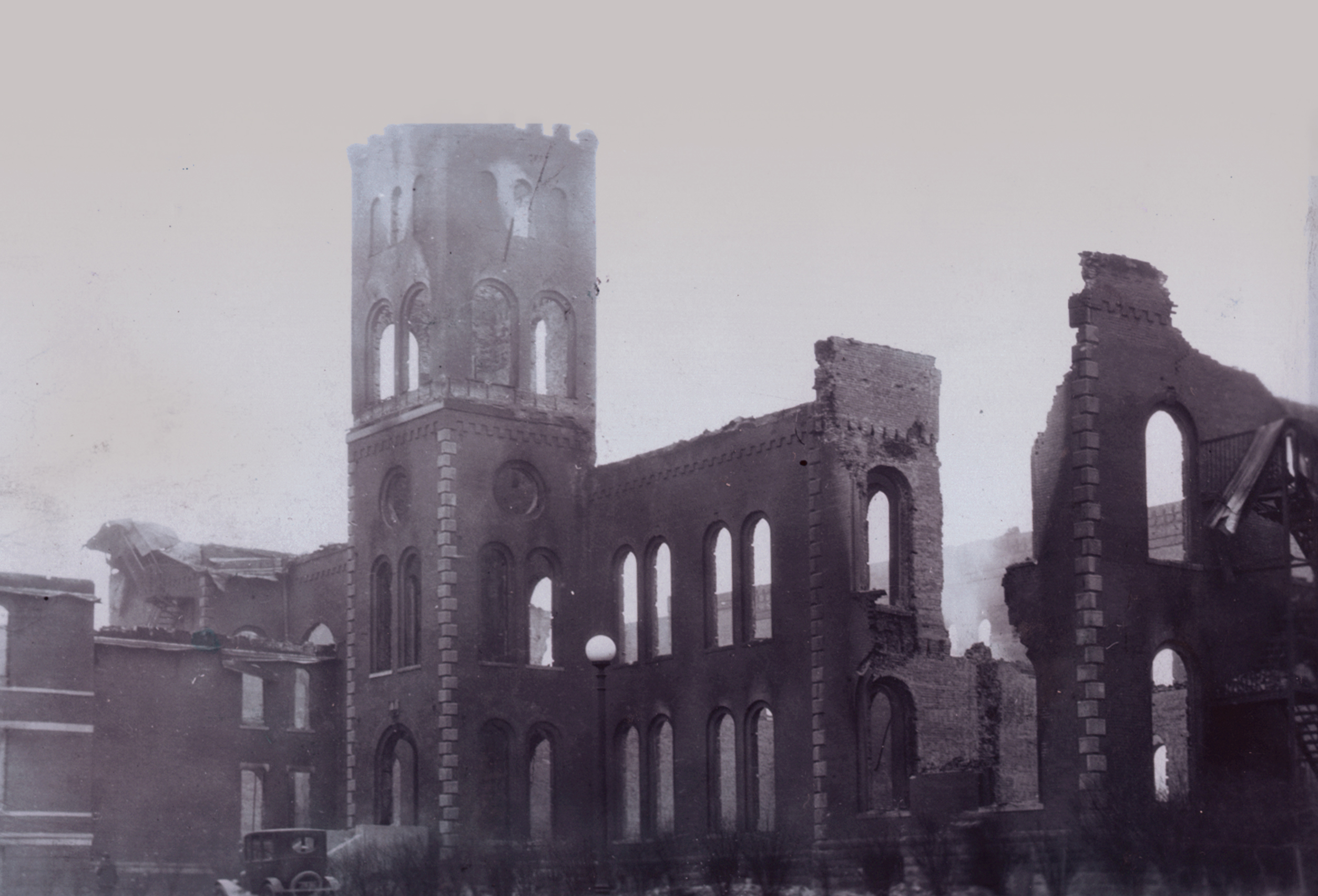
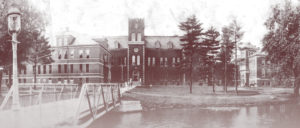
Even the physical aspects of the University have changed, sometimes drastically and at a moment’s notice. As beautiful as campus is today, some would argue it was at its peak nearly 100 years ago. After leaving the Cumberland Academy and establishing roots at the University’s current location, Old Baldwin Hall was the first structure to be completed. It sat behind a picturesque lake, and for nearly 30 years it was the only building. When a fire ravaged campus in 1924, the lake was emptied to put out the blaze. From that disaster, some of the bedrocks of the modern campus came into being. The drained lake made way for the area now known as the Quad. The footprint of Old Baldwin Hall became the Sunken Garden, and Kirk Memorial was established on the site of the scorched building’s tower.
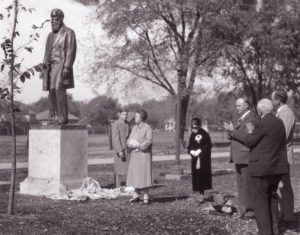
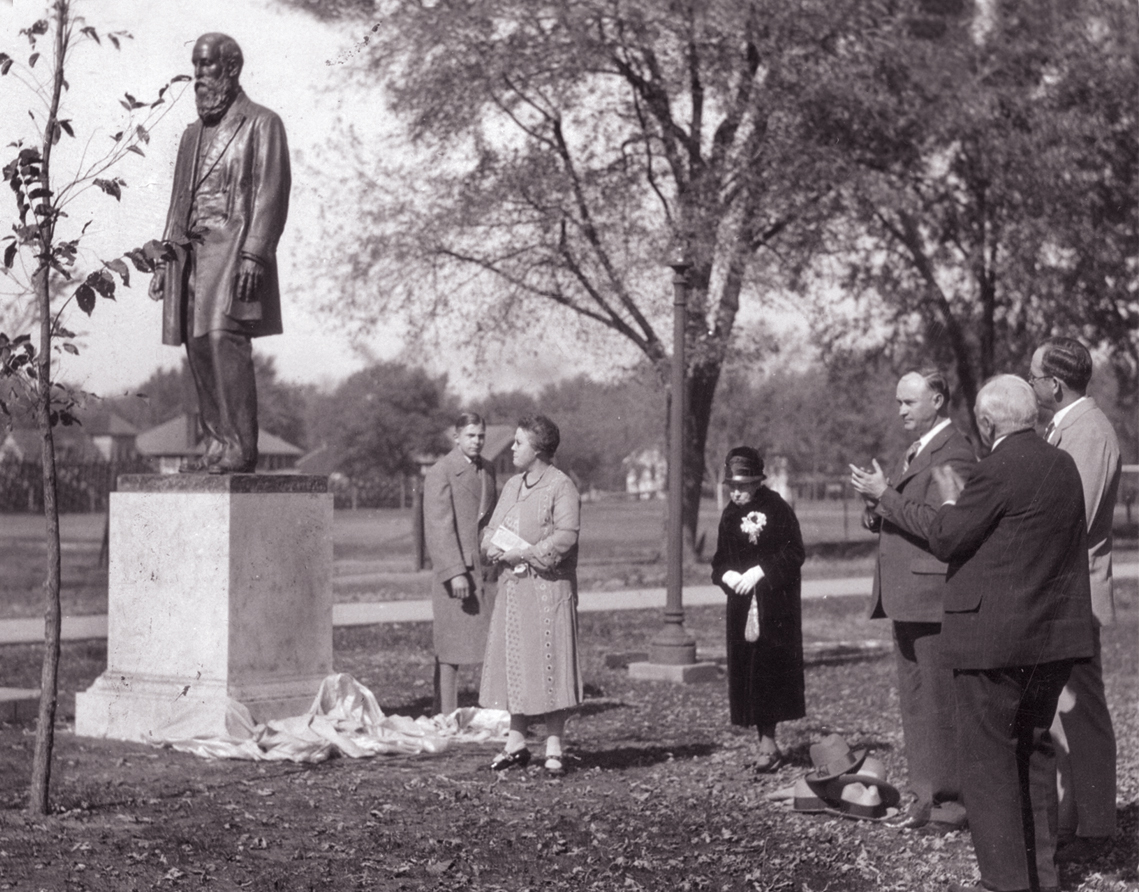
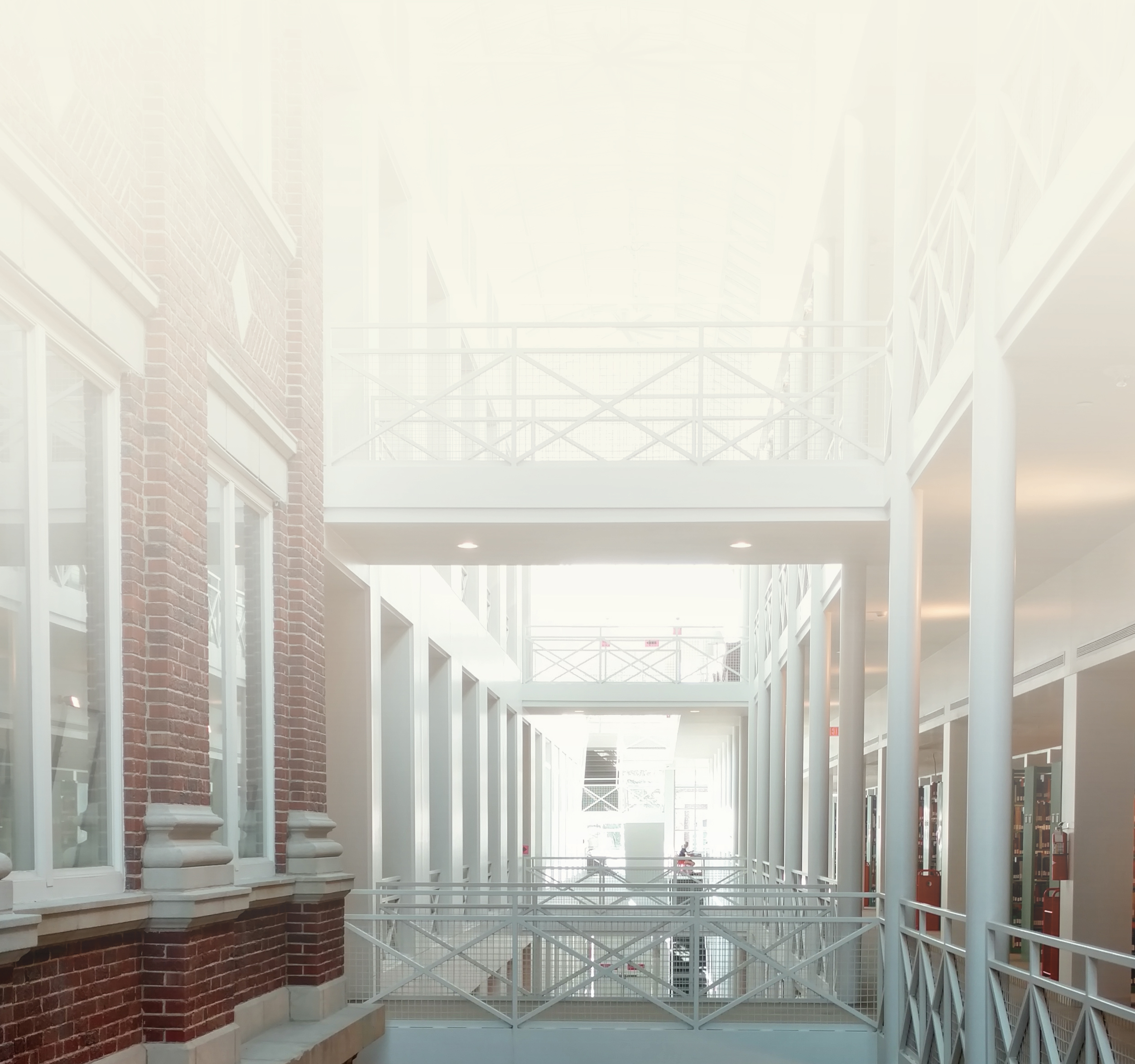
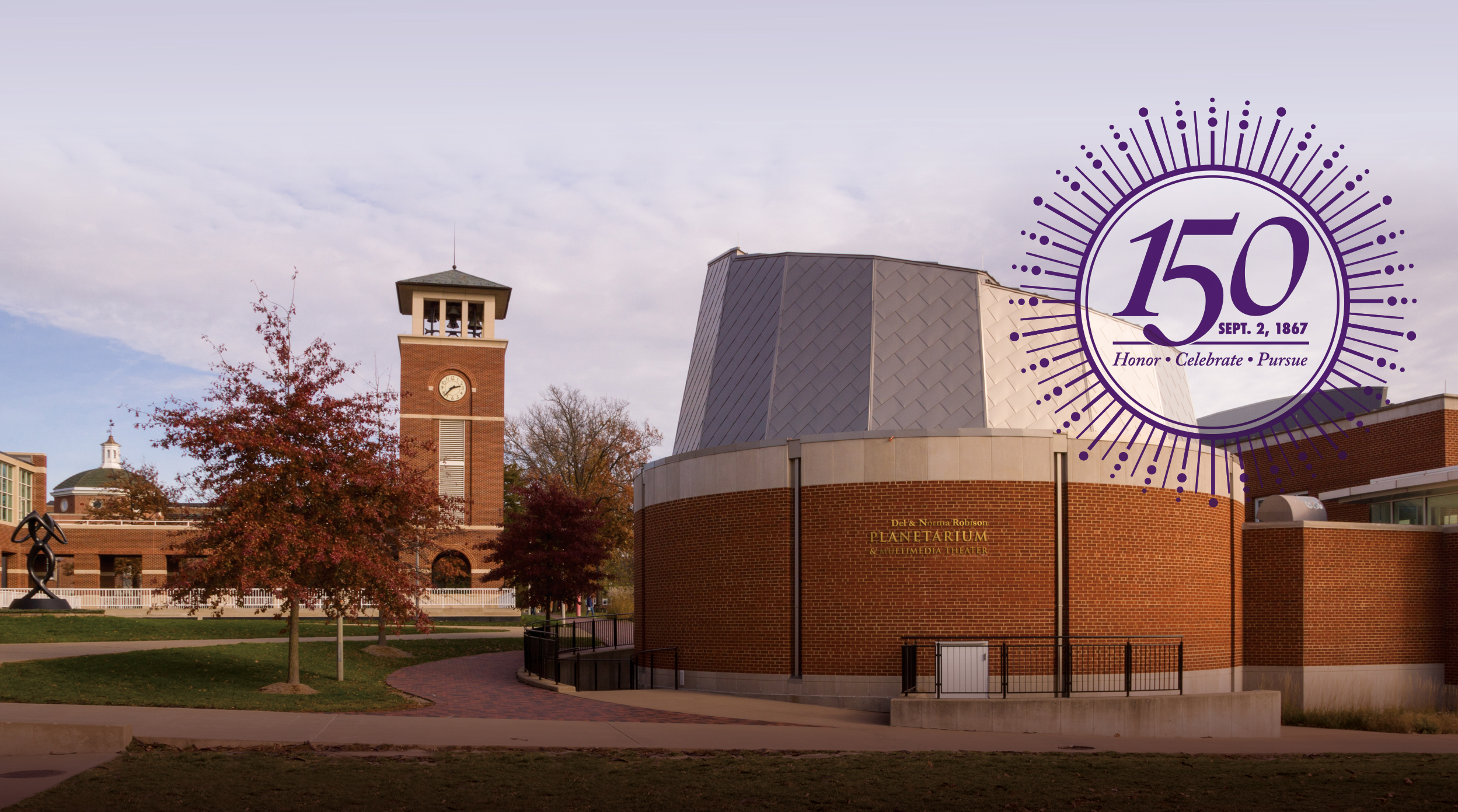
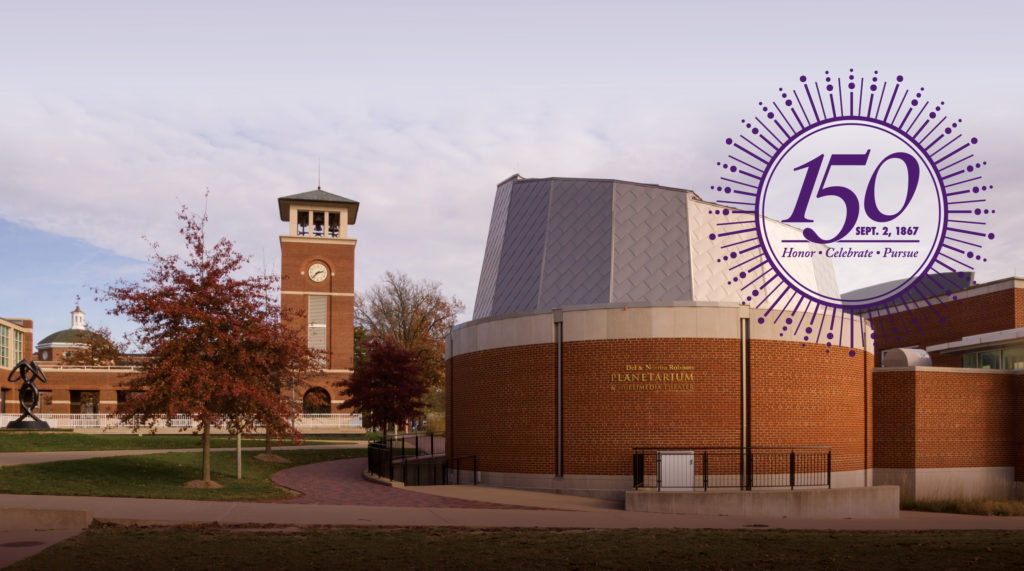
In the time since Old Baldwin Hall was alone on campus, several buildings and landmarks have been established. Some structures were purely decorative or commemorative, like the statue of Joseph Baldwin, erected in 1927 to celebrate his 100th birthday, or the Bell Wall, dedicated in 1967 as part of the University’s centennial celebration. The iconic clock tower, now synonymous with Truman to a generation of students and alumni, was installed just 25 years ago. A few buildings have come and gone, but many remain with long histories intact. In some instances, renovations brought new life, and since the redesign of Pickler Memorial Library in the early 1990s, many of the updates have incorporated contemporary additions with existing structures — the old and the new coming together to both acknowledge the past while allowing for functionality in the future.

The Next 150 Years
Most of the University’s history remains rooted in teacher education. Additional programs were not added until 1968, and though that break from tradition may have seemed strange at the time, it was essential for the survival of the school.
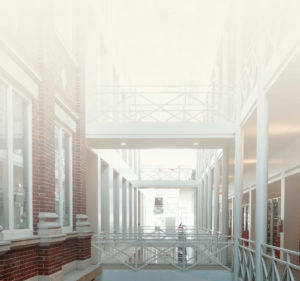
When the University mission changed, some programs were drastically altered or even eliminated in the late 1980s and early 1990s. Much like the choice to expand beyond teacher education, the changes were not always popular at the time. The difficult decisions made during the transition did ultimately bear fruit, proof of which can be seen in the accolades the University has continually piled up in the last 25 years. Regional recognition evolved into national rankings, and Truman has been hailed for a variety of reasons, including its emphasis on undergraduate education, the number of first-generation students enrolled, alumni who contribute to community service projects, and the success rates and earning potential of students 10 years after enrollment.

“For an institution to be around for 150 years, the institution has had to figure out not just how to survive, but how to thrive during ever-changing times,” University President Susan L. Thomas said. “Celebrating a sesquicentennial anniversary is a clear indication that Truman takes challenges head on. The University is willing to take a hard look at itself and make the strategic and thoughtful changes necessary to advance the institution.”

Change on a college campus may be gradual, but it is inevitable. To meet the challenges of the future, adjustments will surely need to be considered from any number of angles. Developments in society might influence student interest, and advancements in technology could alter trends in education in ways not yet known. If history is any indication, Truman will be ready for whatever comes next.

“It’s always scary to change, but we wouldn’t be the amazing University we are today if we hadn’t changed,” Thomas said. “By remaining deeply committed to meeting contemporary needs, we ensure Truman will remain a powerful educational force for the next 150 years.”

We are Truman and Northeast, and KSTC …
Part of the reason alumni and friends identify so resolutely with certain aspects of the University, like a name, building or program, is because for many, their time on campus was an intense, immersive experience. Students transform a lot in a relatively short period of time. The typical college experience is a four-year snapshot frozen in time. It is what makes reminiscing with classmates decades after graduation so enjoyable.

A look at the timeline of the University’s history shows an arc of purposeful growth, and every change implemented has been done in the interest of providing the best possible education to students. Each generation builds on the achievements of those that came before it, and the accomplishments of today’s students are due in part to the paths carved out by their predecessors. Any future evolution of the University is not an indictment of previous eras, but rather an endorsement of their successes and the next logical step in continuing to provide an education that prepares students to be good citizens and leaders. That is one thing that will never change.


Save