Archives

Foundation Celebration Recognizes the Impact of Private Support

The Foundation Celebration took place on campus, April 6.

Dr. Gail B. Crump (’64) and Dan (’79) and Jan (’76) Shepherd were honored with the prestigious President’s Leadership Award recognizing their many years of volunteerism and generous financial support of the University. Truman’s relationship with the Bayer Corporation was recognized through the Distinguished Corporation/Foundation Award. Guests were treated to student spotlights, which included incredible music performances and presentations from current students about their Truman experiences. Additionally, more than 100 alumni and friends were recognized as new members of the University’s prestigious giving societies.

For a listing of all of Truman’s giving societies, go to truman.edu/giving/societies.

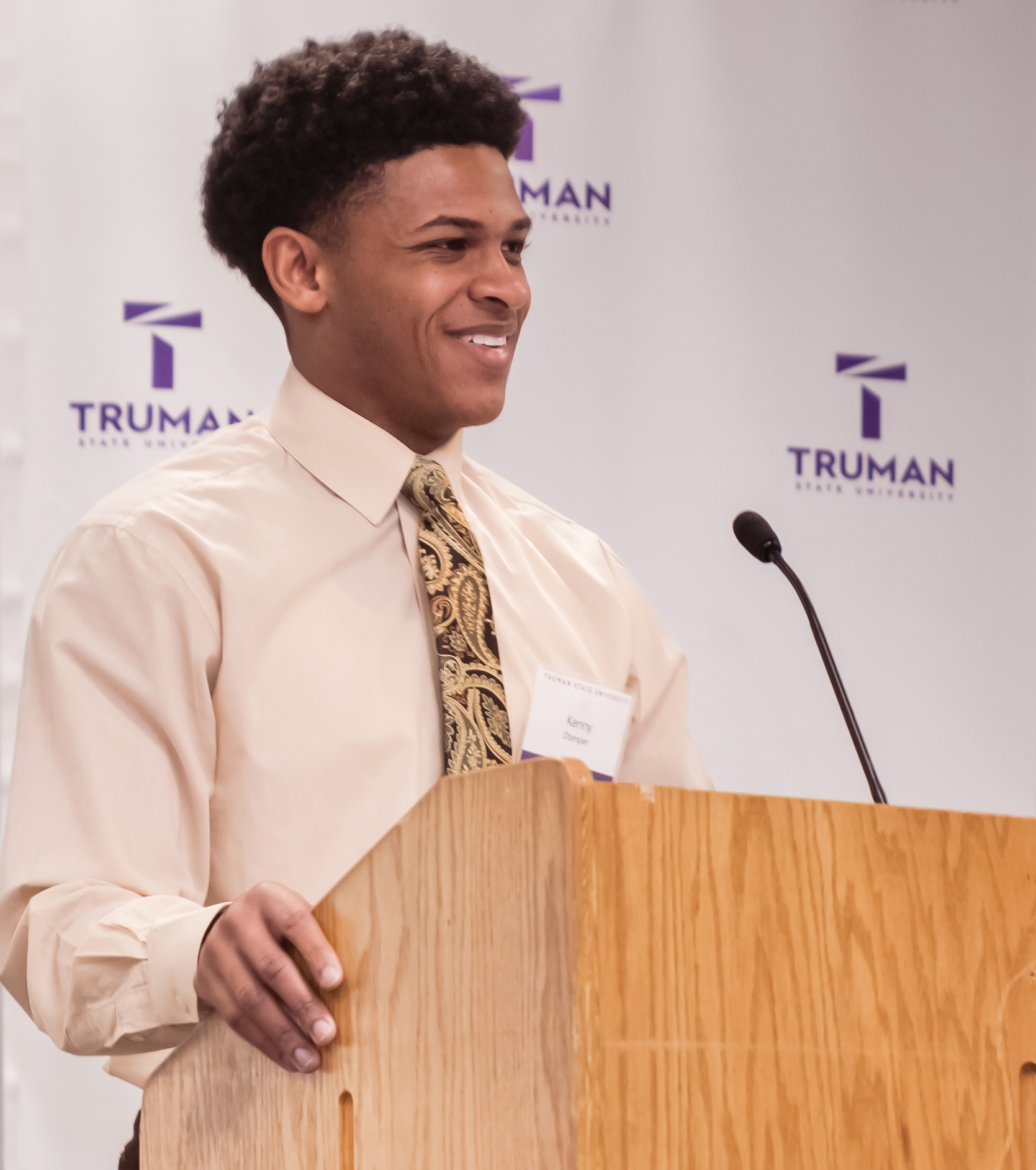
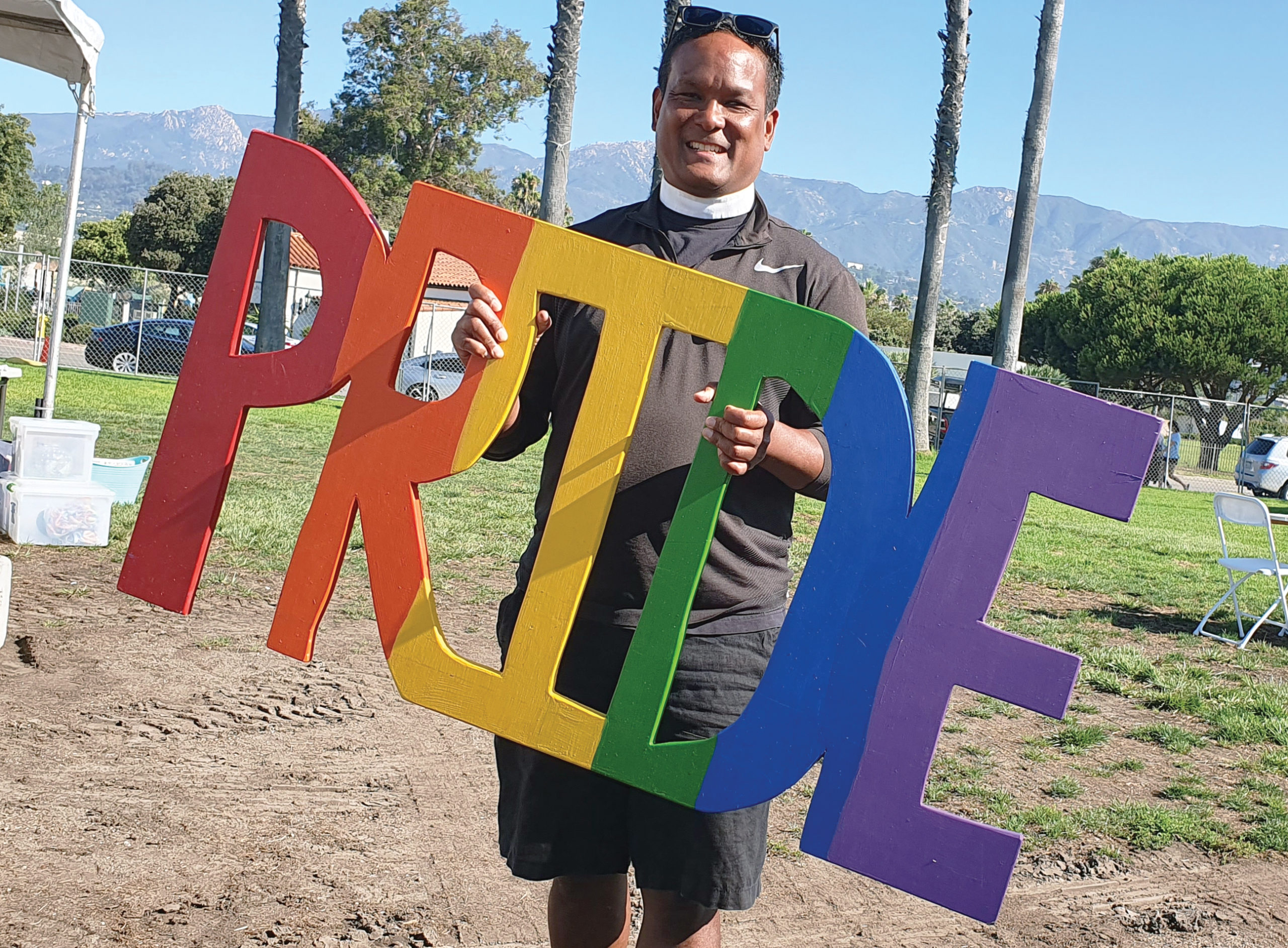
Kenny Damper speaks about his Truman experience.

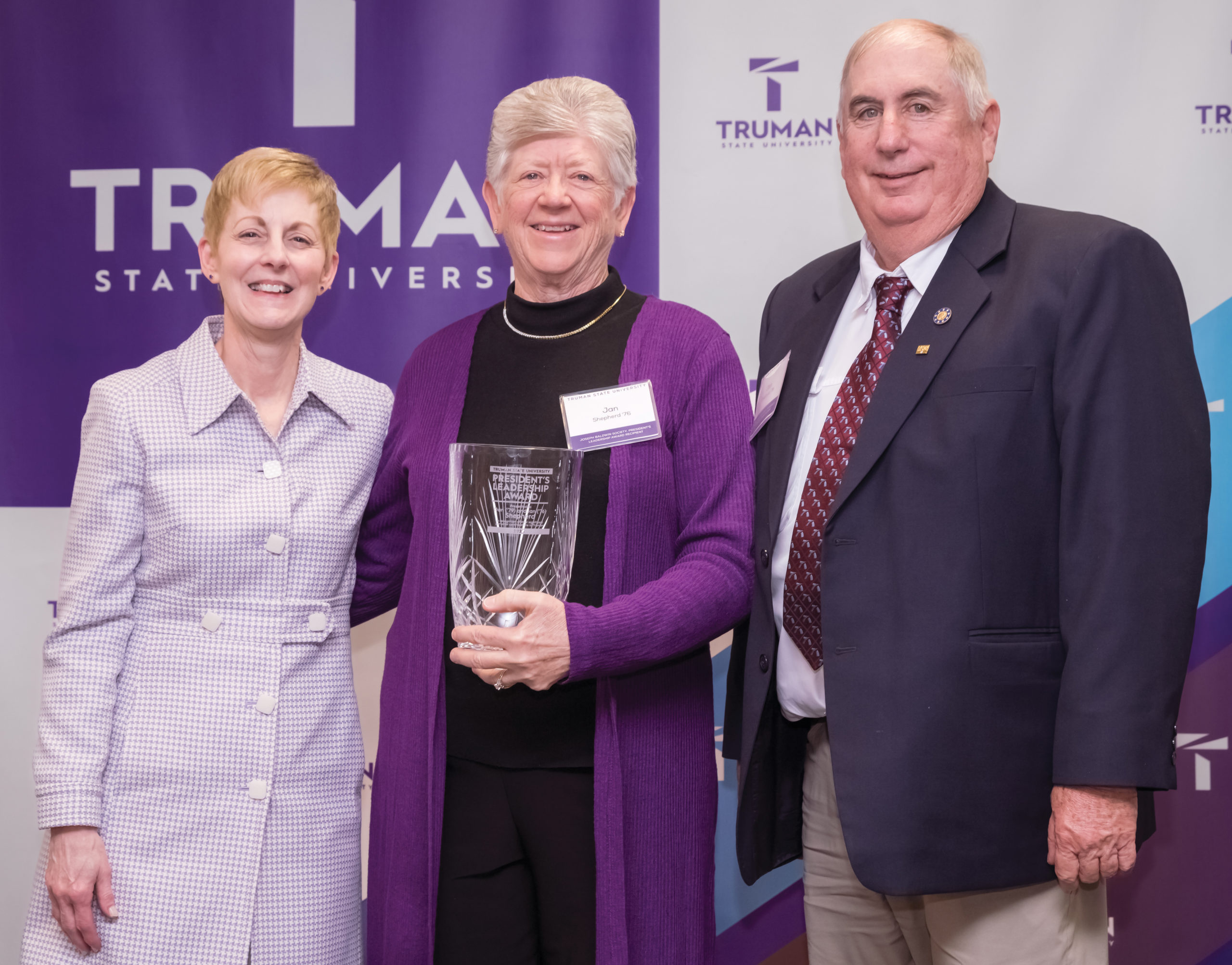
President Sue Thomas presents Jan (’76) and
Dan Shepherd (’79) with the President’s
Leadership Award.

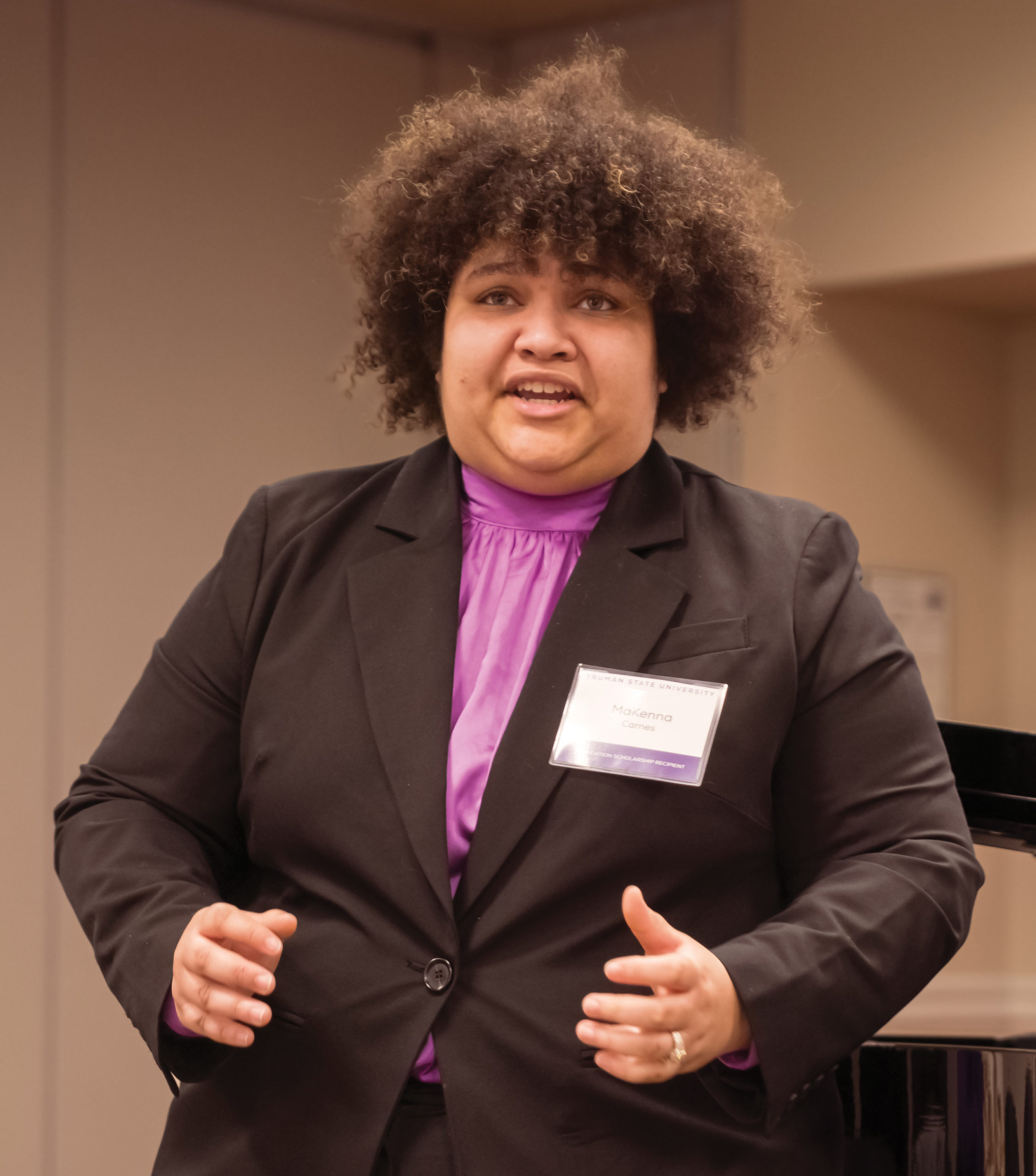
MaKenna Carnes sings during the event

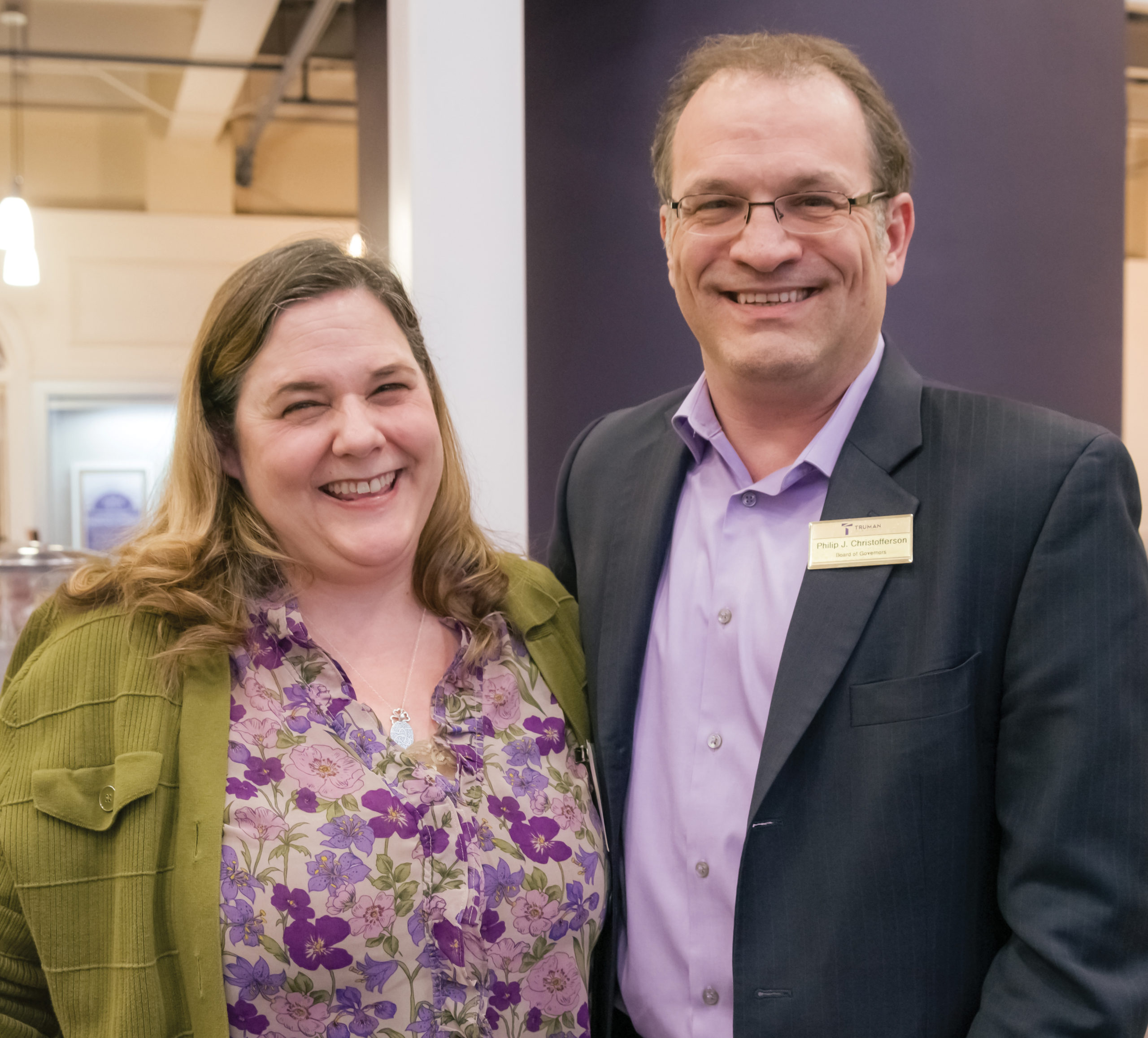
DeAnn Malone (’93) and Philip J. Christofferson (’95)

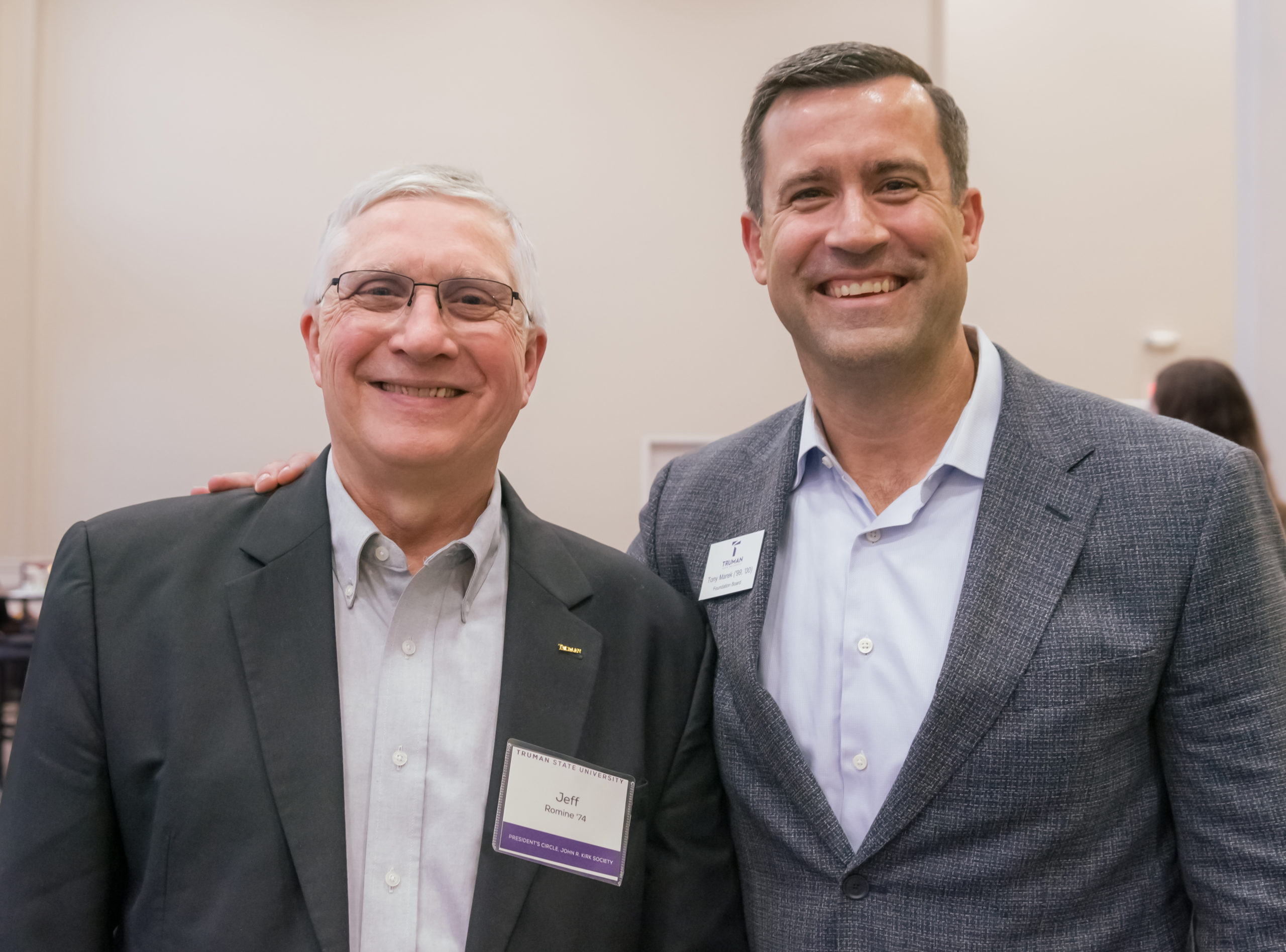
Jeff Romine (’74) and Tony Marek (’99, ’00)

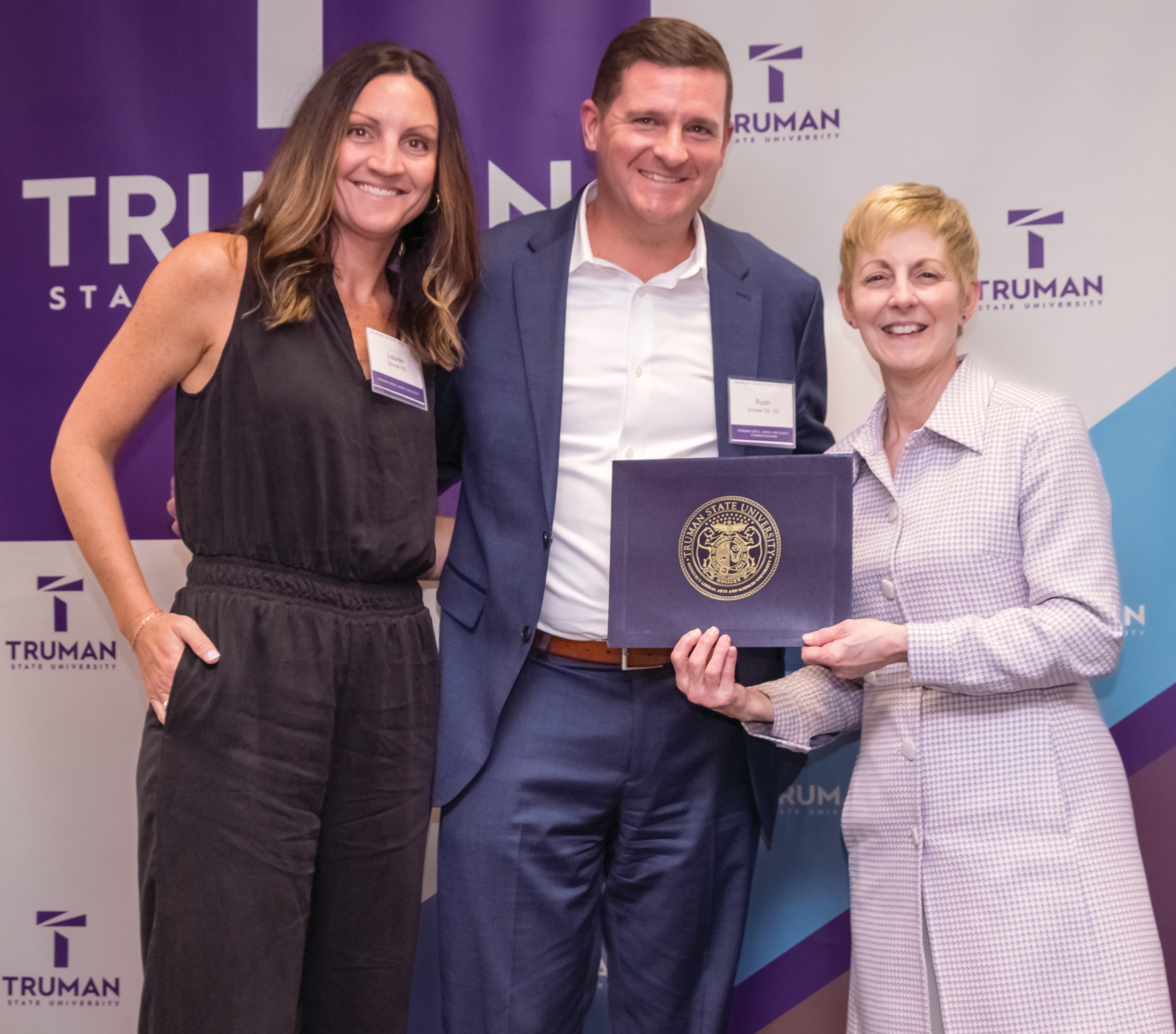
Lauren (’03) and Ryan Shreve (’02, ’03)
receive the Pershing Circle Certificate from President Sue Thomas

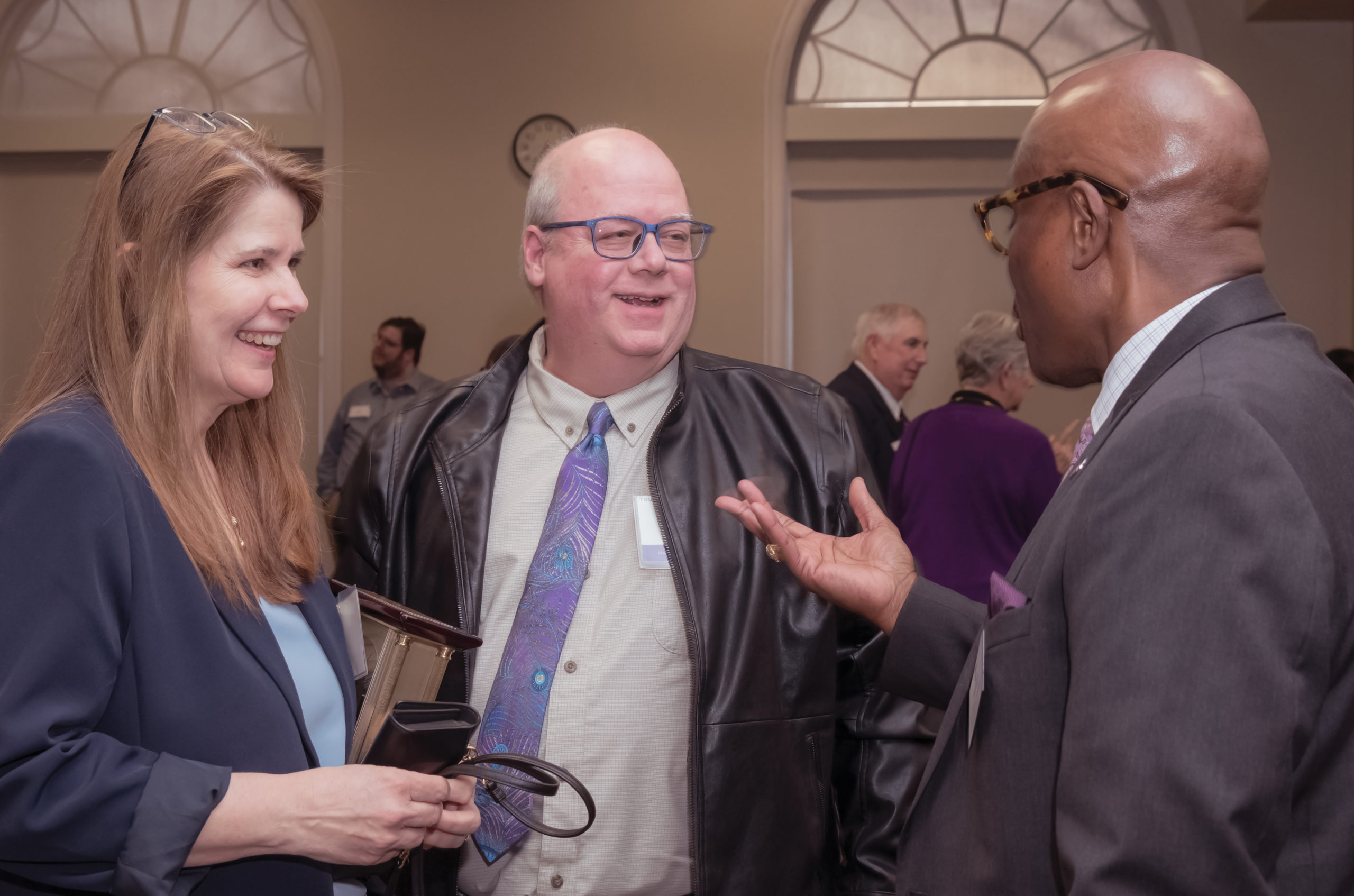
Deborah Henshaw, representing Bayer, and her husband Rick talk with Ernie Hughes, vice president for University advancement.

Bulldogs Turn Out in Support of Giving Week

Giving Week was April 22-26 in honor of National Bulldogs are Beautiful Day. As part of this exciting initiative, the University highlighted six special campaign areas and one Foundation Board Challenge.


Bertha Thomas Legacy Scholarship – This scholarship was established in 2023 to honor Thomas, former assistant dean of Multicultural Affairs, for her substantial contributions to students, campus and the Kirksville community. Floyd Simpson (’02) provided $3,000 for a 1:1 giving match.


Embedded Tutoring – This program, sponsored by the Center for Academic Excellence, places a tutor in select classrooms to assist student learning. Classes with embedded tutors have an increased overall GPA, and students self-report higher grades. An anonymous donor provided $3,000 for a 1:1 match.


Farm-to-Table Initiative Cindy Spiker (’93) and Michele Hoyne (’90) gave $4,300 for a 1:1 match for this new collaboration with the University Farm to bring healthy, fresh, organic produce and goods to the dining halls.


Forensics – A 1:1 match up to $5,000 was available through the generosity of Nishant Bhajaria (’03) to support the Truman Forensics Union in their travel and expenses for competitions. An additional $5,000 donation from an anonymous alumni couple was made for reaching the challenge goal of
50 donors to the effort.


Gregg Nesbitt Football Scholarship – Gifts honoring retired head coach Gregg Nesbitt (’80) were matched up to $10,000 through the generosity of McLeod Express, LLC owned by Mark “Mac” McLeod (’85).


Health and Exercise Sciences Experiential FundCalaneet Balas (’97) provided $12,500 through a 1:1 match for a fund that will allow health and exercise science students to participate in high-impact experiences in a wide variety of
off-campus settings.


Better – Because of You (Foundation Board Challenge) – To honor the way each donor makes Truman a better place, members of the Foundation Board
of Directors gave $15,000 for a 2:1 match to any Foundation fund.


BY THE NUMBERS:

Total raised – $133,329

299 donors

Average gift – $268.88

365 gifts

81 different funds supported

Reunion Services

There is no better way to connect to the University and to your affinity groups than to host an on-campus reunion. Reunion Services is a program designed to help groups interested in hosting on-campus reunions. Men’s basketball, forensics, Greek alumni and volleyball have all recently taken advantage of the resources available to plan successful events.

Interested in planning a reunion? Let us help secure locations, work with on-campus catering and promote your event through mass email and the Truman alumni website. We are also happy to provide Truman swag for attendees.

Learn more at truman.edu/alumni-donors/reunion-services.

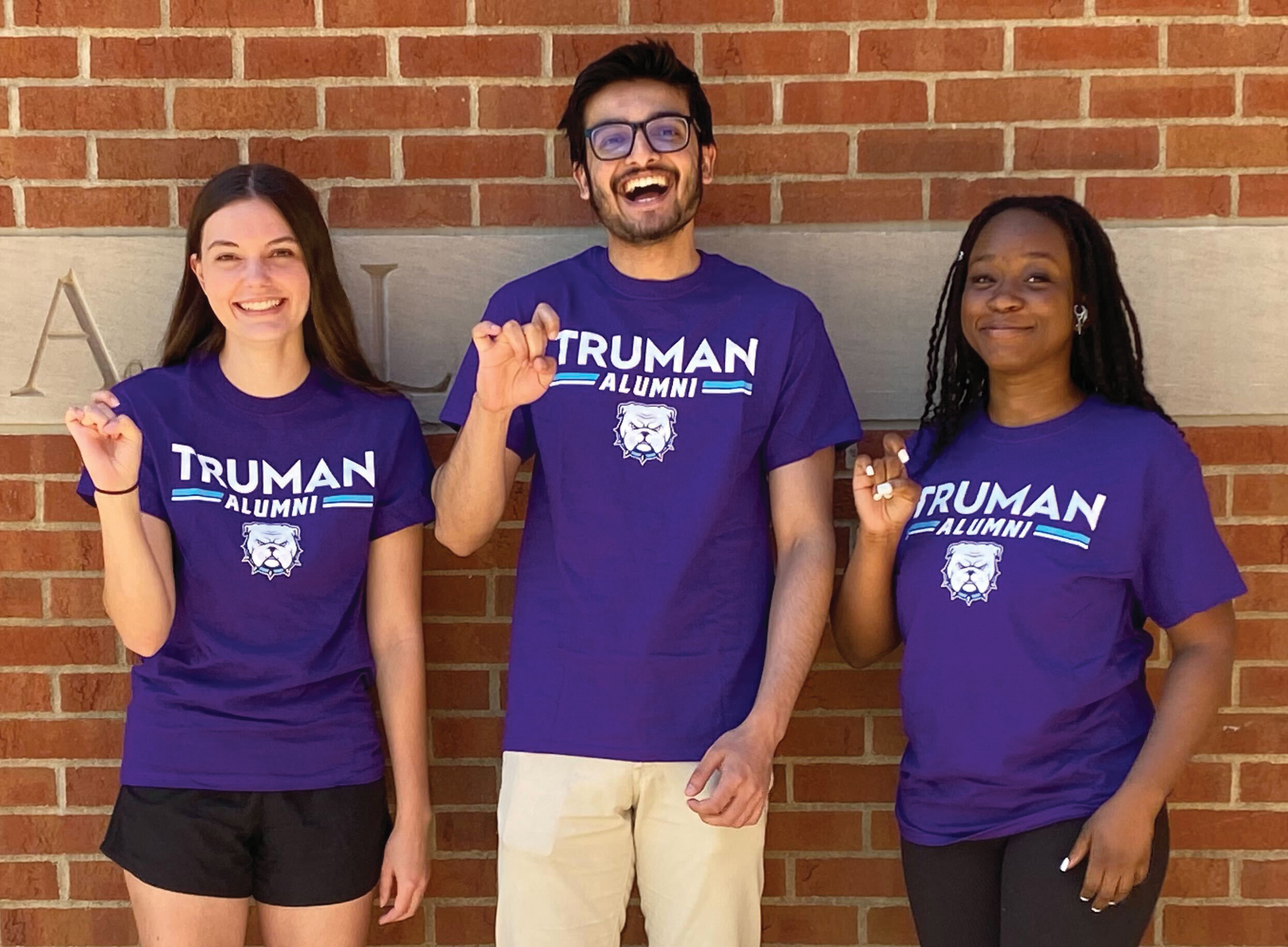
Alumni Association Presents New Graduates with Alumni Shirts

It’s a proud Bulldog tradition! Each year, the Alumni Association gives graduating students their first alumni shirt. This gift celebrates the graduates’ hard work and encourages them to hold on to their Bulldog spirit wherever life after graduation takes them. #BulldogForever

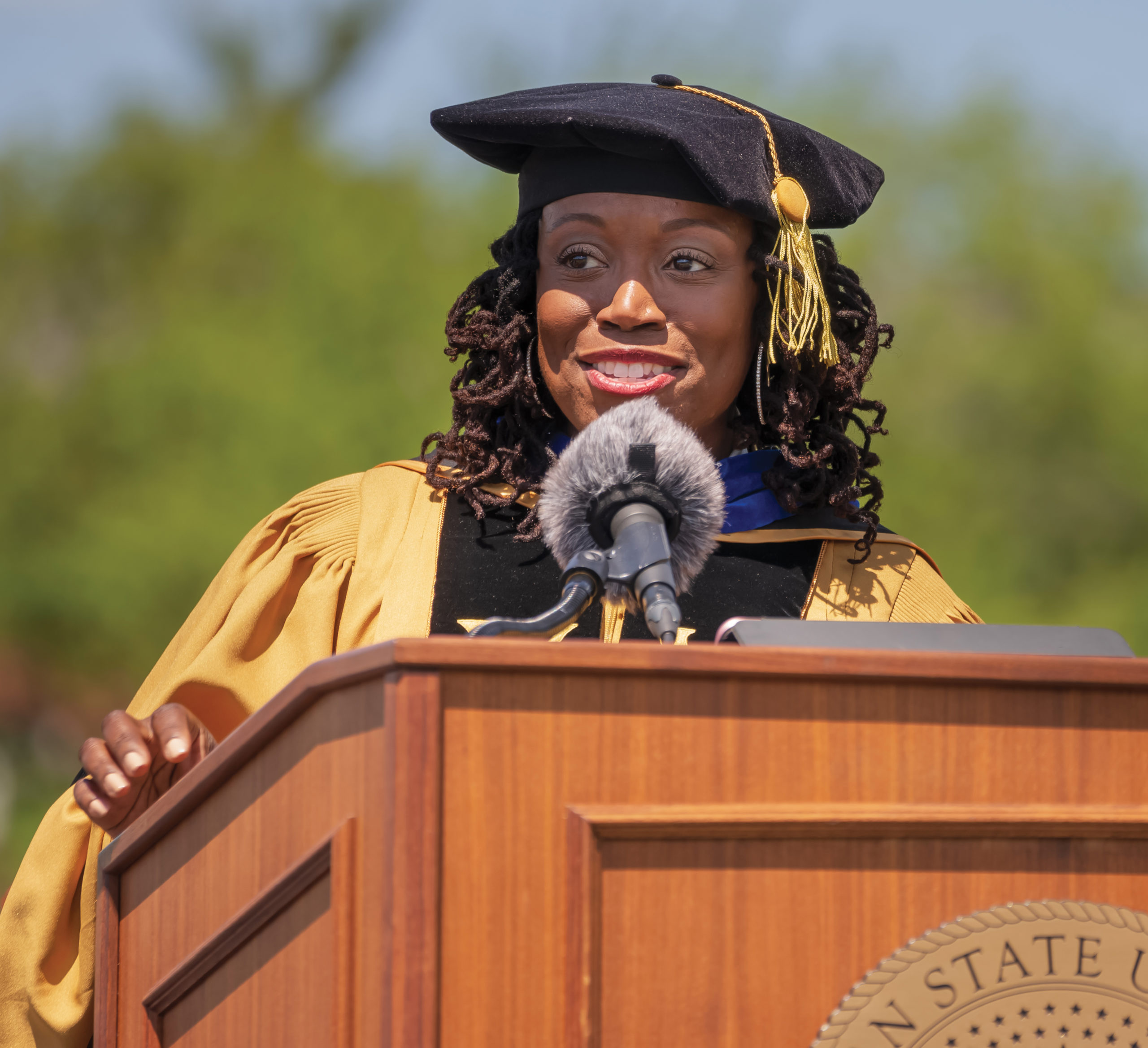
Alumna Returns to Deliver Commencement Address

Alumna Kia Noelle Johnson (’00) was the commencement speaker, May 11. Johnson, Ph.D., CCC-SLP, is director of the Atlanta satellite of The University of Texas at Austin’s Arthur M. Blank Center for Stuttering Education and Research, a clinical research institute with the mission to change the world for people who stutter. During her time at Truman, Johnson was involved with the Ronald E. McNair Scholar Postbaccalaureate Achievement Program and Alpha Kappa Alpha Sorority, Incorporated. She and her husband Deric Dejuan Johnson, a 2000 graduate, have three children, Sydney, Chase and Deric Josiah.

Family Tradition

Legacy Scholarships help support the next generation of Bulldogs

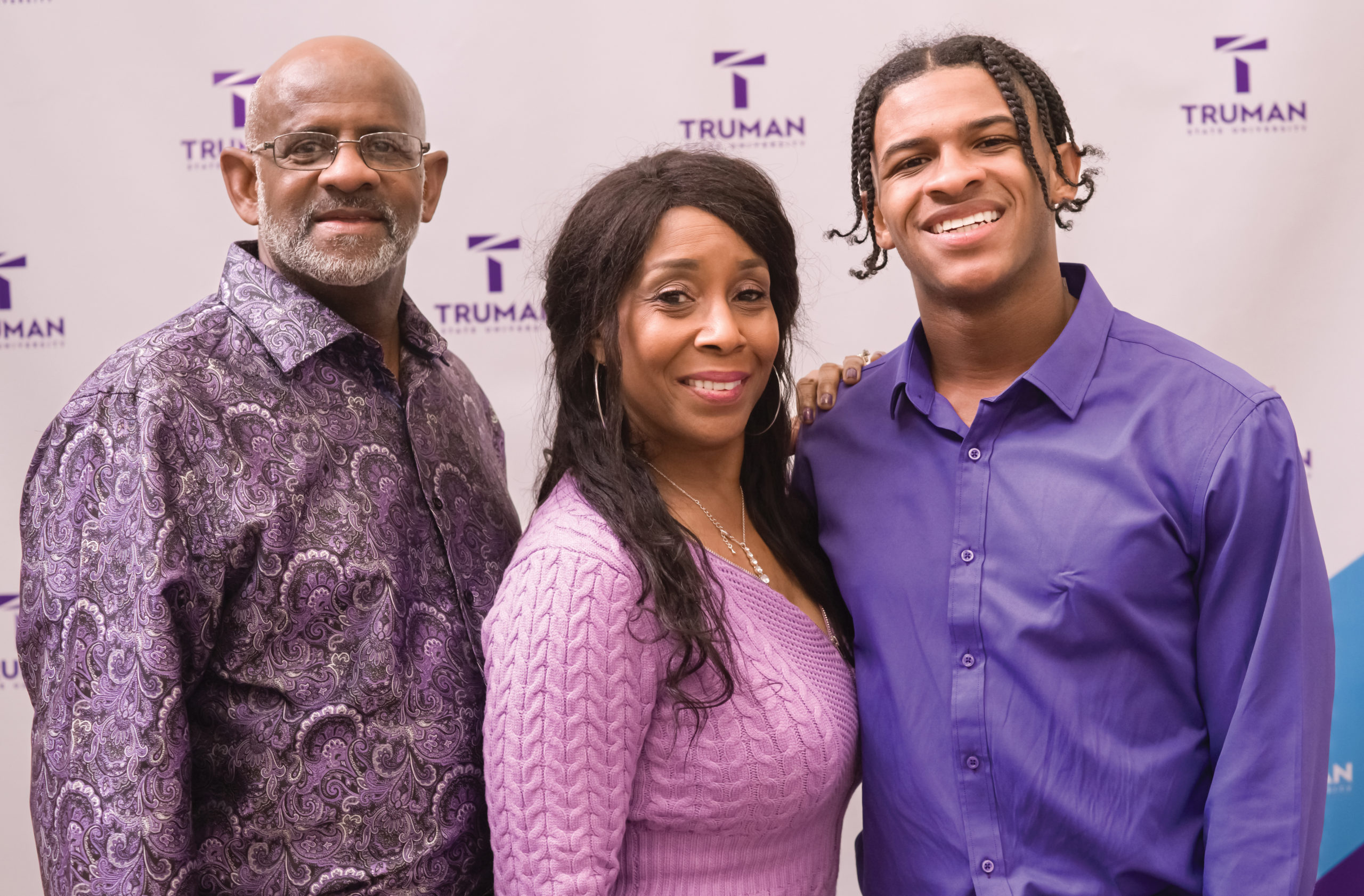
Left to right: Herb Damper (’80), Jocelyn Damper (’85) and Kenny Damper

Truman is more than a university, it becomes family. For many alumni, that’s not just figuratively true. Many families have a proud Truman tradition that includes multiple generations of Bulldogs or several siblings attending and graduating Truman. The commitment of these Bulldog Forever Families often spans decades and becomes a lasting and important part of Truman’s history.

The Damper family is a proud Bulldog Forever Family. Father Herb Damper graduated in 1980 with a degree in business administration, with mother Jocelyn completing a degree in recreation in 1985. Their son Kenny wasn’t initially planning on following in his parents’ footsteps in coming to Truman, but started as a student in 2020. As he completes his program in biology and prepares to go on for graduate work, he knows that he made the right decision. Truman exceeded his expectations and gave him hands-on experience in research that positioned him well to continue in his studies. He’s also had the chance to have a full interdisciplinary college experience, participating in many extracurricular activities and pursuing personal interests such as participating in jazz ensemble. 

One exciting benefit of multiple generations attending Truman is the Bulldog Legacy Scholarship. This automatic award supports students who have a parent, step-parent, grandparent or sibling who graduated Truman. It also applies for students who have a sibling currently enrolled at Truman. The scholarship is $1,000 for qualifying in-state students and $2,000 for qualifying students coming from out of state.

The Legacy Scholarship demonstrates Truman’s commitment to families whose histories are intertwined with Truman. The Alumni Association would love to hear from our Bulldog Forever Families. Tell your family’s story at advancement.truman.edu/register/BulldogForeverFamily. You can even share special pictures of your family and their time at Truman.

Chain Reaction

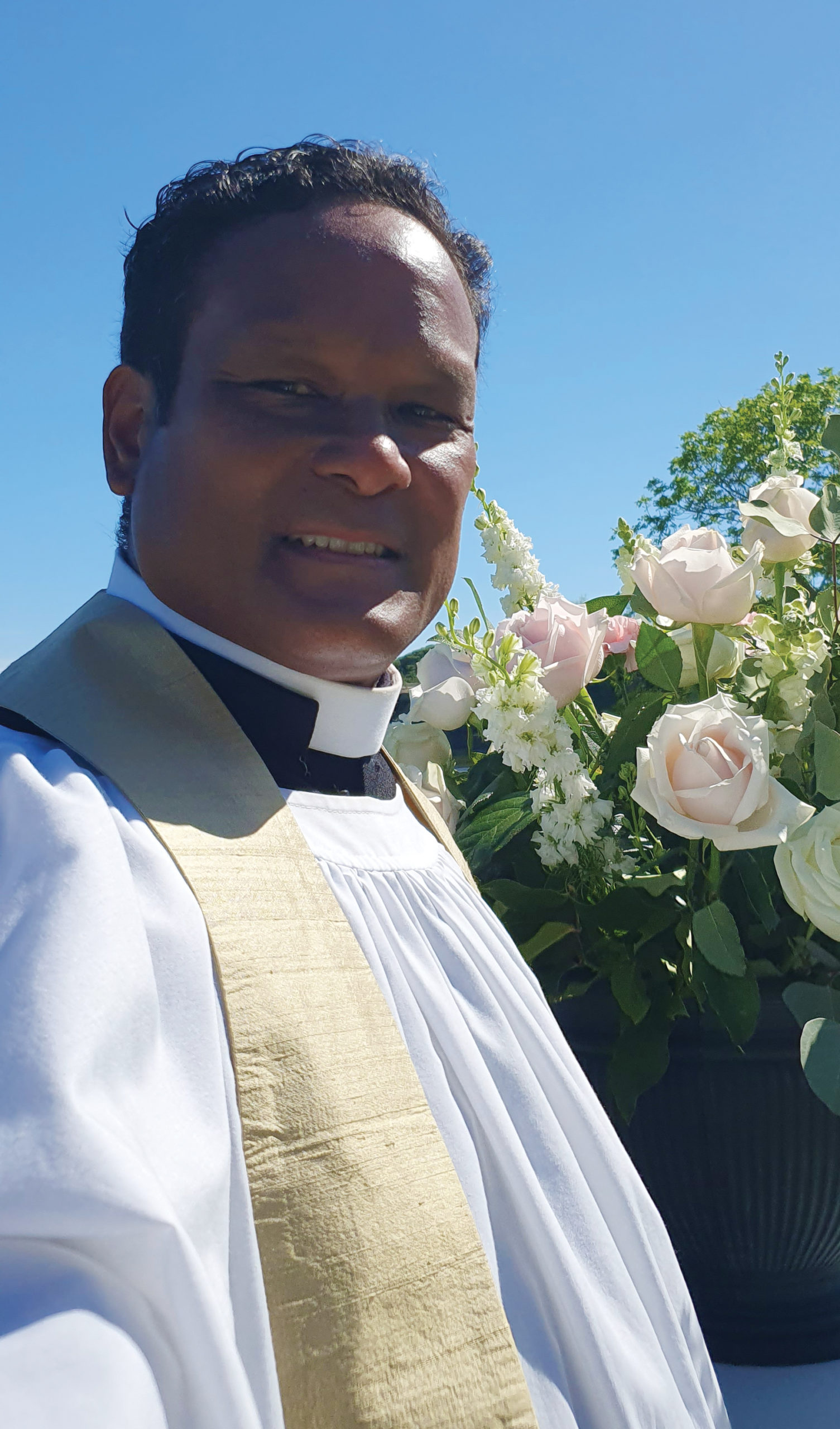
Ian Delinger found his true calling by following his heart and his faith.

It’s fair to say Ian Delinger (’92) has always been attuned to signs from the universe. He wanted to pursue a career in food science after watching a film in high school on quality control at the Hershey chocolate factory. Growing up, he split time between Hay Springs, Nebraska, and Santa Maria, California, and he planned to attend college out west before the universe gave him another sign in the form of an acceptance
from Truman.

“My entire childhood, my plan was to go to UC Santa Barbara, simply because I was born in Santa Barbara, and we lived not far away,” Delinger said. “That didn’t happen because of that letter that was waiting for me when I returned to Nebraska from California that end-of-summer, 1987. I would have gotten a fantastic education at UCSB, but I would have been lost in a large institution. The personal attention from all professors and an institution that is genuinely concerned about you reaching your full potential are things no 18-year-old realizes the value of until they get it.”

Because of his academic aptitude, Delinger was offered a full-ride scholarship. In addition to his chemistry degree, he took some business classes and joined the Business Administration Club to bolster his career prospects.

“My plan was to start on the bench of a big chemical company and work my way up to management,” Delinger said. “The University did not offer a business minor at the time, so I was making one up, thinking some of that business acumen would rub off on me.”

His plan paid off, and Delinger returned to California for his dream job as a project manager for an environmental, health and safety consulting firm. He was also working with a local church and eventually felt pulled in another vocational direction, so he decided to attend seminary as a self-described “free agent.”

“I thought that it couldn’t hurt to know more about my faith in a deep dive sort of way,” he said. “As a Christian, I listen to what I think God is calling me to do in this world. It would probably be more accurate to state that I explored a call to ordained ministry, and that’s where I ended up.”

An admitted Anglophile, Delinger chose to study in England where he earned a bachelor’s degree in ministry from the University of Cambridge and a master’s degree in pastoral and practical theology from the University of Chester. Following his education, he served the Church in various capacities in England. All totaled, he spent nearly 15 years across the pond before returning to California. As a priest in San Luis Obispo, he serves members of his congregation wherever they are in life.

“What I love about my role is sharing in the key moments in the lives of God’s people,” Delinger said. “Whether that’s baptisms, weddings or funerals, having made the decision to retire, the excitement of booking a six-month round-the-world cruise, or sitting vigil with someone who is dying, it’s such a privilege to be invited into people’s lives in this way.”

Faith and the scientific fields are sometimes perceived as being at odds, but Delinger doesn’t see it that way at all. Many of the scientists he studied under and worked with were people of faith, and nearly every clergy member he knows has some training in the sciences. While he does not use his chemistry skills every day, Delinger credits his Truman degree for success in his current occupation, and he has no difficulties reconciling the relationship between the scientific fields and faith.

“My education at Truman is the foundation of my ability to learn more,” he said. “My brain is wired to ask questions, collect data, analyze, make conclusions and manage projects. All of those skills are required for what I do now. The more I do what I do, the more I see that God is very compatible with this material world.”

For the past few years Delinger has also looked out for a flock of a different nature – his fellow Bulldogs. In three years of service on the Truman Alumni Board, his world travels and home base nearly 1,900 miles from campus prompted him to advocate for one change in particular. With the help of the other board members and University staff, Truman now has an alumni association structure that allows every graduate to be a member, regardless of their geographical location. More information on the program can be found at truman.edu/alumni-donors/alumni-groups/alumni-association.

And the Oscar Goes to …

The versatility of a theatre degree elevated Andy Berry to the top of an industry he never planned to enter.

Most theatre majors have probably imagined themselves taking home a Tony, Emmy or an Academy Award. As the gold standards of achievement in the field, it’s only natural to strive for the greatness they represent. With an Oscar win in 2023, alumnus Andy Berry (’93) knows what it’s like to reach the pinnacle of the entertainment world – even if the path to the top was different than he envisioned.

A St. Louis native, Berry’s natural love for theatre steered him toward the degree he would ultimately earn.

“I got involved in the program and it just kind of took off from there,” he said. “The education we got touched on every aspect of the art, so you learned everything from how to build scenery, to how to light a show, to how to apply makeup, to how to build a costume. All of those skills transfer into things you do later in life.”

After graduation, Berry headed west to Portland, Oregon. Other alumni he knew had found jobs in the city’s vibrant theatre community, and so did he, predominately as prop master at a couple of local theaters. That paved the way for some live-action film work as a carpenter and set dresser.

Around the same time, Oregon native Will Vinton, the creator of stop-motion classics such the California Raisins and the Domino’s Pizza Noid, was turning Portland into an animation hub.

“He was a pioneer in the area of stop-motion animation and Claymation,” Berry said. “He had a big hand in creating the studio, and it drew a lot of people from animation to the area.”

To keep up with demand, animation studios called on the theatre world. With a versatile skill set rooted in his theatre education, Berry soon found himself working on television commercials and eventually larger-scale productions such as the animated feature film “Coraline.”

“I never really intended to go into film or animation, but the opportunities just kept popping up around me,” he said. “It seems like it’s a common thing that theatre skills transfer over into other areas of the arts or media production.”

In his current role of art director, Berry oversees teams responsible for making models, landscapes and all of the visual elements associated with a stop-motion project in order to maintain a particular look and style.

“It’s really interesting to me to conceptualize environments based on what’s happening, or the characters that are involved in a show,” he said. “It’s fun to design things around the personality of a character, to kind of get into somebody’s head and design something around their persona.”

The world Berry helped create as the assistant art director for “Pinocchio” played a role in earning ShadowMachine studio an Oscar in 2023. Working with director Guillermo del Toro and stop-motion legend Mark Gustafson, the film won the Academy Award for Best Animated Feature. The project was slated to last 18 months before pandemic delays stretched the timeline to nearly four years.

“We managed to make something incredibly beautiful through some pretty uncertain times, and I think everybody on the crew has been pretty proud of what we made it through to make it happen,” Berry said. “It was an amazing experience, and I feel very fortunate to have been part of it.”

While the film industry of today might be synonymous with CGI and special effects, the world of stop-motion animation still has a large role to play, and Berry believes it holds a special place in the hearts of audiences.

“There is a love for the amount of detail and the amount of expression you get out of stop-frame animation that’s different, that doesn’t seem quite as artificial as computer-generated animation,” he said. “It will always be a 3D object that’s filmed on camera, and I think that’s kind of the charm and what people will be looking for – something that’s more genuine.”

Although his tradecraft has some decidedly old-school vibes, Berry is open to any techniques that can make his work more efficient, from advances in digital photography, to the use of rapid prototyping technology to make facial expressions or recreate pieces of sets and puppets. Berry even sees opportunity in the realm of artificial intelligence as it looms large over the future of creative arts.

“It’s encouraging and terrifying at the same time. It is, like any other new technology, probably something that deserves some respect, and it will find its niche eventually when we understand it better,” he said.

New technology may not be the only thing in Berry’s future. ShadowMachine has plenty on its to-do list after bringing home the Oscar. The team is responsible for the television series “In the Know” on Peacock, as well as the Nickelodeon hit “The Tiny Chef Show.” Also in the works are more feature films, including a second project with del Toro, so there may be more awards to come.

“It’s really kind of amazing to work with the quality of the people we have here,” he said. “There are more things on the horizon, so who knows what will happen.”

The Trail Blazer

Candice Alcaraz

Being told to wait her turn didn’t sit well with Candice Alcaraz, so she bucked the status quo and established some judicial firsts in her county. 

After three years at Truman pursing a degree in justice systems, Candice Alcaraz (’13) was encouraged by one of her professors to consider law school. Flattering as that was, she did not exactly warm to the idea right away.

“I gave her every excuse I could think of,” she said. “I told her I was the first in my immediate family to go to college, so I’ve accomplished enough by walking across that stage. No one in my entire family has gone to law school or become a lawyer.”

Alcaraz had plans to join the FBI, but an invitation to attend the Sue Shear Institute for Women in Public Life changed her trajectory. Upon meeting female attorneys, judges and others in the legal profession, she shadowed a judge in her hometown of Chicago prior to her senior year and she was hooked.

During her time at Washburn University School of Law in Topeka, Kansas, Alcaraz discovered she had a passion for the courtroom. She excelled in civil classes, but was more drawn to litigation and later interned with various agencies including the Kansas Court of Appeals, a family law and immigration clinic, the Kansas Appellate Public Defender’s Office, and a veterans’ law clinic. Upon passing the bar exam on her first attempt, Alcaraz took a job with the Wyandotte County District Attorney’s Office in Kansas City, Kansas.

“I started in the juvenile offender unit and then gradually transitioned to the adult criminal felony unit,” she said. “I handled all levels of cases including homicide, narcotics, sex crimes and battery.”

On the walls of the third floor of the Wyandotte County Courthouse hang the portraits of every district court judge in the jurisdiction’s history. Her first day in the building Alcaraz took note of a detail that immediately set a goal in her mind.

“I noticed there had never been a Black woman in that position. I tucked the dream away until five years into my career,” she said.

When Alcaraz crossed paths with a judge who she – as she politely puts it – “did not enjoy being in front of,” the time seemed right for her to follow that dream. Motivated by the idea of making positive changes, she threw her hat in the ring.

“The unspoken rule in my jurisdiction was you wait until a seat is open,” she said. “I was warned multiple times not to challenge the system, and to wait for my time because ‘that’s the way things are always done here.’”

Alcaraz did not subscribe to that line of thinking, and neither did the citizens of Wyandotte County who chose her over a 15-year incumbent. In securing nearly 69 percent of the vote, she became the first Black female district court judge in the county, and possibly the youngest person to ever hold the position.

“It feels inspiring and also challenging,” Alcaraz said. “The people chose me in an overwhelming fashion, and I must choose them every day because they put me here.
I have to stand on my word and be as fair and just as I promised when I was asking for their vote.”

In Alcaraz’s eyes, her youth is an asset in her role as a judge, from allowing her to understand the current state of affairs in the world from a new perspective to enabling her to fully utilize the most current technology available in her courtroom. And while she earned her position by a decisive margin, Alcaraz understands the gravity of her role in the community and has maintained a humble perspective on life.

“Judges are regular people. I have a robe, but I also have student loans, a mortgage and a family I care for deeply,” she said. “I workout, play video games and hang out on the weekends. I’m just like anyone else.”

While that is technically true, there some things that set Alcaraz apart. Her portrait will one day hang in the halls of the Wyandotte County Courthouse as inspiration for the next generation of legal professionals, and in 2026 she plans to be the first Black woman re-elected as judge in her district.

Fortune Favors the Bold

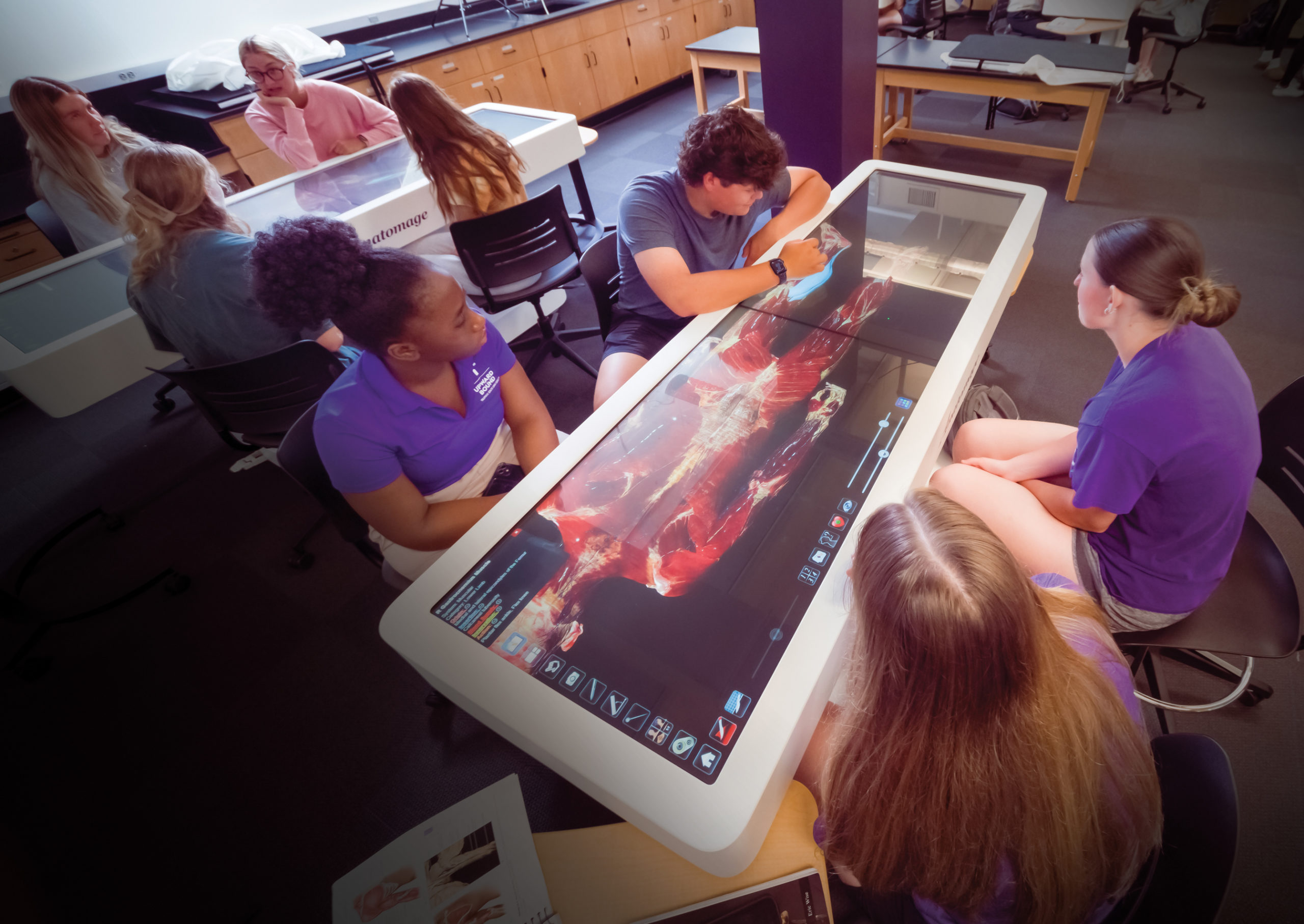
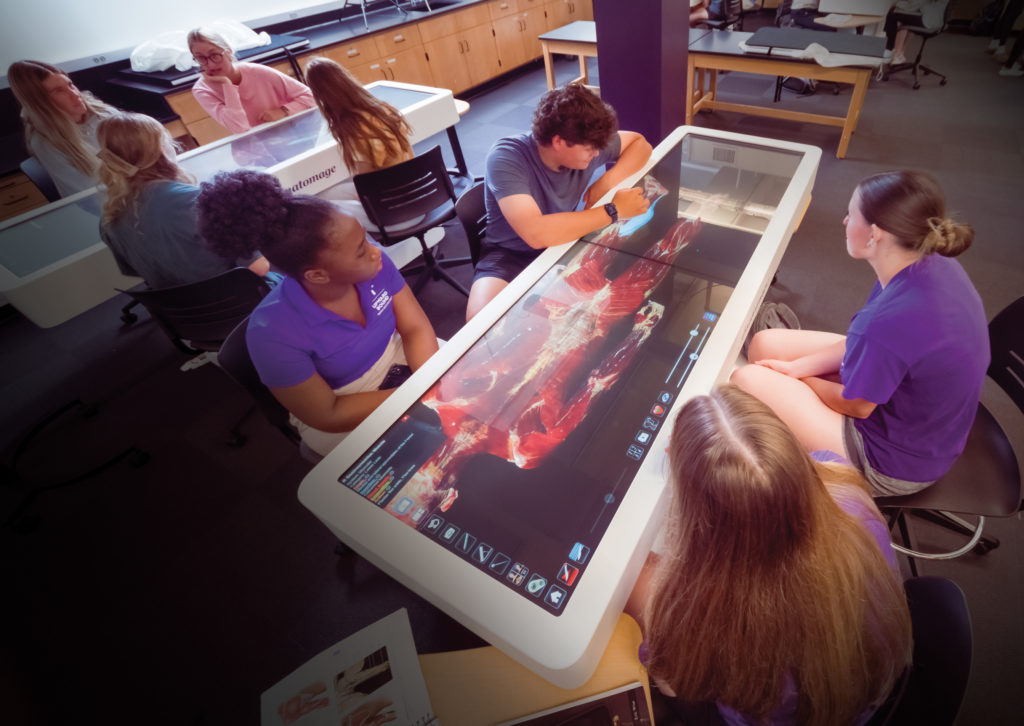
Students use Truman’s virtual anatomy lab in Magruder Hall.

By thinking long term, Truman is in a position to meet the needs and interests of today’s students while helping prepare them for the careers of tomorrow.
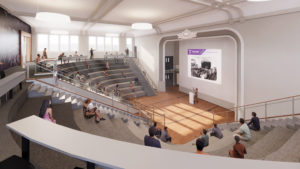
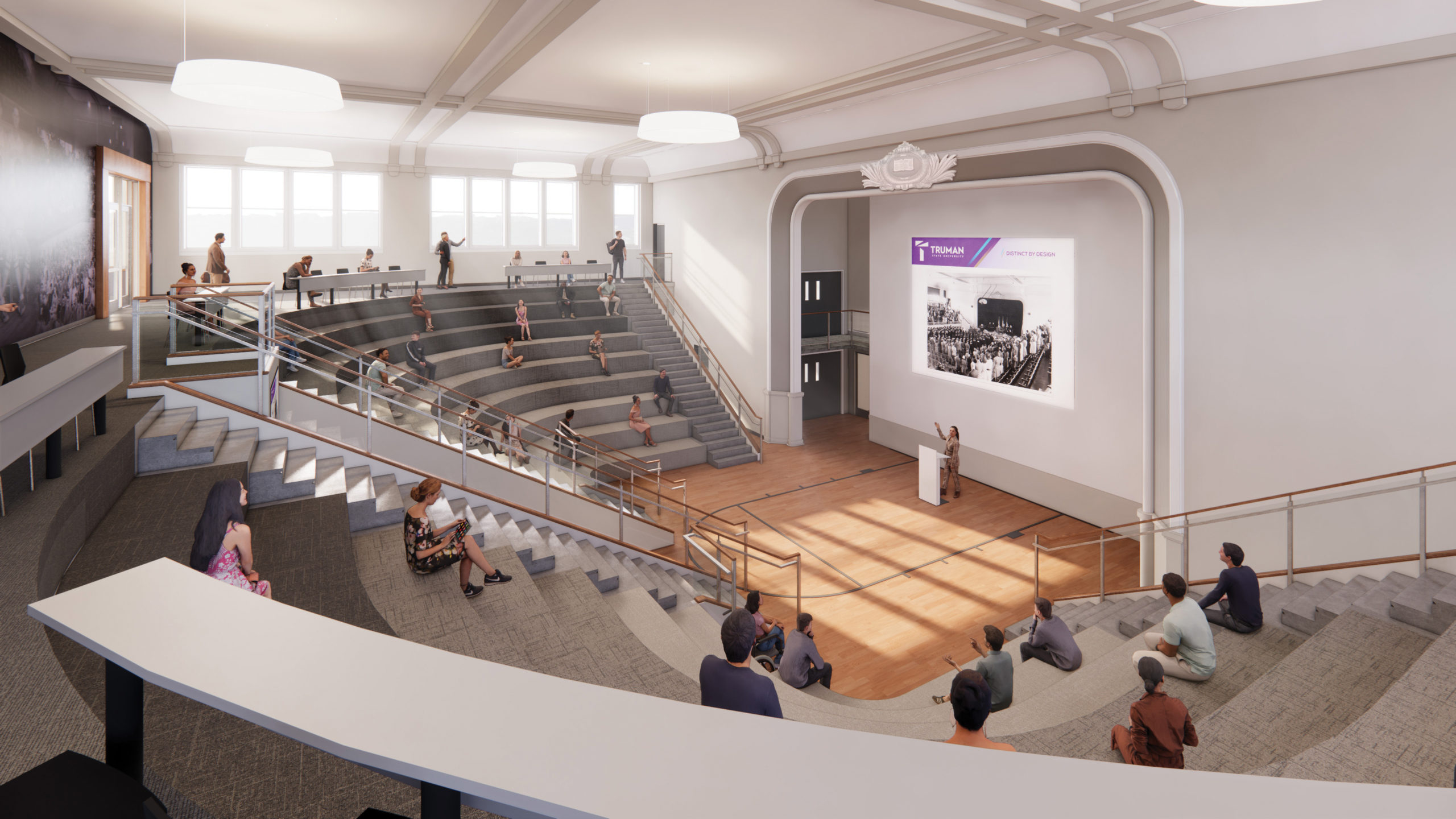
Artist rendering of the future forum area in Kirk Building.

One hundred years ago, the Kirk Building was the site of a pivotal moment in the University’s history. Just a day after fire ravaged the original Baldwin Hall and library in 1924, faculty, students and members of the community came together to determine the fate of the school. With the remnants of the burned structures still scattered within eyesight of their meeting, those in attendance vowed to move forward and do whatever it took to keep the University alive. Business owners made space in their stores, church leaders offered their sanctuaries as lecture halls and A.T. Still University provided campus resources. The can-do spirit of the moment, combined with an outpouring of community generosity, not only saved the University, it started a path to greatness that remains today.

Fittingly, Kirk Building is again a harbinger of what should be another successful 100 years. Truman is in the process of a $21 million renovation that will breathe new life into the historic structure and make it a hub for student services, as well as a vital resource center available to the local community. The Kirk project is one of many signs that Truman will control its own destiny, no matter the situation.

Higher education is in the midst of an industry-wide shift. According to the Pew Research Center, in 2022 the total number of 18- to 24-year-olds enrolled in college was down by approximately 1.2 million from its peak in 2011. While the pandemic exacerbated the issue, it has been a nationwide trend for years. How higher education arrived at this moment in time, and what the future may hold, could be examined at length. For Truman, the solution lies within.

“Throughout our history, applying the wisdom of our first president, Joseph Baldwin, to ‘find right, choose right, do right, enjoy right’ in contemporary and impactful ways has ensured that Truman rises to successfully meet every challenge,” said University President Sue Thomas. “Today is no different.”

The University’s track record of adaptability and innovation goes back to its roots. After starting as a normal school exclusively to train future educators, the institution evolved to feature a number of undergraduate and graduate programs. With the mission change nearly 40 years ago, the University refocused its academic structure, letting go of programs that did not fully serve the student body, while at the same time investing in those that would be in-demand for years to come.

“Our commitment to continuous improvement and adaptability can be found in the introduction of our current strategic plan – ‘through a renewed liberal arts and sciences curriculum that is deliberately built for the modern world, we are dedicated to each of our student’s individual pursuits and ensure their engagement in learning and discovering their personal and professional purpose by providing intentional curricular and co-curricular opportunities which are applicable to real-world challenges,’” Thomas said.
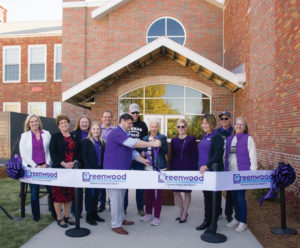
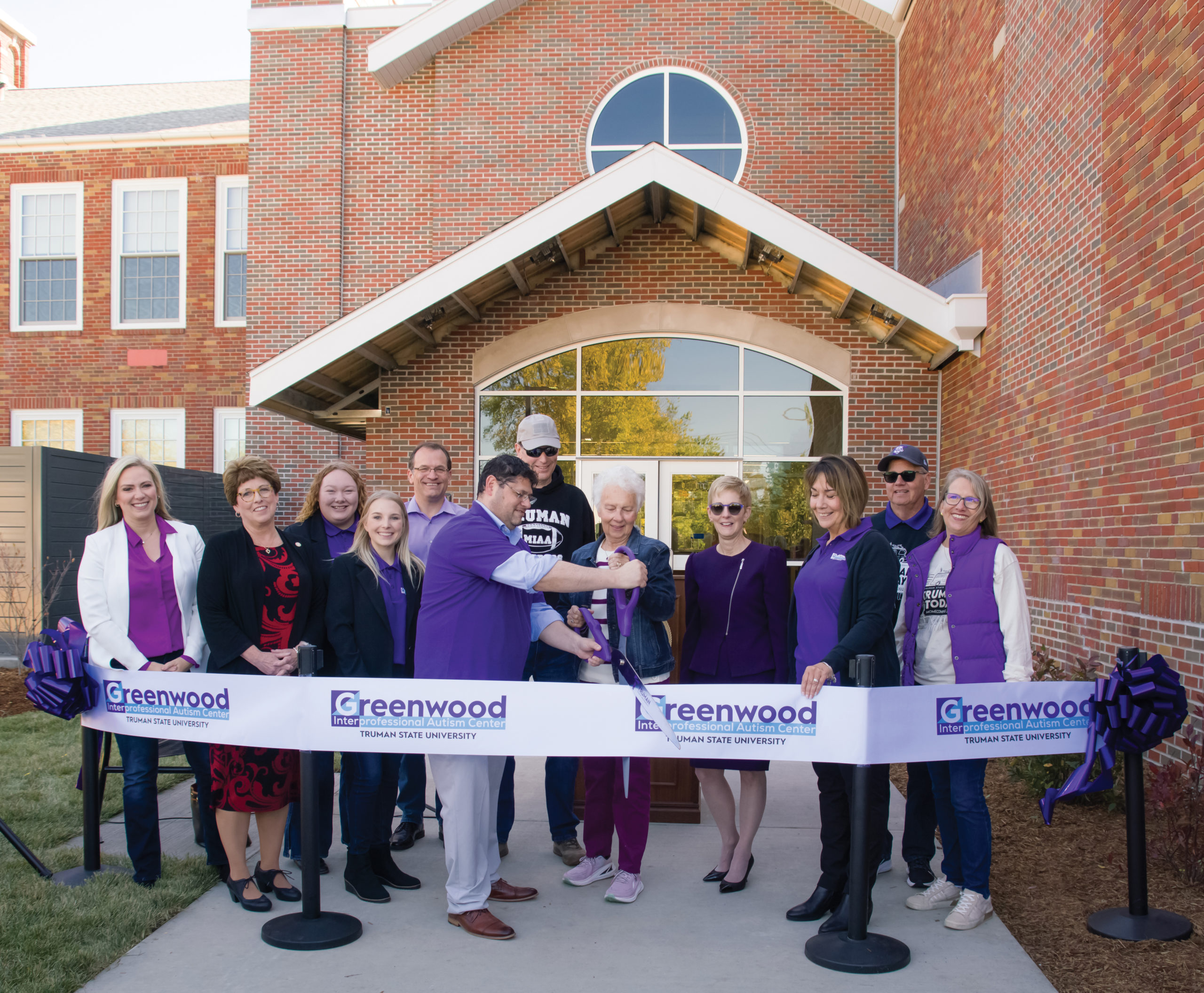
The Greenwood ribbon-cutting ceremony in October 2023.

Nowhere is that point more evident than in Truman’s newly established Greenwood Interprofessional Autism Center (page 2). The University purchased the decommissioned elementary school in 1999, primarily because of its proximity to campus, and it was used as storage for several years. Starting in 2015, Truman embarked on a mission to convert the facility into a center that could serve individuals and their families affected by autism and other neurodevelopmental disorders. After nearly a decade of planning, making the case for support to state, federal and philanthropic leaders, and after nearly $9.4 million in renovations, a project that once seemed incomprehensible became a reality. Not only does the Greenwood Interprofessional Autism Center provide a service to the community, it opens the door to hands-on learning experiences in an emerging career field.


It is easy to measure success in brick-and-mortar achievements, but the Kirk and Greenwood projects are far from the only recent hallmarks of innovation at Truman. New academic programs are constantly being added to meet both the interests of today’s students and the demands of tomorrow’s workforce.

Continued expansion in data science has positioned the University as a leading institution in the field in Missouri. Simply put, data science focuses on making meaning from information. Program participants learn how to collect and analyze data, as well as gain knowledge of techniques to effectively communicate insights that can be used to solve problems through informed decision making. Nearly every industry utilizes data to some extent, from businesses trying to effectively manage inventory and purchasing decisions to streaming platforms suggesting what to watch next.

“Everyone has tons of data and they don’t know what to do with it,” said Scott Alberts, chair of the Department of Statistics and Data Science. “This program focuses on making meaning from information, including use of tools such as distributed computing and machine learning. Those skills can be used in a wide array of career fields, making this a versatile and valuable degree.”

Truman began cultivating a data science program in 2018 with the addition of a graduate certificate program that eventually led to a master’s degree option. Earlier this year, a bachelor of science option was added, putting Truman among the first institutions in Missouri to offer an undergraduate degree in the discipline. Furthermore, Truman has worked with K-12 and community college partners to create a data science pipeline that prepares students from a wide age range to potentially pursue data science degrees and careers.
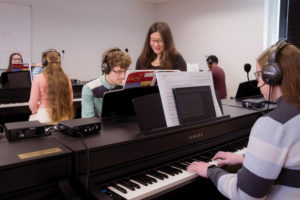
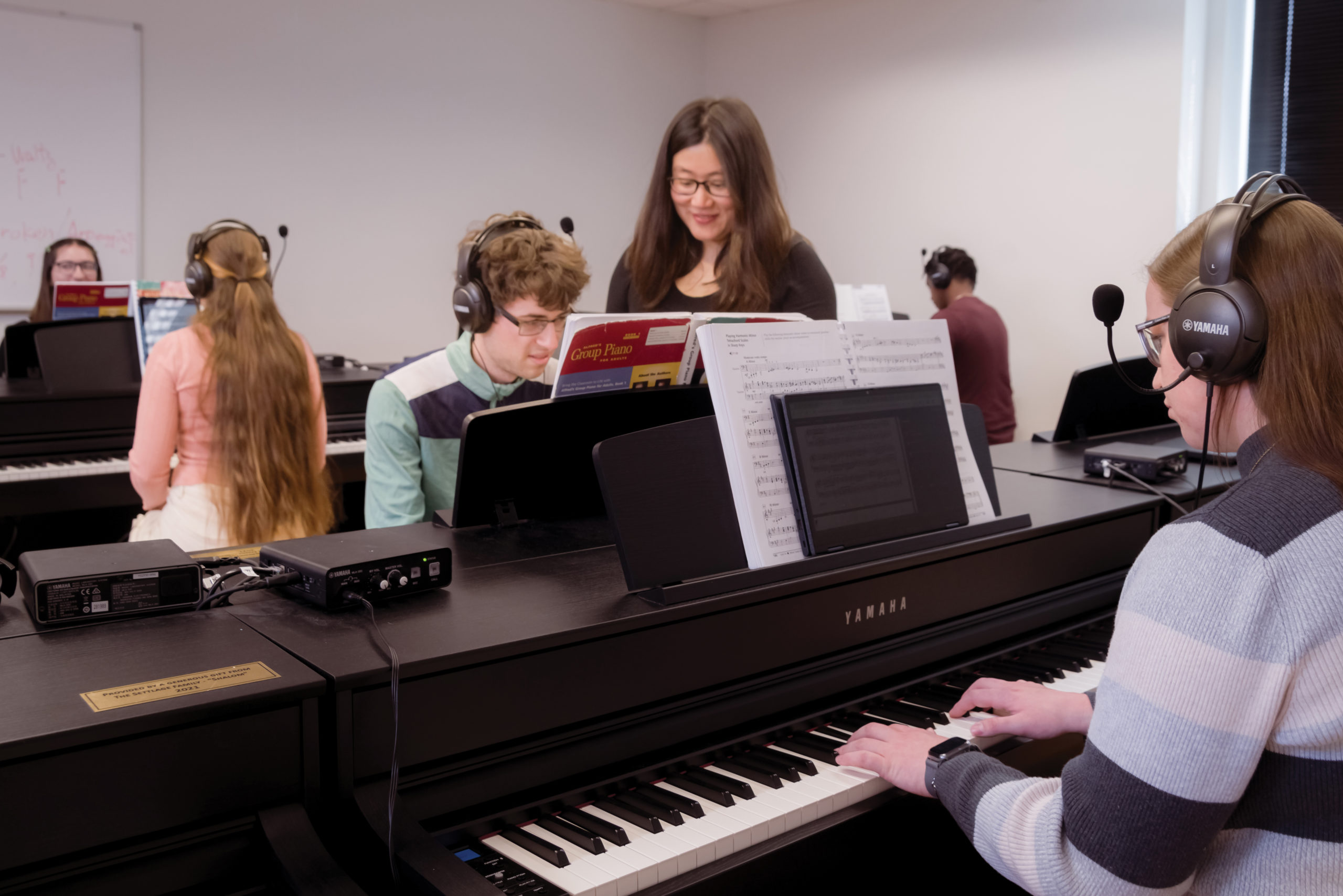
Students use the piano lab in Ophelia Parrish.

In some instances, opportunities can arise from the infrastructure of well-established programs. Building on the University’s rich history with music, Truman now offers bachelor’s degree options in music business and music therapy.

“A degree in music provides students with many options, and that is something we want to offer students as they plan for their future,” said Steve Parsons, dean of the School of Arts and Letters. “These new programs allow students to channel their acquired musical skills into a number of exciting career possibilities.”

The business option provides aspiring music business professionals, entrepreneurs and artists with the knowledge and skills they need to succeed in the industry. Its broad collection of electives enables students to personalize their coursework to fit their specific professional aspirations.

Students who want to combine their interest in music with a desire to help others can take the music therapy option. Along with rigorous training to develop musicianship and performance skills, this program includes courses in biology, nursing, sociology and anthropology.


In a sense, there is a free-market aspect as to what degrees may one day be available, and innovative institutions have to be cognizant of the societal winds of change. A perfect example of that is the cannabis and natural medicinals major. In the wake of Missouri residents voting to ease cannabis laws, a new industry was created, with some projections forecasting the state market to generate more than $1.3 billion per year. This interdisciplinary degree integrates the science behind cannabis and medicinal plants, as well as the business and regulatory aspects of medicinal plants, and the social and cultural aspects of medicinal plant use.

“This is a booming industry in our state and it is vital to have qualified, well-trained individuals to fill the workforce needs. We want Truman graduates to be leaders in this industry,” said Tim Walston, dean of the School of Science and Mathematics. “A lot of thought went into creating this major, and we were able to put it together with many of the faculty and facility resources we already had in place. Our program is good for the school, good for the state and good for our graduates.”
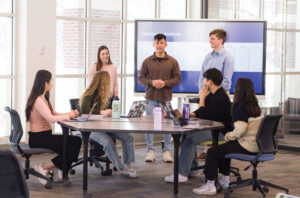

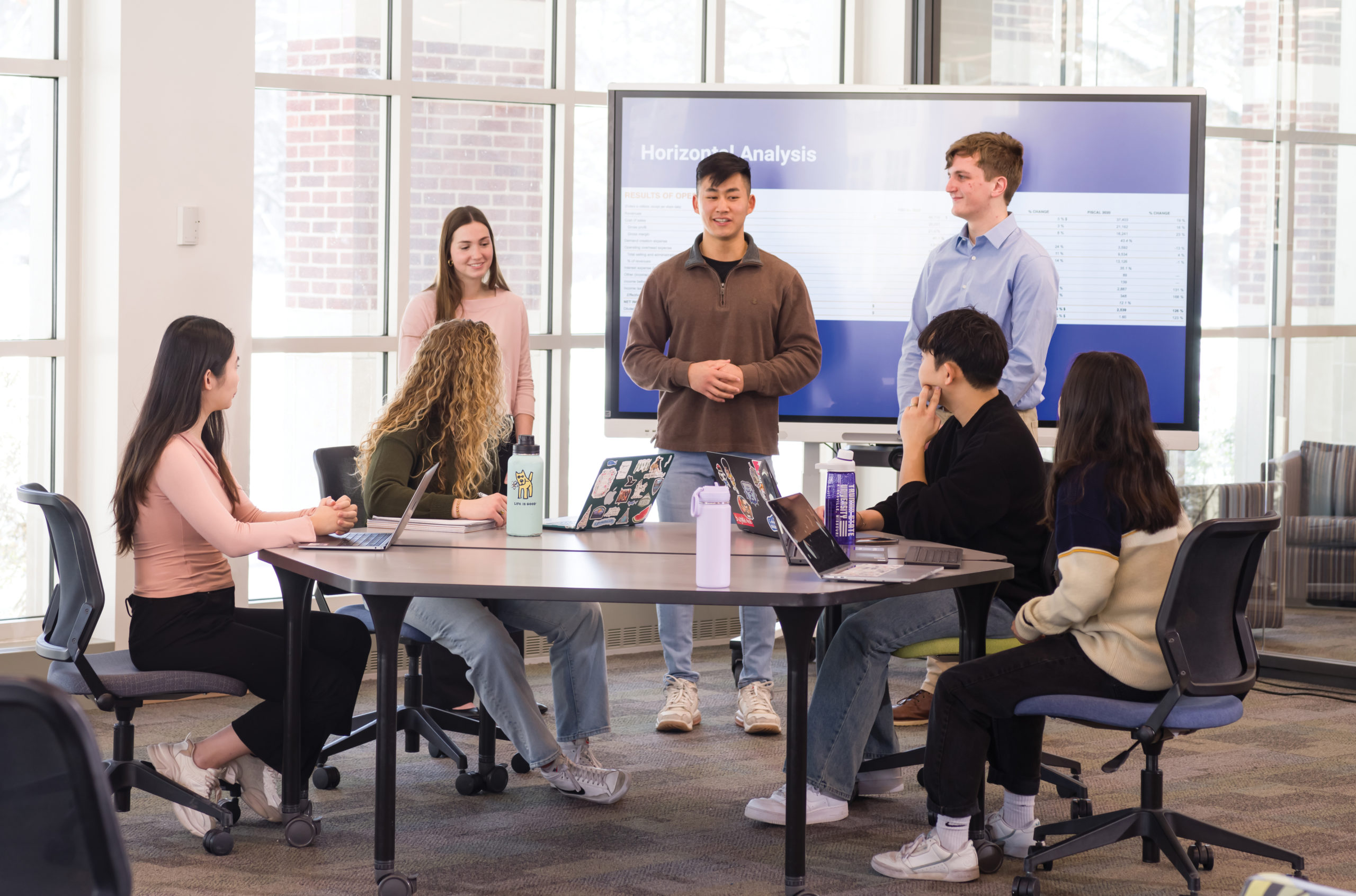
Students use the Doug and Diane Villhard Innovation Lab.

There is no limit on paths to success. Whether the goal is solving a world problem or developing a product and taking it to scale, a liberal arts institution is the ideal breeding ground for creative solutions. A recent campus addition supporting those endeavors is the Doug and Diane Villhard Innovation Lab located in Pickler Memorial Library. This newly renovated space features collaborative writing surfaces and networked computers with creative software. A design lab offers hands-on experiences in problem solving and critical thinking, while the multimedia studio provides the ability to produce podcasts, along with video conferencing equipment to connect and collaborate with remote partners.

“The Villhards are big proponents of entrepreneurship. They wanted to create an environment that is conducive to developing big ideas,” said Charles Hunsaker, executive director for University advancement. “Innovation can come from anywhere, not just students who may want to start a business. They were excited about the lab being located in the library so students from any discipline would feel welcome to use the space and explore any topic that spoke to them.”

The importance of hands-on opportunities cannot be overstated, and Truman has established some that students can’t find just anywhere. Magruder Hall is now home to a virtual anatomy lab featuring six 84-inch, digital-screen tables that allow for life-size displays and interactive exploration.

“This cutting-edge facility not only provides a dynamic learning environment for our current students, it also attracts aspiring scholars by showcasing Truman’s commitment to providing high-quality educational experiences,” said Stephen Hudman, associate dean of the School of Science and Mathematics. “Beyond the study of humans, the tables in the virtual anatomy lab also provide models of other systems that are useful in the study of comparative anatomy.”

The tables include 3D medical-school-level anatomy content up to 0.2 mm. Among other features, students are able to participate in interactive dissections and virtual arthroscopy, as well as view blood-flow simulation and fly-through simulations in the respiratory tract, gastrointestinal tract and chambers of the heart. The high-resolution images afford users an in-depth view of major structures in the body, such as the heart, lungs, abdomen and pelvis, that might be more difficult to see through previous instruction methods.

The coming academic year will also give Truman students access to the University’s first “supercomputer” (page 4-5). Through a recent National Science Foundation award of nearly $700,000, Truman is one of four schools in Missouri partnering to develop a high-performance computer (HPC).

“With computational resources becoming nearly ubiquitous in both academic research and a wide range of career sectors, we think it is important to provide students with the opportunity to work with HPCs as part of their education,” said Colin DeGraf, assistant professor of physics and co-principal investigator for the NSF grant. “The experience and skills they can gain from this should help them with their next step after graduation – whether going to graduate school or entering the job market – and also make them more productive in any computational field they might enter.”

Students and researchers who benefit from the HPC could come from almost any scientific discipline. In their NSF application, DeGraf and his fellow investigators included cases ranging from astrophysical simulations, computational chemistry, data science, cybersecurity and genetics.   


Almost everything commonplace today was at one time a novelty. The telephone started as bulky box connected to a community switchboard, and a television was once found only in the living rooms of the select few who could afford it. Now people can use the former to watch the latter from almost anywhere. That same device also provides access to an endless supply of music, books, messages, games, news, apps and — for anyone still inclined to make them — phone calls. Those improvements came to fruition because visionary individuals saw what else was possible. Progress should be embraced, not feared. The subject matters traditionally associated with a well-rounded education — math, science, arts, humanities — will always have a home at a liberal arts institution. Whatever additional programs may arise, they do not come at the expense of any core disciplines, but rather are possible because they are built on the shoulders of those that came before it. When computer science programs were developed in the mid-20th century, there were probably many skeptics. Now that discipline is a must-have component of any reputable institution.

Innovative is not synonymous with intricate. One reason Truman can accomplish innovative achievements is because the core of the school’s philosophy is simple: put students in a position to be successful after they graduate. That is easier said than done, and it speaks to the quality of the University as a whole that Truman makes it happen. Faculty members make genuine connections with students and care about their best interests. Administrative leadership has put the school in a solid financial situation that affords it the opportunity to be proactive. The long-term success of the University belongs not to one person or era, but rather to every student, employee, alumni and friend who has done whatever it takes to continue moving forward, just like those people at the Kirk Building meeting 100 years ago. Truman’s track record of innovation has set it apart for decades, and it will propel the University forward for decades to come.