Archives

Helping Nab Computer Crimes

Truman student Nick Spear’s childhood dream was to become an astronaut. Although he doesn’t see himself on a trip to space anytime soon, Spear discovered that an internship with NASA in Washington, D.C., last summer provided a nice compromise.

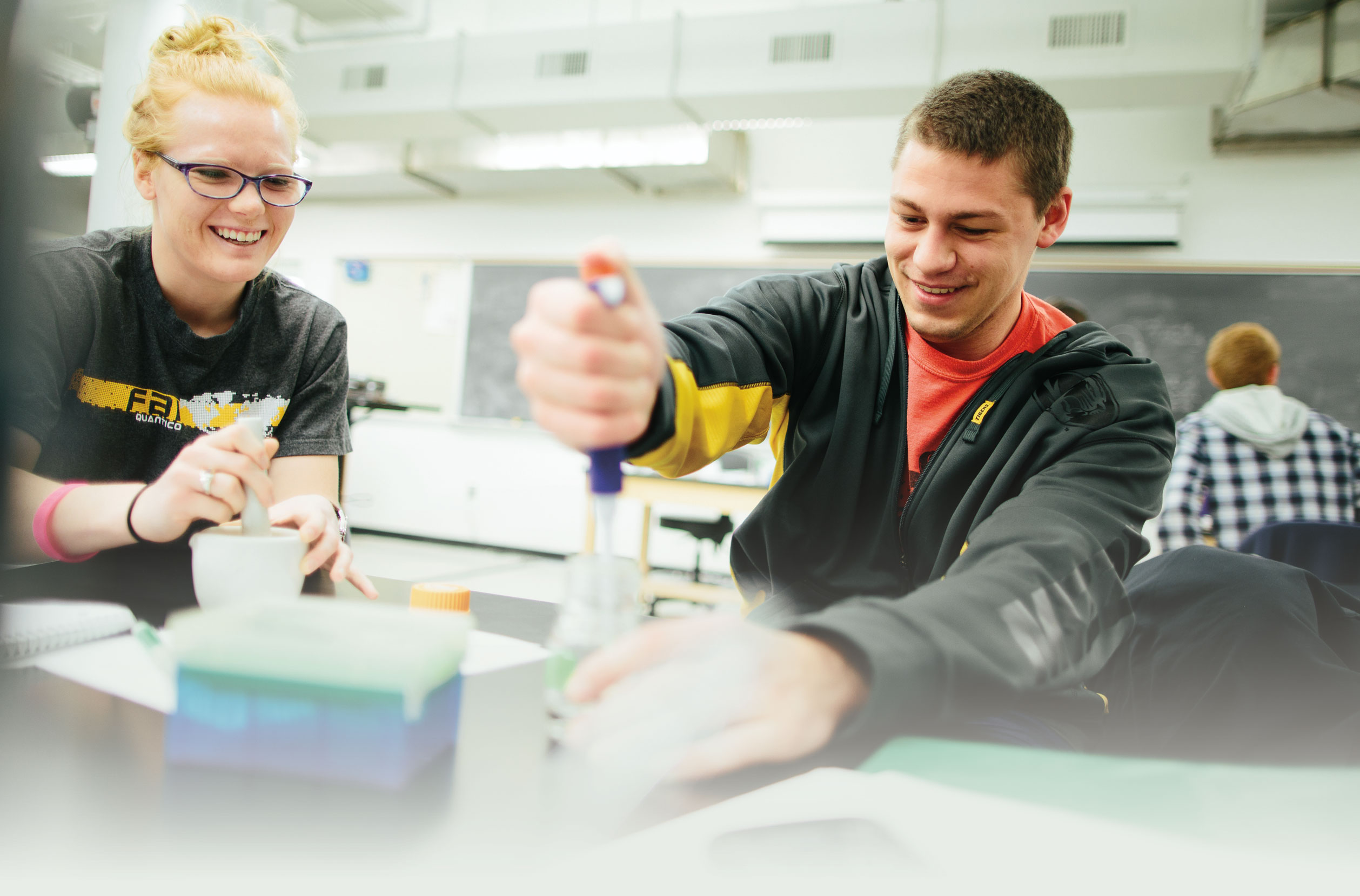
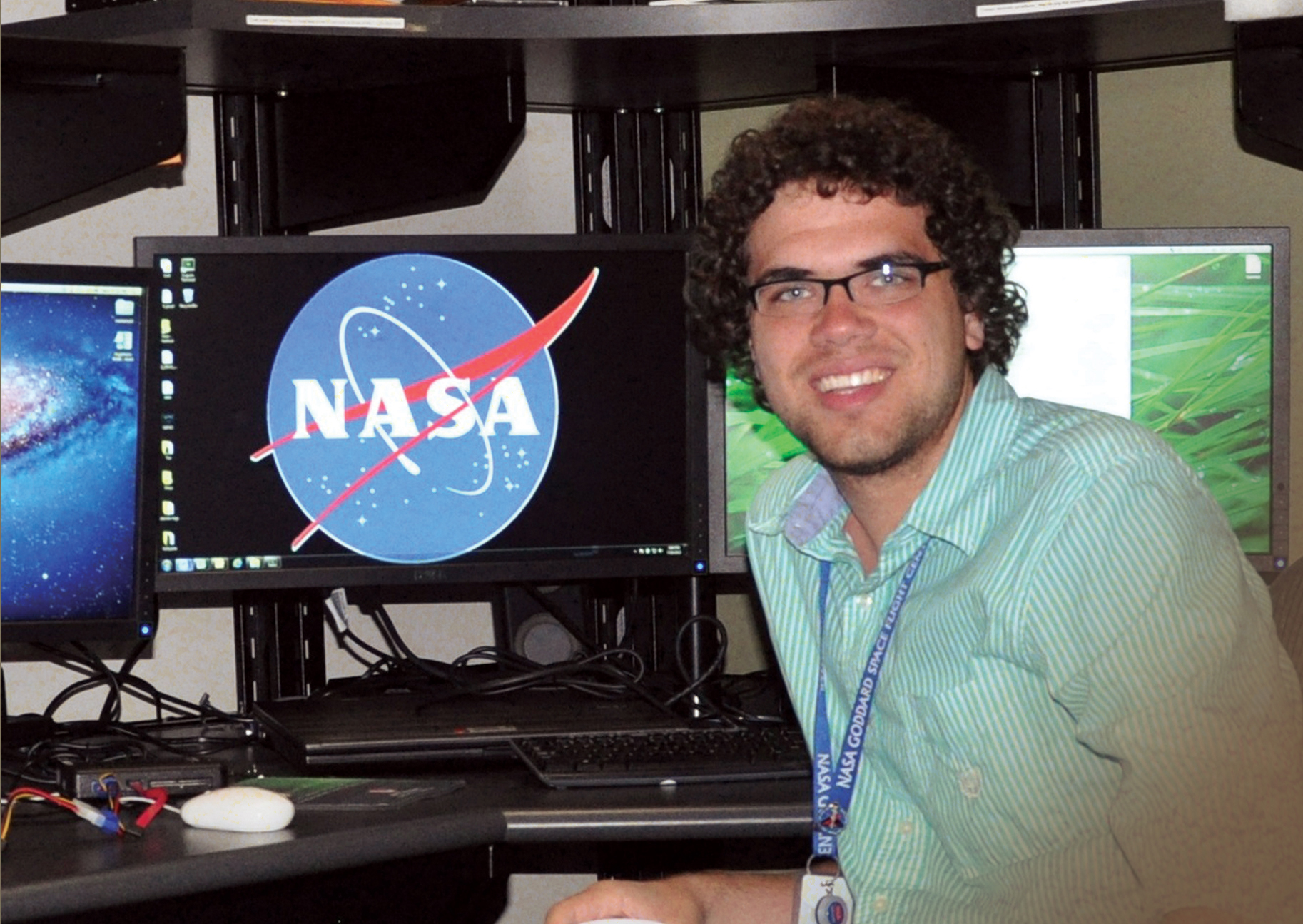
Nick Spear, a math and computer science major, landed a summer internship working with NASA's Computer Crimes Division.

Nick Spear, a math and computer science major, landed a summer internship working with NASA’s Computer Crimes Division.

Spear’s previous experience in researching tools and techniques for detecting infected computers helped prepare him for his internship with NASA.

Spear worked in the NASA Computer Crimes Division during his internship.

“Every federal agency has their own Office of the Inspector General, which helps catch any fraud, waste or abuse going on within the agency,” Spear said. “In the Computer Crimes Division (CCD), we looked at any and all computer-related crime that is costing NASA money.”

CCD special agents research various cases of computer crimes, ranging from a single employee searching inappropriate content to vast networks for malware that cause problems all over the world. After an agent began a case, Spear’s job was to help out by doing forensics on computer drives, calculating the cost that NASA incurred from the crime and building new systems for the office to use.

Spear worked with the East Coast Division of the NASA CCD, which was comprised of three special agents and his boss, the agent in charge of the East Coast CCD. “Working in such a small group made for a fun environment,” Spear said. “That made it easy to learn a lot during my internship.”

The East Coast CCD helped Spear gain a great deal of technical experience, which he believes will be useful for his future goals. Spear said that the employees at the NASA CCD each had their own diverse working style. This helped him see different perspectives on how to get a job done, which aided him in learning the trade.

During his summer internship, Spear was invited to return to the NASA CCD for a second summer of work. He is currently looking at graduate schools in the Washington, D.C., area so he can continue working for the CCD while completing his school. As far as plans after graduate school, Spear is keeping his options open.

“I’d love to continue what I’m doing, perhaps becoming an agent myself,” Spear said. “But other exciting possibilities may present themselves farther down the road.”

Two Games in Two Days

This past fall marked the 50th anniversary of a very unique moment in the history of Bulldog football. Alumnus and team member Shane Cavanah gives a first-hand account of the unusual weekend.

In the fall of 1963, I was a senior football player at Northeast Missouri State Teachers College. I was one of 12 returning seniors on the squad. We were expected to, and did, provide the necessary senior leadership that is required and desired in the one-for- all, all-for-one team concept.

We had an unusual scheduling fiasco to start the season that I have never seen or even heard of since that year. Because of some sort of a scheduling mix-up, we had two games on the same weekend at the beginning of the season. The only explanation given to us was that two contracts had mistakenly been signed and neither of the two opponents would budge on allowing us to be released from their particular binding agreement.

We reported to pre-season football workouts at the usual time in mid-August and our preparation procedure was the same as it had been in any other year. Our coach, Maurice “Red” Wade, would schedule three practices a day prior to the beginning of classes that started in September. The workouts would be scheduled for 8 a.m., 2 p.m., and again at 7:30 p.m. He attempted to limit practice time to 90 minutes each session and didn’t deviate from that time schedule very often. Sometimes we might go 10 minutes over, but not with any regularity.

I always thought Coach Wade scheduled the practice times this way to prevent a bunch of college-age guys from having idle time in the evenings. It was his way of gently reminding us we would have the same regimented activities the following day and we better be ready for them. We would do this for five consecutive days, Monday through Friday, followed by a scrimmage on Saturday morning. We had the rest of Saturday and Sunday to recover only to repeat the exact schedule the following week.

We had to be convinced, or maybe even brain-washed to a certain degree, by the coaching staff that playing two games in two days was no different from when we would hold offensive and defensive scrimmages two days in a row. Wrong!

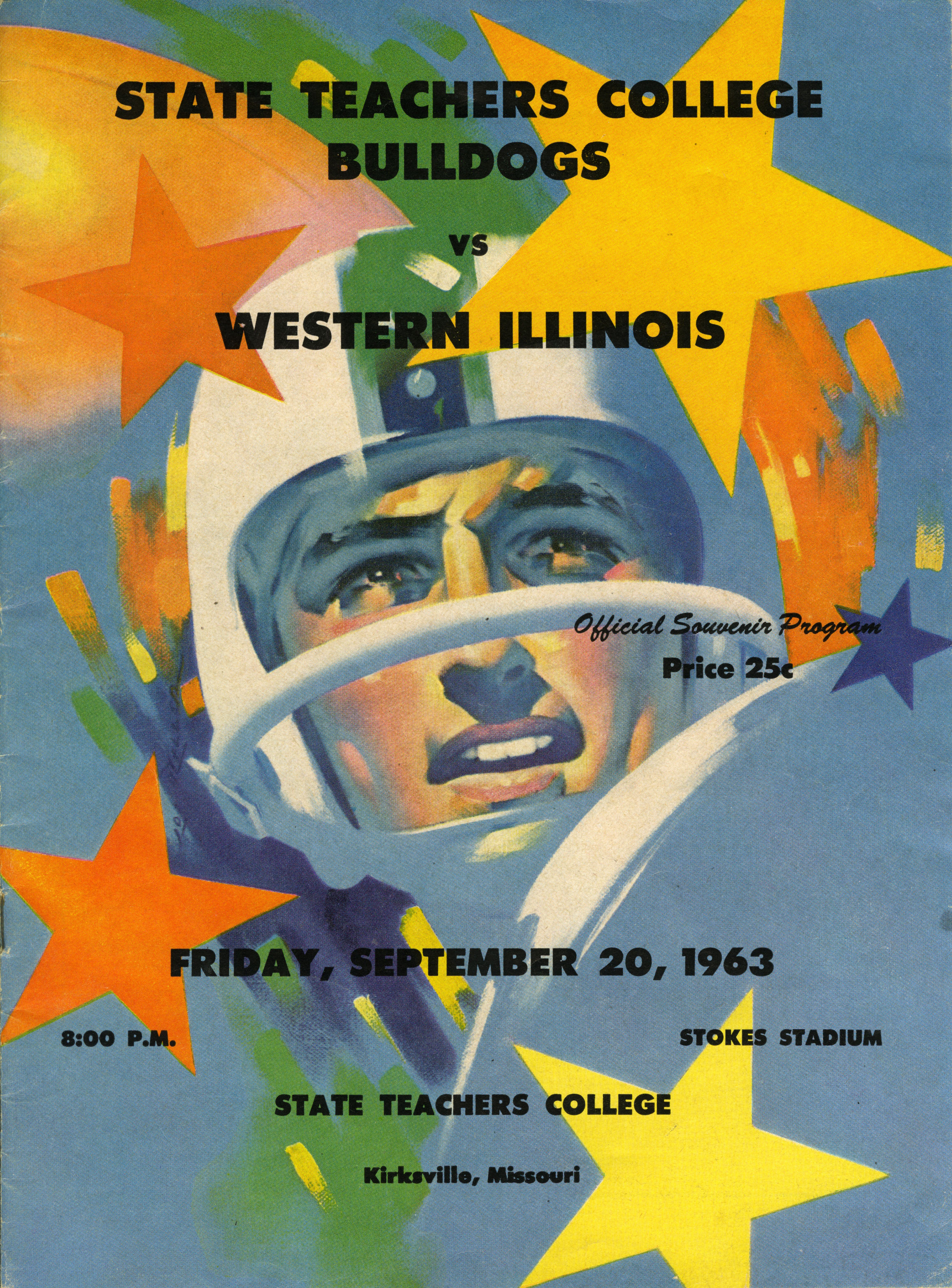
Our first game of the ’63 season was a home game against Western Illinois University on Friday night, Sept. 20, at Stokes Stadium. Game time was 8 p.m., which was the usual starting time for night games back then. Though scouting reports were not as elaborate as they are now, we had information on Western Illinois from their previous season. We learned their formations and tendencies on both sides of the ball to assist in our game preparation. We approached the opener as we would normally prepare for any upcoming opponent.

TwoGamesProgramThe team looked forward to the first game as any team does—excited and ready for the regular season—as we were tired of hitting each other and were looking forward to seeing different faces on the other side of the ball. We had 20 returning lettermen from the previous season and even though Western Illinois was a quality opponent, we were prepared and proved it with our performance on game night. The final score was 22-0 in favor of the Bulldogs. Win number one was in the books, but now we had less than 24 hours to prepare for our game the next night against the Washburn University Ichabods.

Not only were we scheduled to play a second game in less than 24 hours, we were required to travel to Topeka, Kan., on top of that. Needless to say, we had very little preparation time for Washburn University, and even though we were favored going into the contest, we lost 7-6. Now, I can tell you in all honesty that had we been allowed the normal time to prepare and to recover both physically and mentally, I feel there would have been no doubt about the final outcome.

It is noteworthy to mention that although the University was awarded a 1-0 forfeit later when it was determined that Washburn had used an ineligible player in the game, we never really did consider it a victory. Our final ’63 record, without counting the forfeited game as a win, was 7-3.

At the time all this was happening, I didn’t think it was that much out of the ordinary. I guess I thought situations such as this were commonplace and this just happened to be our time to experience it. Now, as I look back some years later, I realize it was quite an unusual order of events.

Shane Cavanah coached high school football in Missouri for more than 40 years, compiling a record of 255-119-3 and winning a state championship with Princeton in 1968. He was inducted into the Missouri Coaches Hall of Fame in 2000 and the Missouri Sports Hall of Fame in 2012. Friends and teammates can reconnect with him at scavanah@shighway.com.

Teacher of the Year

With roots deeply imbedded in the profession of  teaching, it should be no surprise that a University alumna was recognized as the Missouri Teacher of the Year for 2013-2014. Perhaps the recipient, Jamie (Smith) Manker (’98, ’00) was as surprised as anyone when she learned during an impromptu assembly at her school in August that she was the winner. Whether it was fate, destiny or just random chance, a series of seemingly unrelated events had to fall perfectly into place for Manker, a social studies teacher and department chair at Rockwood Summit High School in Fenton, Mo., to be recognized as the top teacher in the state.

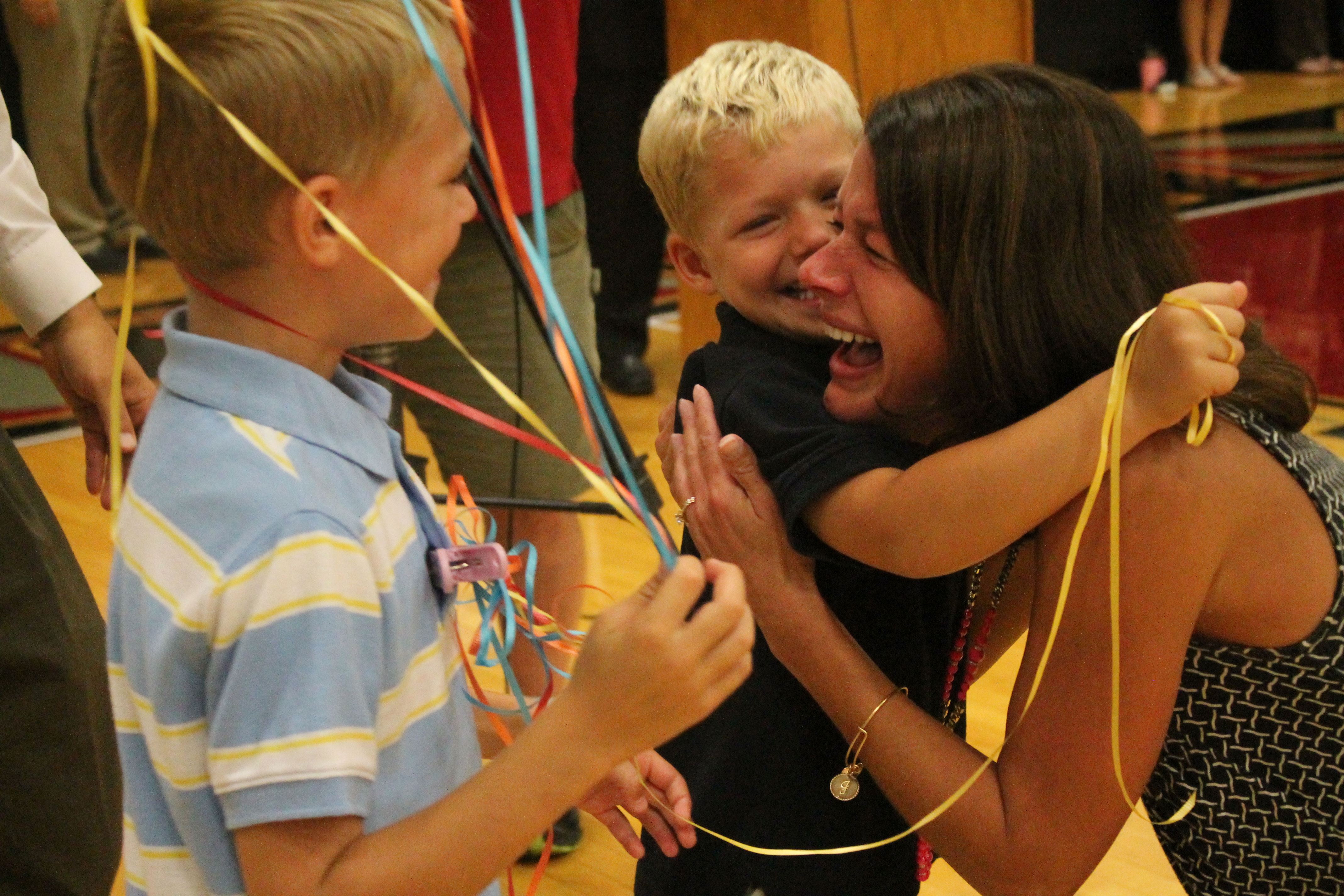
ABOVE: Jamie Manker shares a moment with her two sons, Kyle (7) and Tyler (5) after learning she was named the Missouri Teacher of the Year. (Photo by Mary Thaier, Rockwood Summit, Talon Newspaper)

ABOVE: Jamie Manker shares a moment with her two sons, Kyle (7) and Tyler (5) after learning she was named the Missouri Teacher of the Year. (Photo by Mary Thaier, Rockwood Summit, Talon Newspaper)

Manker’s family moved all across the country during her adolescence, and her last few years of high school found her living in Riverton, Kan., not far from the Missouri state line. Her high school guidance counselor had her fill out an application for Truman—a school she had never heard of—mainly because it was free and would be good practice. It was not until Manker was accepted that she even decided to visit the campus, where a now unknown tour guide will never realize the role he played in bringing her to Truman.

“I loved whomever gave me my tour,” Manker said. “He should be credited with my tuition. I picked Truman because of him.”

Despite not knowing any of her fellow students when she arrived in Kirksville, and living in a less than appealing pre-renovation Missouri Hall, Manker quickly felt at home on campus. She made a variety of friends and felt comfortable in the classroom. The combination of academics and social life made her transition to college smooth.

“A really cool thing that I hadn’t experienced before was that a lot of kids were really smart, but really fun,” she said. “I hadn’t really thought that you could be both smart and fun before entering college.”

Originally Manker planned to study one of the sciences, but social studies courses in high school and college changed her focus. It was not until her sophomore year at Truman that she realized she wanted to be a teacher.

“It took a long time to figure out what I was good at and what I liked,” Manker said. “School was always an awesome place to be and I wanted to recreate that positive energy for students of my own.”

After earning her Bachelor of Science degree in history in 1998, Manker stayed on at Truman and added a Master of Arts in Education in 2000. For the past 14 years she has been employed as a teacher at Rockwood Summit High School.

While Truman can take credit for helping mold Manker into a more than capable teacher, she credits all the moving around as a child for giving her a means to make personal connections with her students.

“I was able to develop a self-confidence in my ability to meet new people and make new friends and get along with groups and figure out what people care about. All those things I think I do better because I’ve lived in a lot of places,” Manker said. “I remember having moments where I was not focused on the classwork because I was worried about ‘Am I going to make a new friend today?’ ‘Am I going to fit in socially?’ ‘Am I going to have somebody to eat with at lunch?’ That has helped me have more empathy with my students. I understand that they have life happening.”

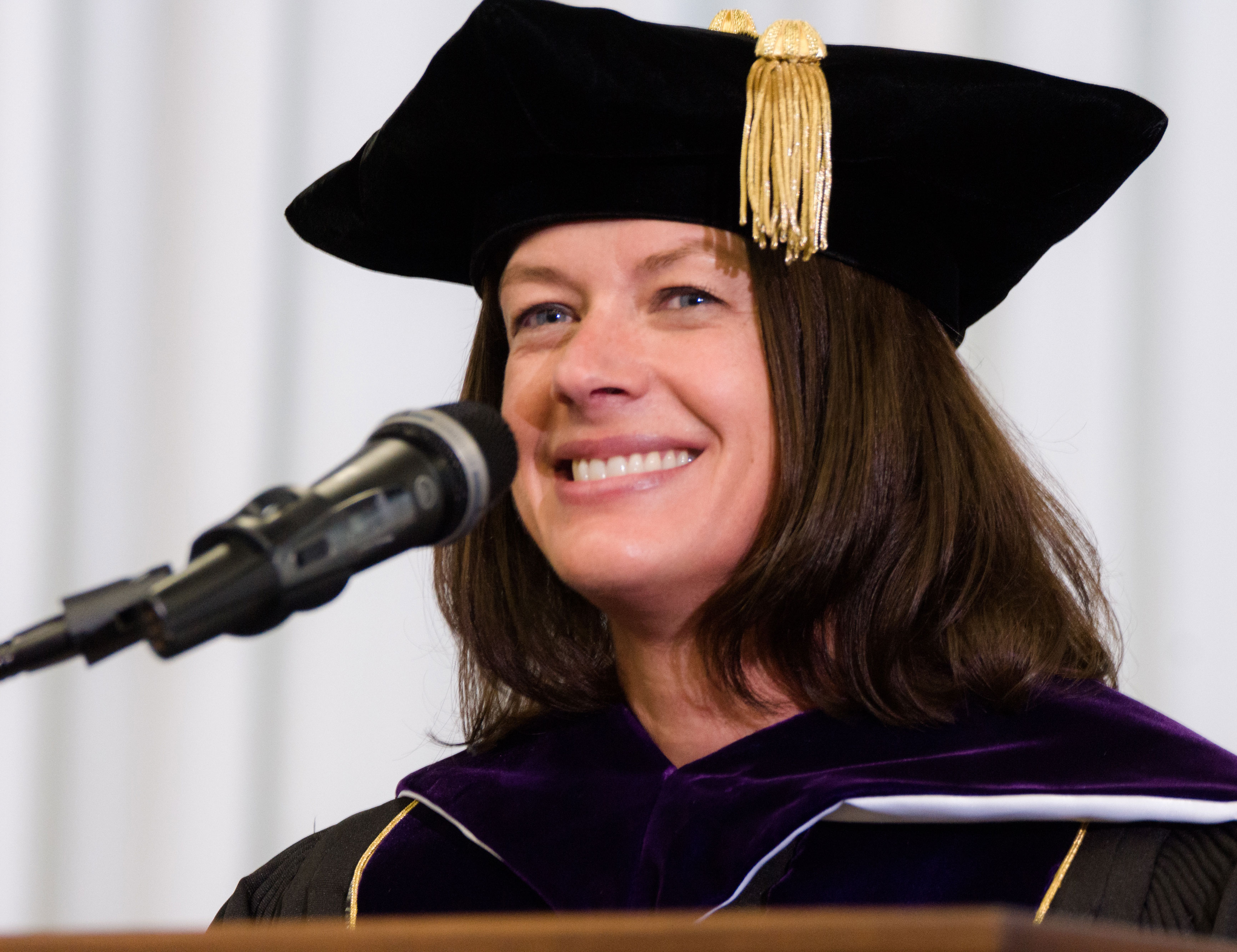
Jamie Manker gives the commencement address Dec. 14 in Pershing Arena.

Jamie Manker gives the commencement address Dec. 14 in Pershing Arena.

Even though Manker is beloved by her students, it does not mean her classes are easy. She takes pride in offering a challenging classroom, and feels reaffirmed when students thank her later, often after they have graduated.

“I want them to think my class was tough, but that I gave them a way to succeed,” Manker said. “Kids amaze me every day in what they are able to accomplish. They figure out that they can do more than they thought they could do.”

With technology changing today’s schools, Manker is less concerned with simply ingraining dates and little pieces of trivia into her students’ brains. She strives to create a cultural literacy in her classroom and produce students who are analytical thinkers in today’s information age.

Manker is still in the running to receive the National Teacher of the Year, which will be announced in March. While she still has to wait to see if she wins that award, her Missouri Teacher of the Year designation has already earned her one honor. She was invited to serve as the December commencement speaker, her first trip back to campus in several years.

“I can’t believe I was asked to give the commencement address,” Manker said. “This has all been overwhelming.”

Manker lives in Maryland Heights, Mo., with her husband and fellow Truman alumnus Terry (’97) and their two children, Kyle age seven, and Tyler, age five.

Pathway to a Brand

While Truman continues to enjoy a growing national reputation for the outstanding education it provides, the University is facing some significant challenges in higher education. One challenge is the changing demographics. Starting with the high school graduating classes of 2010, Truman has been experiencing declining high school populations in Missouri and the Midwest. Within this shrinking number, Truman has seen an increase in the number of students who traditionally do not go to college, or if they do, they stay close to home.

Adding to that challenge is the fact Truman is the only Missouri university with a highly selective mission. Truman is working to recruit 1,300-plus students who are incredibly bright and talented, while other schools only need to capture a small percentage of those talented students for their entering classes. The University is also dealing with the daily changing landscape of higher education and the influence of technology. Truman must constantly be answering the question “How does a residential liberal arts university fit into a world where everyone is talking about massive open online classes (MOOCs), online education and workforce development?” Truman like so many others, is faced with scarce resources and the ongoing question of “How do we maintain our reputation for quality and affordability with fewer state resources and growing student debt?”
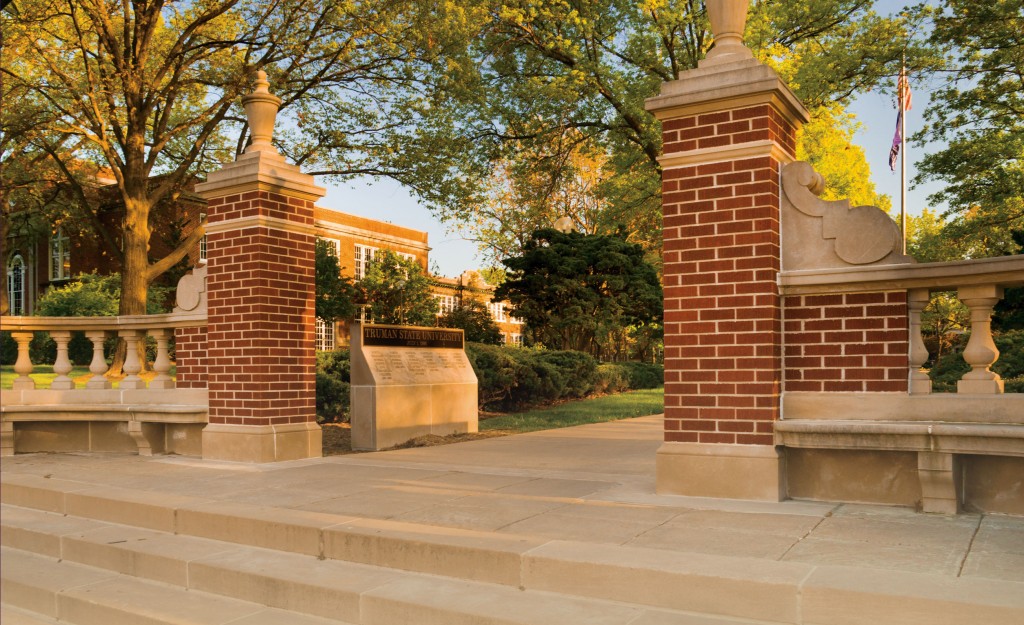
BrandFeature-Gateway

Given these challenges, it became clear that the University needed consistent and repetitive messaging which reinforces the amazing Truman story. Truman has so much to be proud of in the areas that really matter. The University has the highest graduation rate of any Missouri public university and the highest freshman-to-sophomore retention rates. At a time when students are concerned about the affordability of a high-quality education, Truman delivers. Truman has the lowest student-loan default rate in the state (except for Washington University), proving that a Truman degree has currency in the market. The University’s  three-year student loan default rate is 3.7 percent while the national average is 14.75 percent and Missouri average is 13.1 percent. Half of Truman’s students graduate without any student debt and the other half graduate well below the national average.

Recognizing the need to clarify the University’s brand in this message-drenched world, Truman engaged the Stamats higher education marketing firm from Cedar Rapids, Iowa, in January 2013 to assist with the University’s marketing and communication efforts as well as a redesign of the website. They began that comprehensive process by coming to campus to interview administrators, faculty, students and staff to develop a deep understanding of Truman’s strengths and key attributes. Surveys were conducted with members of the campus community, prospective students and parents to establish how Truman is perceived in the marketplace. The surveys also sought to identify key strengths, challenges and differentiating characteristics of Truman for these external audiences. A final survey assessed the perceptions of the University among its alumni. The research, using a combination of qualitative and quantitative methods, helped identify perceptions of the University, its competitive strengths and differentiators, descriptors and attributes perceived as distinctive to Truman, and the institutional positions and promises most valued by Truman’s audiences.

Using the market research and institutional mission, vision, values and strategic plan as guides, the University identified a brand promise statement that could most effectively reflect the words, phrases and messages determined to be the strongest descriptors of Truman among all its constituents. A brand tells a story. Truman’s story is that the University delivers an amazing value, and it is a place where dedicated professors guide talented students as they grow into capable professionals, engaged citizens and supportive colleagues.
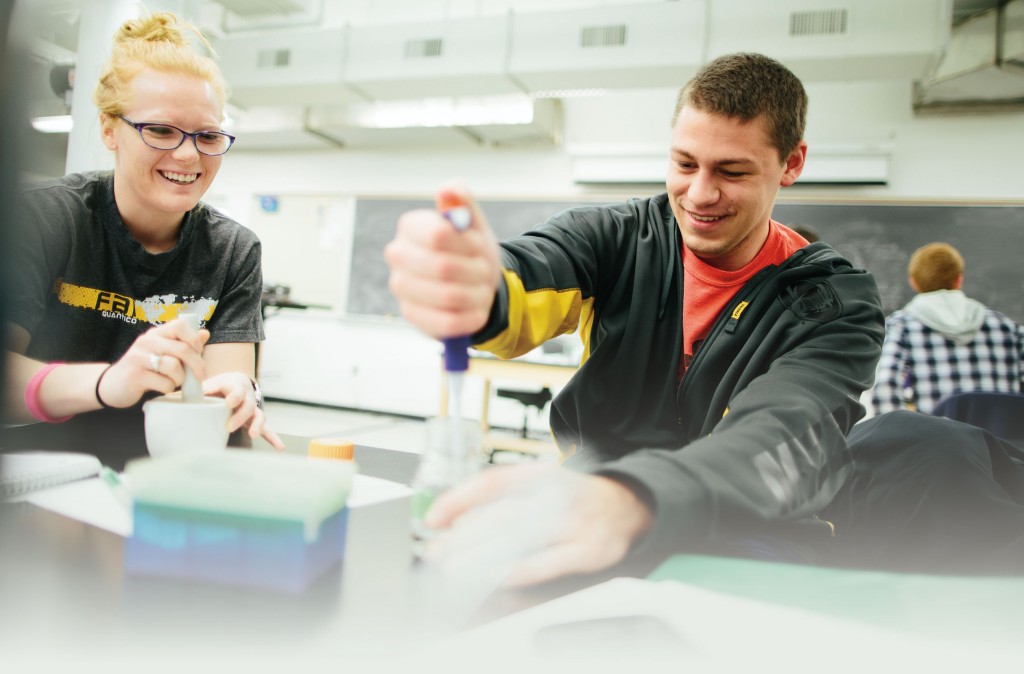
BrandFeature-AttributesUsing the research, four attributes that differentiate Truman from other universities and support the brand promise were developed:
Intellectual and Curious
Individually and collectively, people at Truman are driven to know, to learn, to understand and to extend the reach of their shared knowledge. Truman students and alumni have an intellectual character that is undeniable and distinctive within the competitive landscape. It’s about actively seeking and understanding—asking “why?” one more time. There is a pragmatism, humility and humanity at Truman that is expressed by “curious.” Examples include:

About half of all graduating seniors immediately enter graduate or professional school;

Truman seniors report their courses emphasize “making judgments about the value of information, arguments or methods” more often than their counterparts at Council of Public Liberal Arts Colleges (COPLAC) schools and any of the 2012 National Survey of Student Engagement (NSSE) institutions;

Based on its graduates’ passage of the Certified Public Account (CPA) exam, Truman ranks fourth nationally among large programs and ninth among all programs.

A Lively Community of Learners
A largely residential campus, by design and by geography, Truman brings together more than 6,000 people for the primary purpose of learning. Although the drive to know may be individual, Truman community members work together, challenge each other and care for each other and the world. Truman faculty are involved teachers, mentors and advisors. They are also often neighbors to their students. Older students advise younger students. Majors tutor non-majors. Students disperse into the Kirksville community to rake leaves and clean parks. They stage performances and exhibits. They create clubs and movements. Most of the campus “play” has a larger purpose, and working together for a purpose often sets the stage for play, recreation and service to others. Some examples include:

Truman students participate at a higher rate in cocurricular activities and service-learning projects than students at COPLAC schools or the 2012 NSSE institutions;

87 percent of students are active in one of the 200-plus clubs or student organizations, and 72 percent of students are involved with more than one organization.

Discovering Connections Across a Wide Range of Endeavors
Truman students seek breadth as well as depth in their studies and in their lives, learning to ask thoughtful questions, making surprising connections and communicating effectively across perspectives. This attribute allows Truman to speak to the way a broad education teaches students to articulate connections, a skill that translates into innovation and effective communication throughout one’s life and work. Furthermore, Truman students have the opportunity to connect what is learned in the classroom to endeavors that prepare them for career entry—research, internships, study abroad and service-learning. In a global and technologically accelerating world, every field, from agriculture to nursing to theatre, requires a grasp of culture, history and science, and the ability to adapt and interpret information and interactions. Some examples include:

97.8 percent of surveyed alumni (the 2006 and 2001 classes, surveyed in 2011 at the five-and 10-year mark, respectively) believe that they were able to perform as well or better than their colleagues who may have earned degrees with non-liberal arts backgrounds and heavy discipline emphasis;

This same group of alumni indicated that they were adequately prepared in all areas and especially prepared with respect to combining knowledge from multiple areas to solve problems.

Preparing for Lives That Matter
Fueled by a desire to make a difference, Truman students and alumni turn their intellectual pursuits and emotional connections into action, whether in a profession such as medicine or education, in an endeavor such as scientific research or business leadership, or through community and public service. In both academic and cocurricular activities, Truman students engage with substantive questions and find ways to make that difference. The faculty and staff who mentor and support them are themselves engaged and active, pursuing what matters. As individuals, as an institution and as a community, Truman pursues the questions and faces the challenges of our time. Examples include:

In a 2012 survey of employers of Truman alumni, those employers rated their Truman educated employees as good to excellent in their ability to get along with co-workers and clients, in their demonstration of a personal value system, in their speaking and presentation skills, and in basic work habits (honesty, promptness, diligence, dependability, etc.) and work attitudes (cooperation, loyalty, support, etc.);

Alumni (2006 and 2001 classes, surveyed in 2011 at the five- and 10-year mark, respectively) indicated that they were adequately prepared in all areas and especially prepared with respect to getting along with others, speaking and presenting effectively, exercising leadership, making informed and ethical decisions and contributing as a citizen of the community;

Overall, Truman seniors believe that they have gained good to excellent skills in understanding their own abilities, interests and personality, working cooperatively with a group, respecting the uniqueness and worth of each individual, persisting with difficult tasks, and leadership.

Embracing Truman’s New Theme
For those who were on campus at Homecoming, you have seen the following words: Don’t Follow. Pursue. The campus community chose these words carefully for the University’s tagline, as they have energy and forward momentum. The words resonate emotionally and they are true to Truman’s character and purpose. It’s simple, clear and directive—as important for those who are uncertain about their direction as those who have definite goals. The energetic fusion of intellect and emotion in this expression distinguishes Truman from commonplace and elite competitors alike. It promises the passionate life of the mind and tangible rewards, won through individual effort. Students and alumni alike discover extraordinary horizons to match their extraordinary talents—because of Truman.

Sometimes
You have to follow—to learn a new tune, a new language or a new way of looking at everything you’ve known since forever. Sometimes, something sparks. A seed germinates. You hunger to get it—right, complete, shining and whole. To make it your own. You are no longer following. You are pursuing. And then you discover you have company in the pursuit. Friends and mentors to laugh with and to rely on. That’s what we’ve found at Truman. People who share our passion for the pursuit of—knowledge, ability, community, a better world, happiness. Join the pursuit. It’s better with friends.
Always.
(taken from the Truman Admission Viewbook)

As alumni and friends of Truman, you know better than anyone why Truman is a great school. If you know of a potential student who would be a good fit for Truman, be sure and visit with them and encourage them to apply at admissions.truman.edu/apply/application.asp. There is still time to apply for the fall semester and it’s free.

High School Teachers
If you are teaching in a local high school or you know of Truman alumni who are teachers and staff in your local high school, please let us know by emailing pr@truman.edu.

Truman Pride Points
Kiplinger’s Personal Finance magazine recently released its list of the top 100 Best Values in Public Colleges and Truman ranks No. 12 in the nation for schools that deliver a high-quality education at an affordable price. Truman is the highest-rated Missouri school on Kiplinger’s list and was the only university in the state to be included in the top 50. Truman is also ranked 9th in the nation for best out-of-state value and is highlighted on the website that features the top 10 out-of-state schools at kiplinger.com. The annual public school rankings appear in Kiplinger’s February 2014 magazine. Check out the additional Truman national accolades on the back page of the Truman Review.

A Union of Past and Present

Prior to the SUB being built, the closest thing the campus had for a student service center was a large area in the Kirk Building named Sociability Hall. One of the first official statements concerning a Student Union Building can be traced back to 1945 when a postwar planning committee of the faculty presented a report to then University President Walter Ryle recommending a Student Union in a 10-year building plan.

During the 1950s, students displayed a growing interest in having a Student Union Building, and several senior classes contributed to a Student Union Fund to help with furnishing the building. In 1960, the Board of Regents passed a resolution officially lending their support to the cause, and less than a year later, plans for the Student Union gained more momentum when the student body approved a Student Union fee. After funding for the project was finally approved, the ground-breaking ceremonies for the Student Union Building took place in March 1966. The total cost of the building upon completion, including equipment and interior decorations, was $2.5 million. After decades of planning, the Student Union Building was officially opened on Oct. 20, 1967, and 2012 marked its 45th anniversary.

1960S_SUB13

The Student Union Building, a favorite locale where students can hang out, study and eat, has undergone several changes over the years.

Changing with the Times

Although the exterior of the building has remained mostly the same since 1967, the inside of the Student Union has experienced many changes throughout the years. Major renovations in 1986, 1990, 1994 and 2006 have altered the layout and aesthetics of the interior of the building. The most recent renovation brought changes such as the conversion of the Quiet Lounge to the Hub, which included a new passenger elevator, staircase and seating; the addition of the south entrance on the lower level; and rest rooms added on the main floor.

Dave Lusk, who has served as director of the Student Union Building since 2009, notes that the most recent renovations have made the facility more accessible and free-flowing. “As a result, the Student Union has seen a dramatic increase in students being in the building,” says Lusk. “Students use the Student Union as a place to meet friends for an informal group meeting and have a meal, coffee and smoothies, and it provides a place where students can gather for weekly organizational meetings and attend entertainment or educational programs.” The facility also provides a place where students can take a break from their studies, and Lusk says it’s not uncommon to come across students engaged in an impromptu game of chess or a strategy card game.

In addition to providing a centralized gathering spot for students and other members of the Truman community, the Student Union also houses a number of offices. “Students like the central location of the Student Union, both in relation to campus and in terms of offices in the building, with Reservations, the Career Center, the Center for Student Involvement, Student Senate, Student Activities Board, Student Affairs and the Serve Center all in the same place,” says Laura Boville (‘13), a recent graduate who worked in various offices in the Student Union. “A lot of student groups find the Union useful when planning and hosting events and for increasing publicity because there are always people walking through the building.”

Some of the other offices located in the Student Union include Greek Life, Funds Allotment Council (FAC), Student Organization Center (SOC) and the Women’s Resource Center. The University Bookstore, located on the lower level, provides textbooks and course materials, digital textbooks, apparel and accessories, school supplies and much more. The Down Under, a dance and entertainment area, is also on the lower level.

Throughout the years, the Student Union has offered dining services for the Truman community. Today, Mainstreet Market, the food court area which replaced what was once known as the Snack Bar, offers a variety of options that include Original Burger, Godfather’s Pizza and Theme Cuisine featuring a variety of national and international menu items.  In addition, Jazzman’s which features coffee and pastries, and Freshens, which offers yogurt and all-natural smoothies, are also located on the main level.

Mainstreet Market, the food court area on the main level, offers a variety of options including Original Burger, Godfather’s Pizza and Theme Cuisine featuring a variety of national and international menu items.

Since the very beginning, the Union has served as a focal point for programs, meetings, dining and relaxation for students, faculty, staff, alumni and off-campus visitors. As the community center for the campus, the Union continually seeks to serve as a unifying force in the life of the University.

In Retrospect–The History of the Student Union Building

1930s–A large room on the ground floor in the Kirk Building is designated as “Sociability Hall.” This represents one of the University’s first undertakings to offer students facilities for activities.

1945–The postwar faculty planning committee recommends the future construction of a Student Union Building.

June 1961–Students vote to approve a Student Union fee, and University President Walter Ryle recommends a student union fee of $8 per quarter to the Board of Regents. The Board arrives at a fee of $5 per quarter.

April 1963–University President Walter Ryle appoints a Student Union Planning Committee consisting of students and faculty.

July 1965–The University acquires all of the land necessary to construct the Student Union Building.

March 1966–The University hosts a groundbreaking ceremony with Student Council President Harry Libby presiding. This is believed to be the first official ceremony in Truman’s history that was organized and conducted solely by students. The Student Union is dedicated and the cornerstone is laid Aug. 9, 1966.

October 1967–The Student Union officially opens at 10 a.m. Oct. 20, 48 days after the celebration of the University’s centennial.

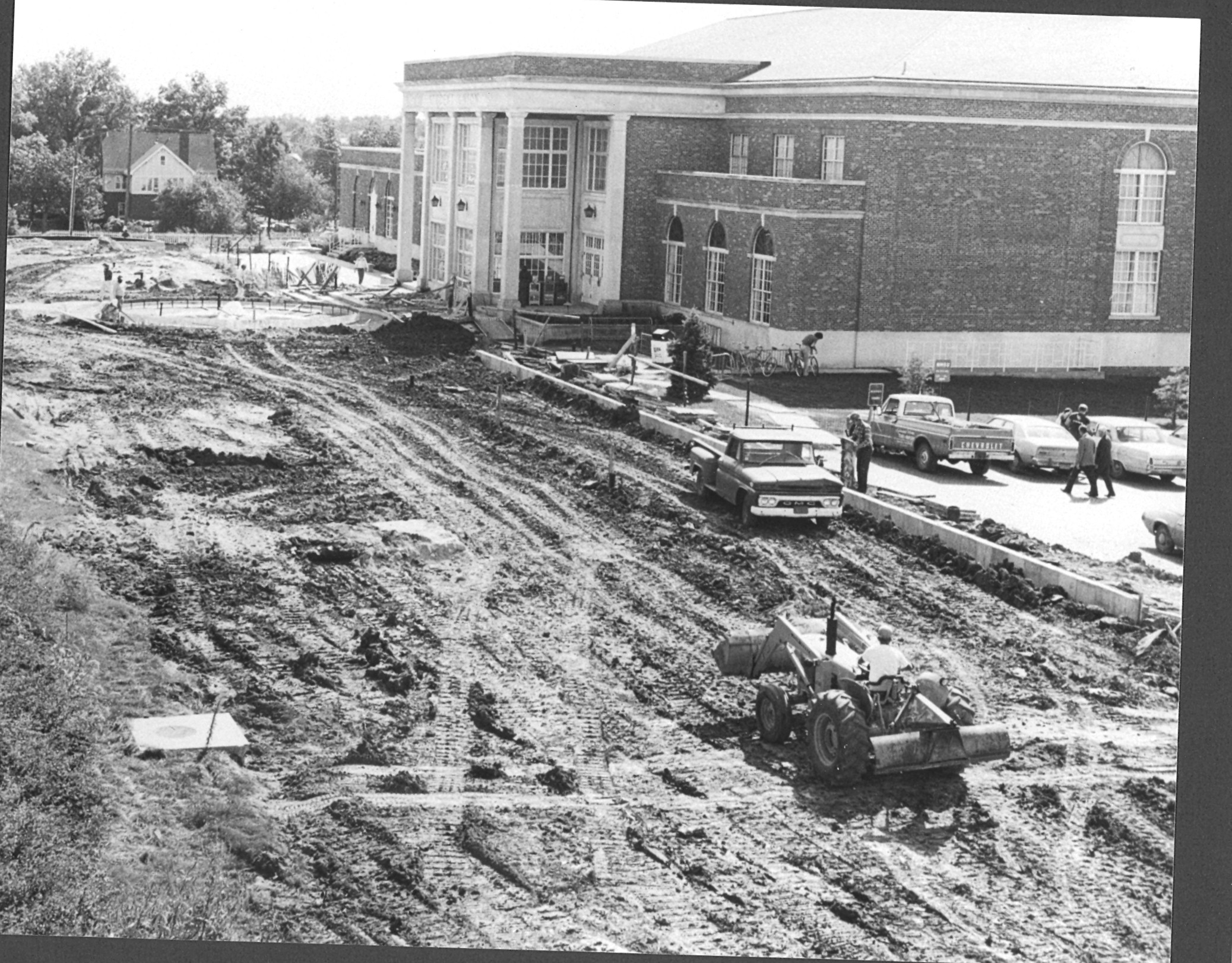
January 1973–Marion Street is closed and construction begins on the Mall. The Mall and fountain are completed in December of 1975.

September 1975–To commemorate the U.S. bicentennial celebration, Professor William Unger is commissioned by the University to paint a mural modeled off the artistic style of painter Thomas Hart Benton.

February 1984–A study of the feasibility and cost of renovating the Student Union begins. The study concludes that repair and renovation are needed in the building. Areas targeted in the renovation included roof repairs; masonry work; expansion of the University Bookstore; furnishings in the Georgian Room, the Quiet Lounge and the Snack Bar.

1986–The first phase of the renovation begins with the relocation of student media offices, including the Index, Echo and KNEU, from Laughlin Hall to the lower level of the Union. Later on, during renovations made during the 2000s, the student media offices are moved to Barnett Hall.

1990–Planning commences for the renovation of the Snack Bar and the Games Room area.

October 1991–The renovation of the Snack Bar is completed, and it is renamed Mainstreet Market. Improvements include new lighting and furnishings, reconfiguration of the serving area and the removal of the wall separating the windows and the dining area (formerly the Art Gallery).

Late 1991–The bowling lanes are removed from the lower level.

1993–The Board of Governors grants approval for the renovation of the Games Room area. On-site construction begins April 1.

February 1994–The University hosts a ribbon-cutting ceremony on Feb. 4 to celebrate the opening of the newly-renovated lower level. Improvements include a new Games Room area, multipurpose space, lounge seating, office space and student organization work areas.

2006–A new phase of renovations begins on the Student Union Building. Renovations to the Quiet Lounge include a new staircase and passenger elevator. A new entrance is added on the south side of the first floor. The Georgian Room is also renovated to allow the room to be sectioned off into three separate spaces.

September 2008–The Quiet Lounge is renamed the Hub after student Libby Piel wins the University contest to rename the room.

October 2012–The Student Union Building celebrates its 45th anniversary.

 Maybe Unknown (to You) Facts

  • The Student Union officially opened at 10 a.m. on Oct. 20, 1967, under the direction of Kenneth Sykes, who was the director for the next 12 years.
  • A four-chair barbershop was located on the first floor when the Student Union opened in 1967.
  • A dress code was enforced when the Student Union opened. Men were required to wear slacks, and women were required to wear dresses or sweaters and skirts in the dining areas.
  • A copper box, placed in a niche of the SUB’s cornerstone, contained a number of items including newspaper articles about the Student Union Building.

1960s_SUB7

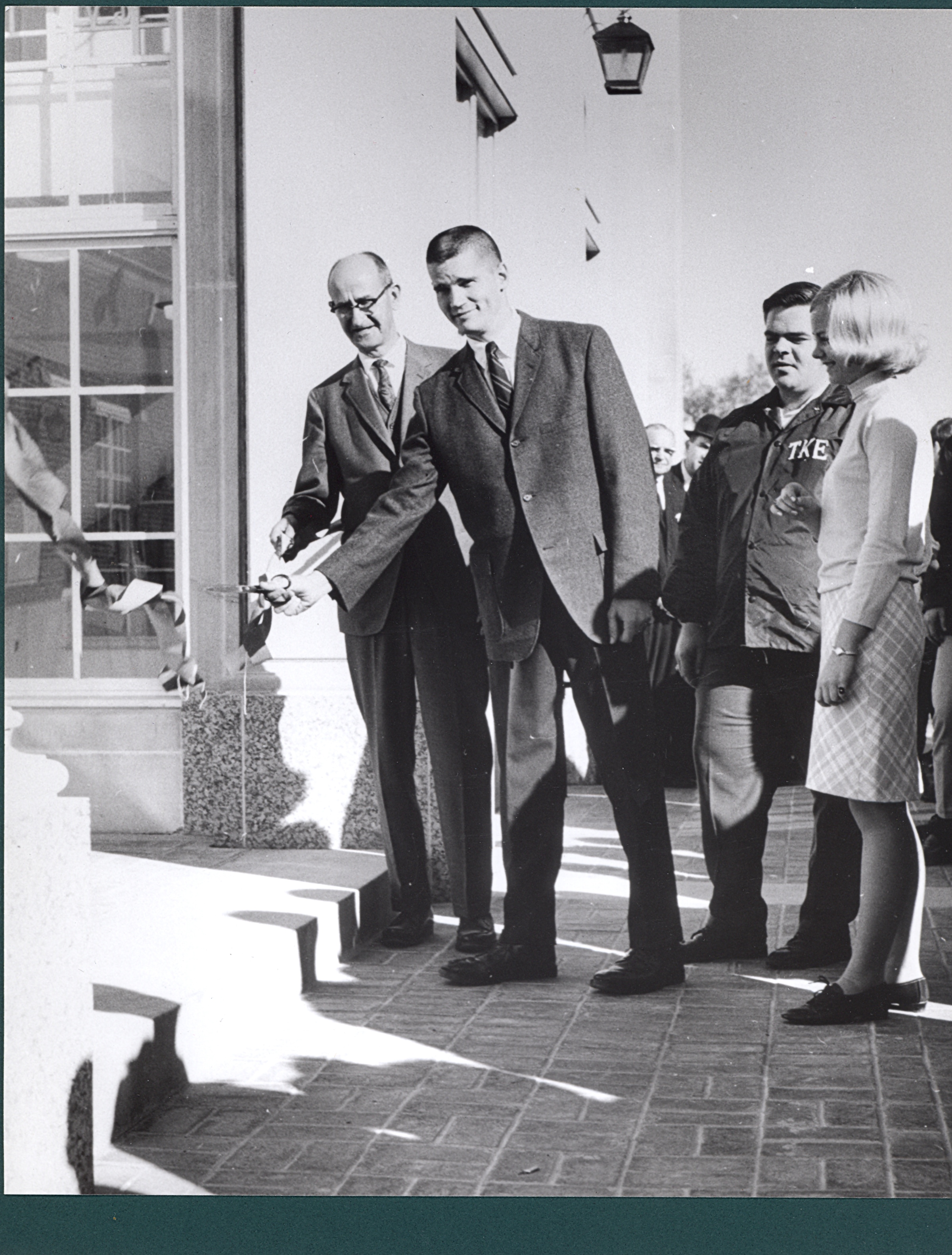
Student Union Director Kenneth Sykes and Student Council President Jack Wright at the Student Union ribbon-cutting ceremony in October 1967.

1960s_1968Echo_Pg_SpanishRm

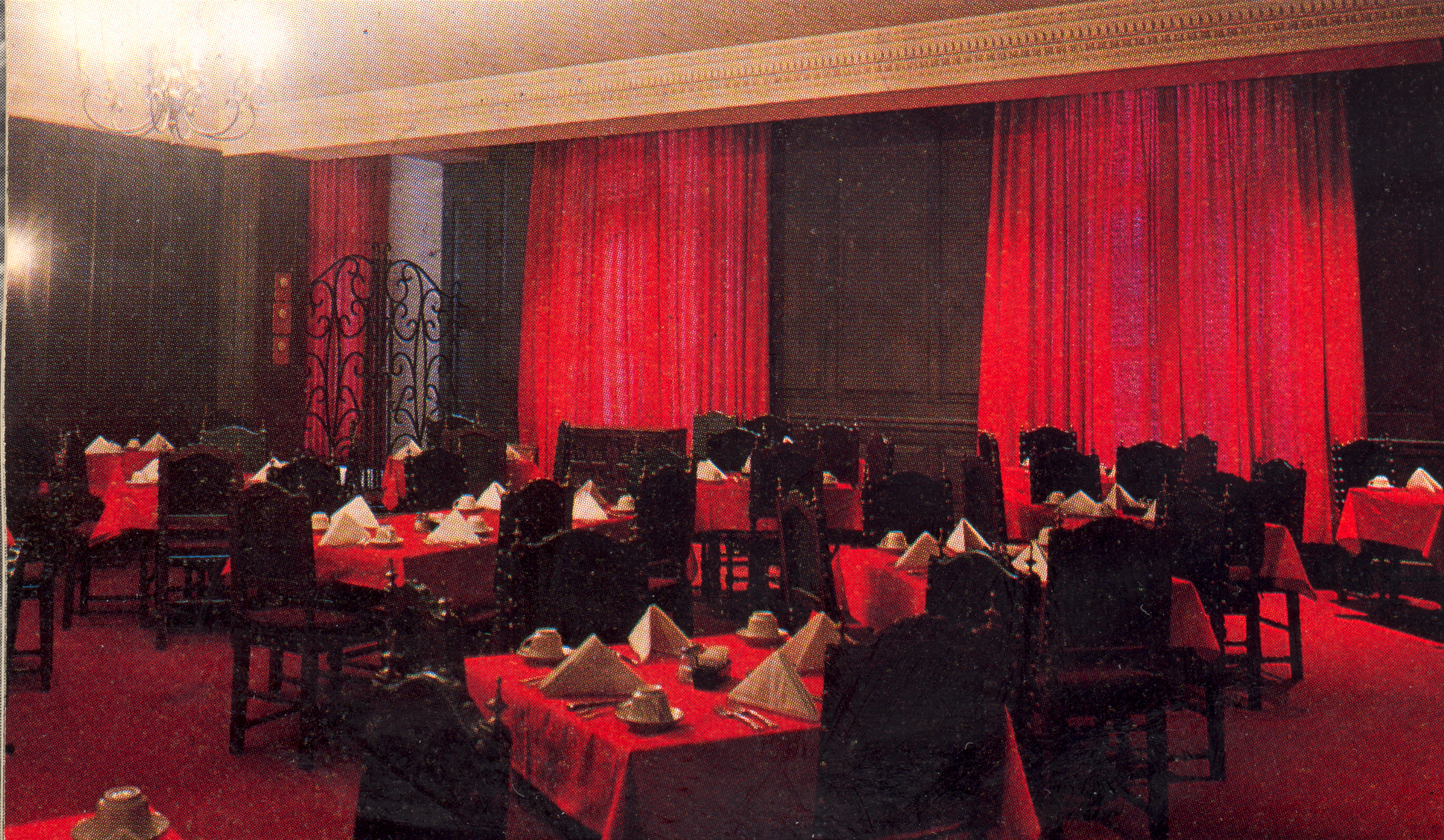
The Spanish room was a dining area in the SUB with seating for 64 guests. The chairs were imported from Spain, and the small chandeliers were designed in Mexico. Guests entered through a 12-foot wrought-iron gate shown in the upper left corner of the photo.

1960S_SUB9
Have a favorite memory of the Student Union Building?
Send your story or photos to alumniandfriends@truman.edu.

Bethany Williams (’13) contributed to this article.