Archives

NEMO Named Chapter of the Year

The Northeast Missouri Alumni Chapter was selected by the Executive Committee of the Truman Alumni Board of Directors to receive the 2012 Alumni Chapter of the Year Award. The award recognizes the outstanding achievementsof the chapter in support of the Truman Alumni Association and the University.

The Northeast Missouri Alumni Chapter was recognized for its success in recruiting engaged volunteers who have planned strategies to increase membership and program participation. The chapter’s traditions include annual events such as a golf tournament at the Kirksville Country Club and a fall banquet with an auction held on campus each year; both events raise funds for the chapter’s scholarship, which was established in 2005 to assist Truman students from northeast Missouri.

The Alumni Chapter of the Year Award was presented to Northeast Missouri Alumni Chapter leaders at the Truman Alumni Leadership Conference held on campus Oct. 19, 2012, as part of the Homecoming activities. The Mid-Missouri Alumni Chapter was recognized as runner-up for the Chapter of the Year Award.

Save the Date Homecoming: Oct. 18-20

Has it been a while since your last time on campus? Come home to Truman for Homecoming weekend and reconnect with fellow alumni and friends. All alumni, families and friends are invited to campus to celebrate this annual tradition. Come see how the campus has changed, and we will help you re-live old memories and make some new ones. Plan to attend some favorite activities such as the Parade, 5K Race, Homecoming Celebration Banquet (includes Hall of Fame Induction Ceremony, Golden Alumni 50th Anniversary Diploma Ceremony & introduction of Homecoming honorees), Bulldog sporting events and receptions hosted by University departments and organizations.

Reach out to your friends and encourage them to attend Homecoming with you. For more details on Homecoming, visit alumni.truman.edu/Homecoming.asp.

Hire a Bulldog

You know the quality of a Truman education, and we are happy to advertise your career and internship opportunities for all Truman students to search at no cost to you. You’re invited to use “Experience,” the Career Center’s online job board, to view résumés, set up interviews on or off campus and search Truman students with active profiles.

You can also connect with students at Truman State University’s bi-annual Career Week and Career Expo. They welcome businesses, non-profits, government agencies, school districts and graduate and professional programs to attend. Activities for Career Week include professional speakers, employer presentations, information sessions, Expo exhibit tables, on-campus interviews and more.  It is a great way to get involved, reconnect and talk with some great students. The next Career Expo will be held on campus Oct. 2, 2013. For more information, visit career.truman.edu.

A Special Homecoming Invitation for the Class of 1963 and All Other Golden Alumni

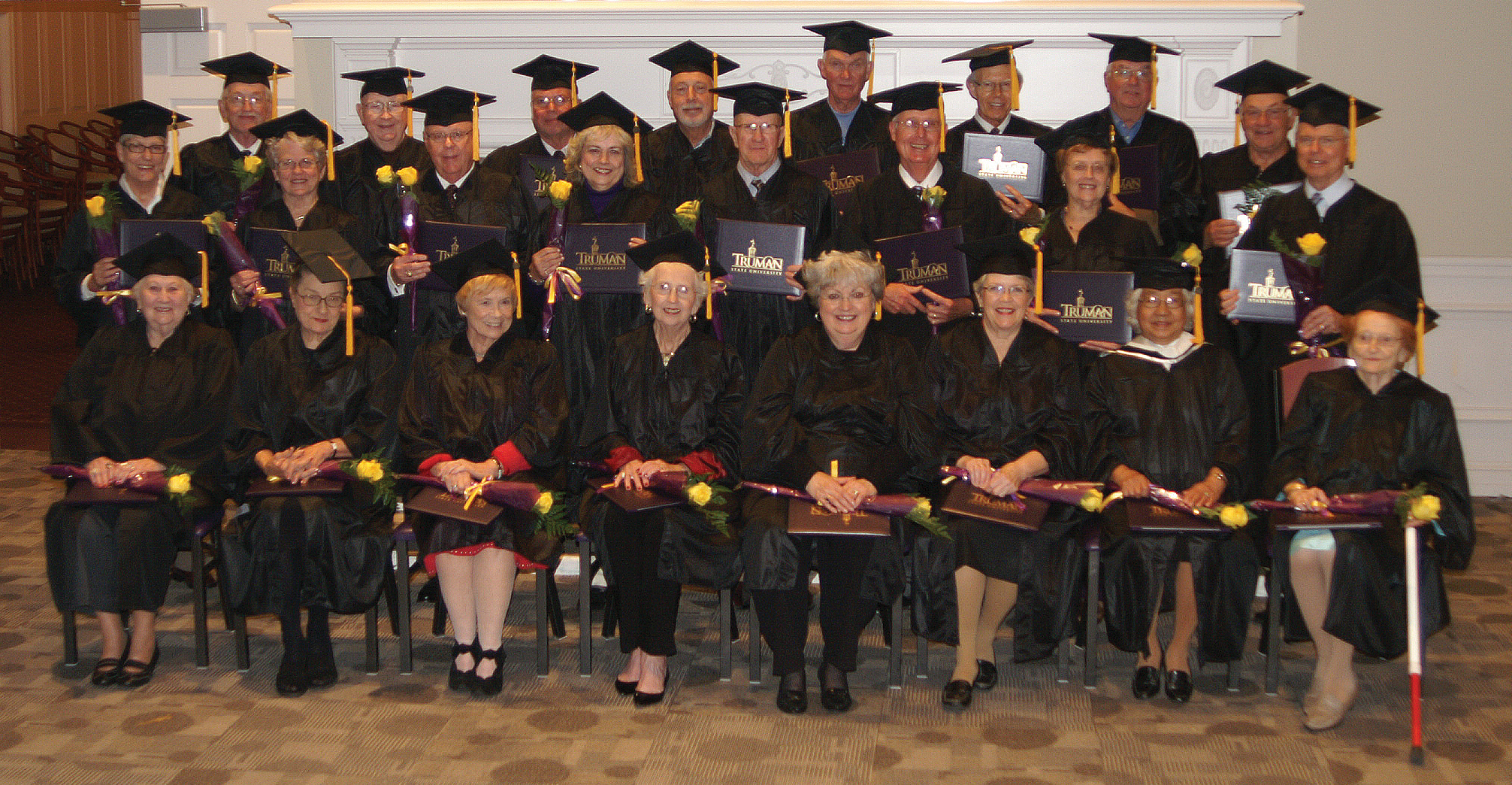
Last October during Homecoming 2012, several alumni put on a graduation cap and gown and received a commemorative diploma presented by President Troy Paino as part of the annual Golden Alumni Diploma Ceremony.

Last October during Homecoming 2012, several alumni put on a graduation cap and gown and received a commemorative diploma presented by President Troy Paino as part of the annual Golden Alumni Diploma Ceremony.

If you graduated from Truman in 1963 or earlier, you are invited to a couple of special events that will take place during Homecoming 2013. On Friday evening, Oct. 18, at the Homecoming Celebration Banquet held in the Student Union Building, all alumni who graduated 50 years ago will have a chance to put on a graduation cap and gown and participate in the annual Golden Alumni Diploma Ceremony; participants in the ceremony receive a commemorative diploma presented by University President Troy Paino. If you missed the Golden Alumni Diploma Ceremony for the 50-year anniversary for your graduation year, you are invited to participate this year. All alumni who participate in the Golden Alumni Diploma Ceremony can receive a complimentary ticket for the Homecoming Celebration Banquet; additional tickets are $20 for adults and $10 for children age 12 and under.

That same weekend, you and your guests are also invited to the Golden Alumni Reunion Luncheon on Saturday, Oct. 19, in the Student Union. Tickets for the luncheon
are $10 for adults and $7 for children age 12 and under.

This summer, watch your mail for details or contact Truman’s Office of Advancement, (800) 452-6678 or (660) 785-4133. Details and registration information for all Homecoming events will be posted online at alumni.truman.edu/Homecoming.asp.

Alumni Encouraged to Join Nearest Chapter

If you live near one of Truman’s 10 regional alumni chapters, you need to join your local alumni chapter. Alumni chapters are located in the following regions: Arizona, Chicago, Colorado, Dallas, Iowa, Kansas City, Mid-Atlantic (Washington, D.C. area), Mid-Missouri, Northeast Missouri and St. Louis. Each chapter sponsors a variety of activities, and membership includes travel discounts and other benefits. A single membership is $20 and a joint membership is $30 (current Truman students and alumni who graduated within the past 12 months can join for half-price). Sign up today at alumni.truman.edu/membership.

NEMO Chapter Honors Whitney Family

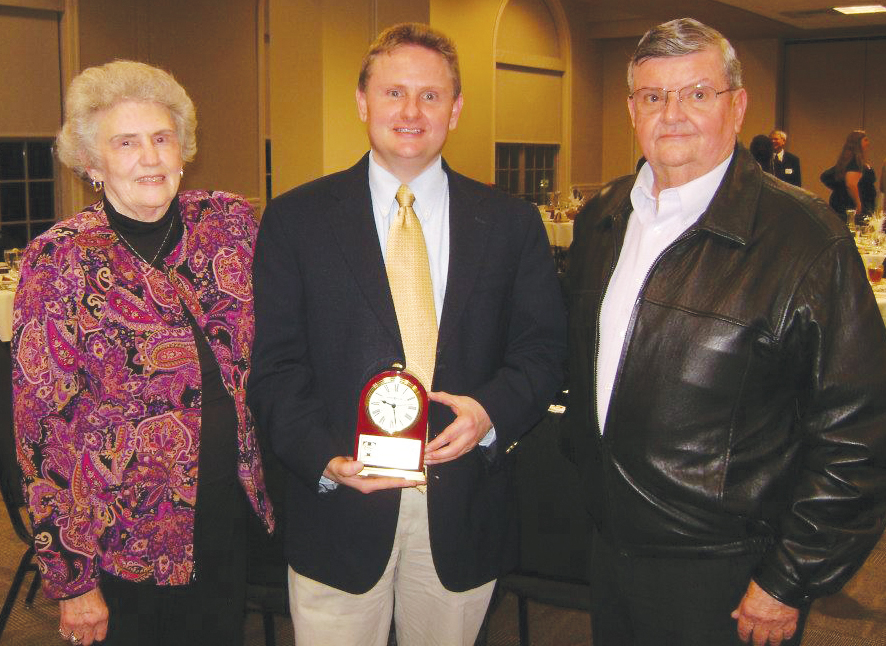
During the Northeast Missouri Alumni Chapter Annual Banquet and Auction held on campus Nov. 15, 2012, the chapter’s Bulldog Forever Award was presented to the Whitney family. The award recognizes service to Truman, and the chapter honored the Whitney family for their continued support for the NEMO Alumni Chapter, the Arizona Alumni Chapter and the University.

Shown left to right: Alta (Carson) Whitney (’59), Mark Whitney and Larry Whitney (’59). Not pictured: Mike Whitney (’94) and his wife, Laura, of Scottsdale, Ariz.

Shown left to right: Alta (Carson) Whitney (’59), Mark Whitney and Larry Whitney (’59). Not pictured: Mike Whitney (’94) and his wife, Laura, of Scottsdale, Ariz.

2012 Alumni Award Honorees

Several alumni awards were presented at the Alumni and Friends/Hall of Fame Banquet during Homecoming on Oct. 19, 2012.

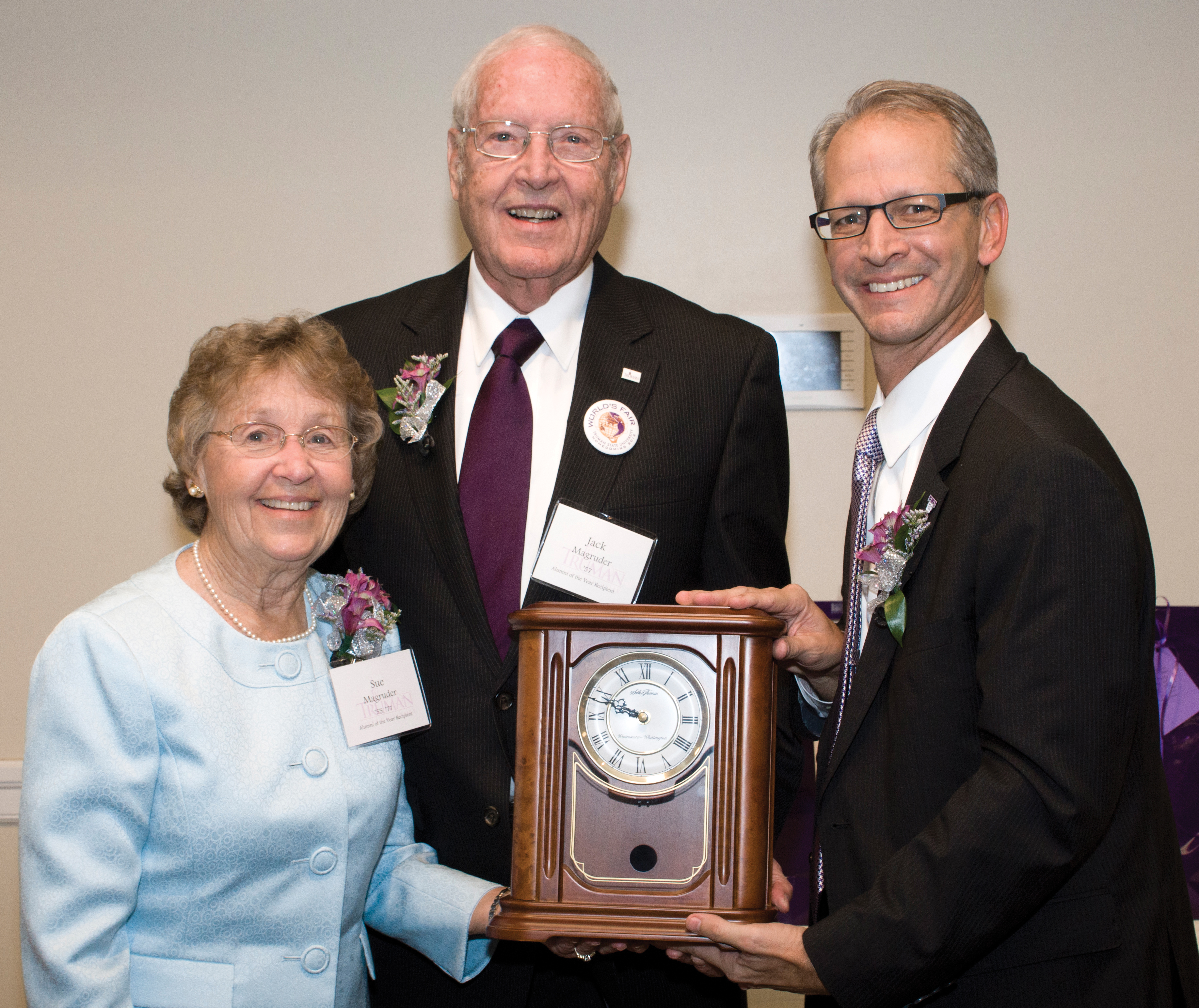
JackSueMagruder_HC2012-WEB

Alumni of the Year: Jack Magruder (’57) & Sue (Brimer) Magruder (’55, ’77), shown with President
Troy D. Paino (on right)

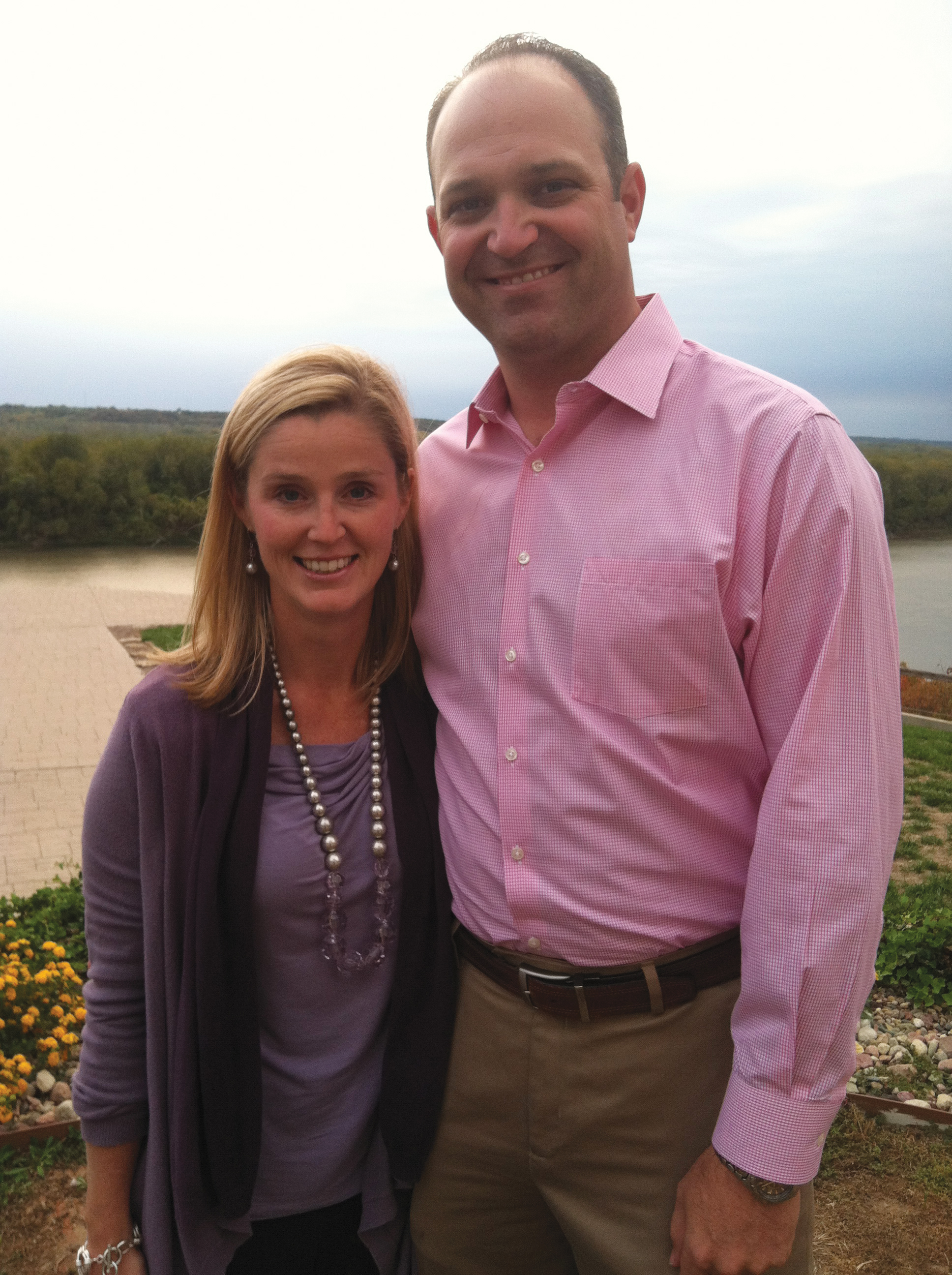
McCubbins_2012-WEB

Young Alumni of the Year: Mindy (Frick) McCubbin (’97) & Travis McCubbin (’97)

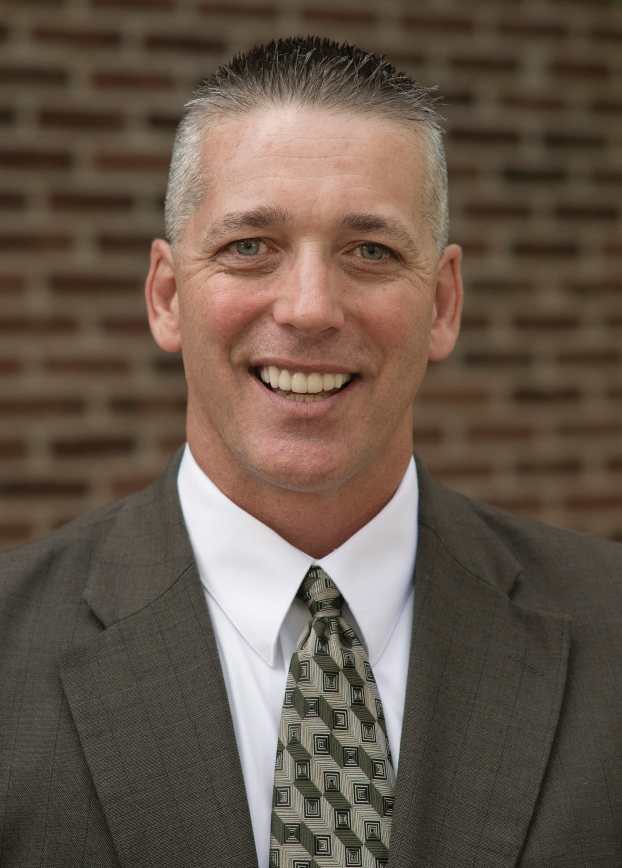
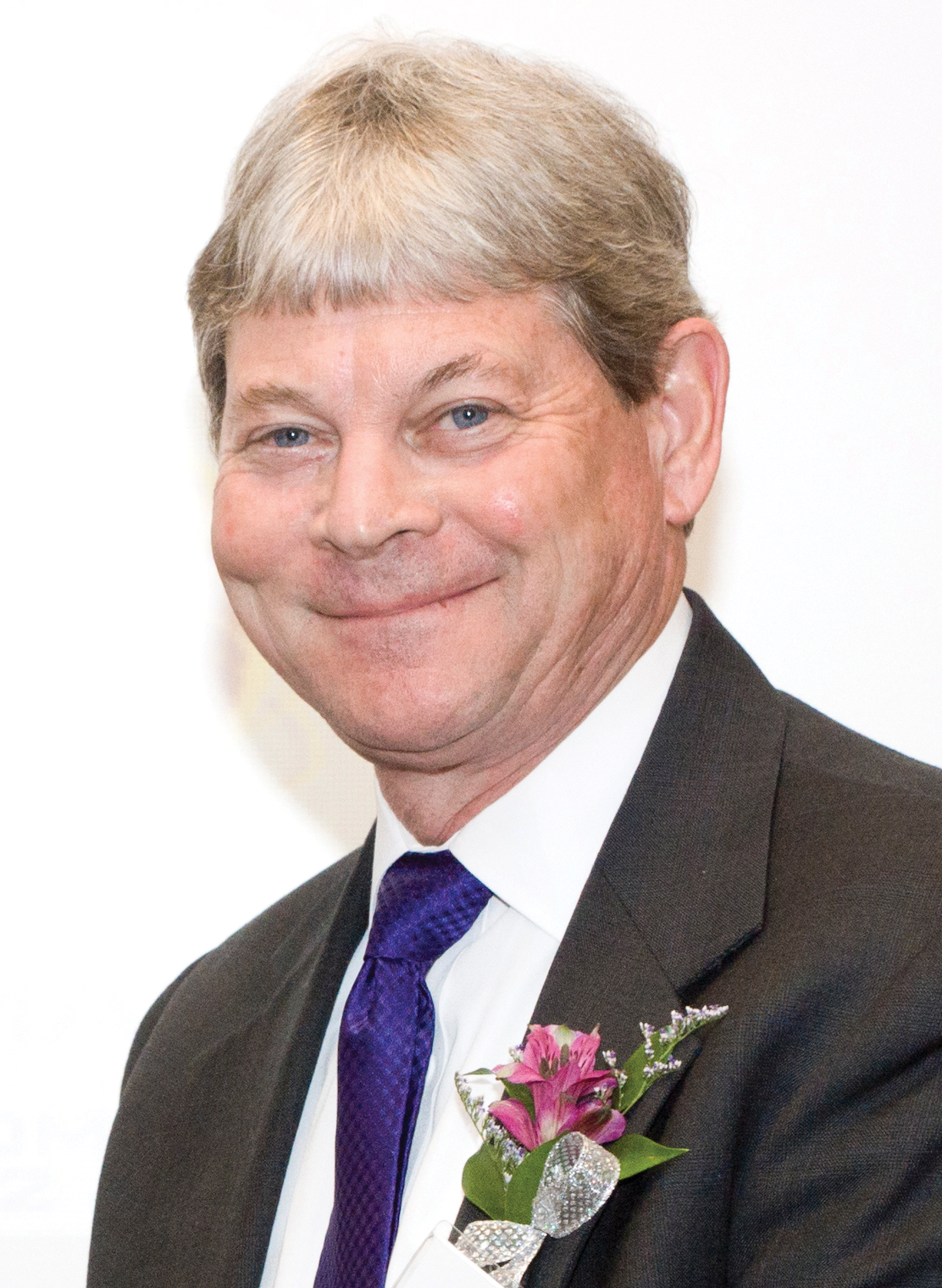
Distinguished Service Award: Jim Bergman (’90)

Distinguished Service Award: Jim Bergman (’90)

Bulldog Forever Volunteer of the Year Award: Will Sass (’72, ’77)

Bulldog Forever Volunteer of the Year Award: Will Sass (’72, ’77)

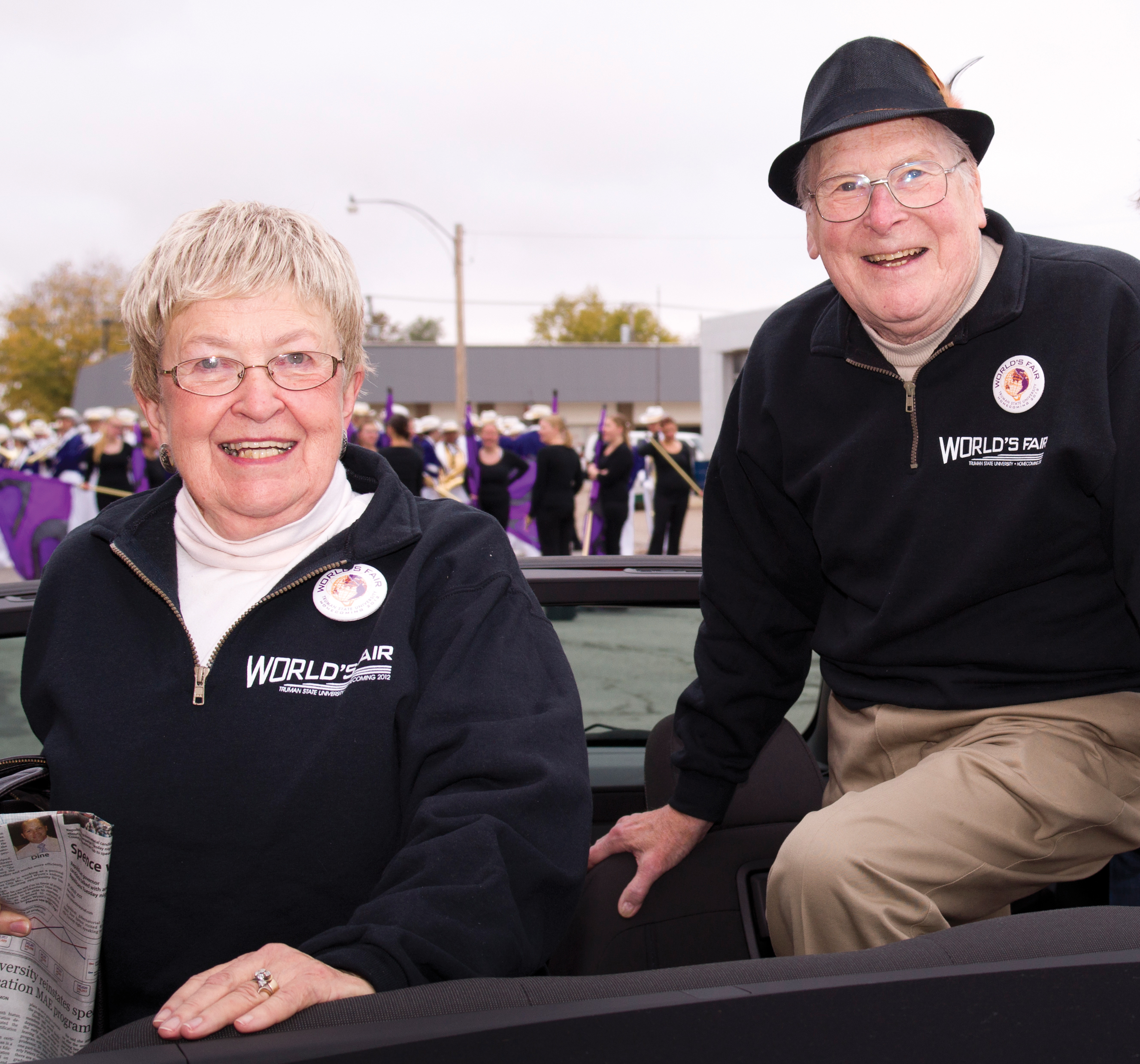
Homecoming 2012 Parade Grand Marshals Ed Carpenter & Nettie (Brown) Carpenter (’76)

Homecoming 2012 Parade Grand Marshals Ed Carpenter & Nettie (Brown) Carpenter (’76)

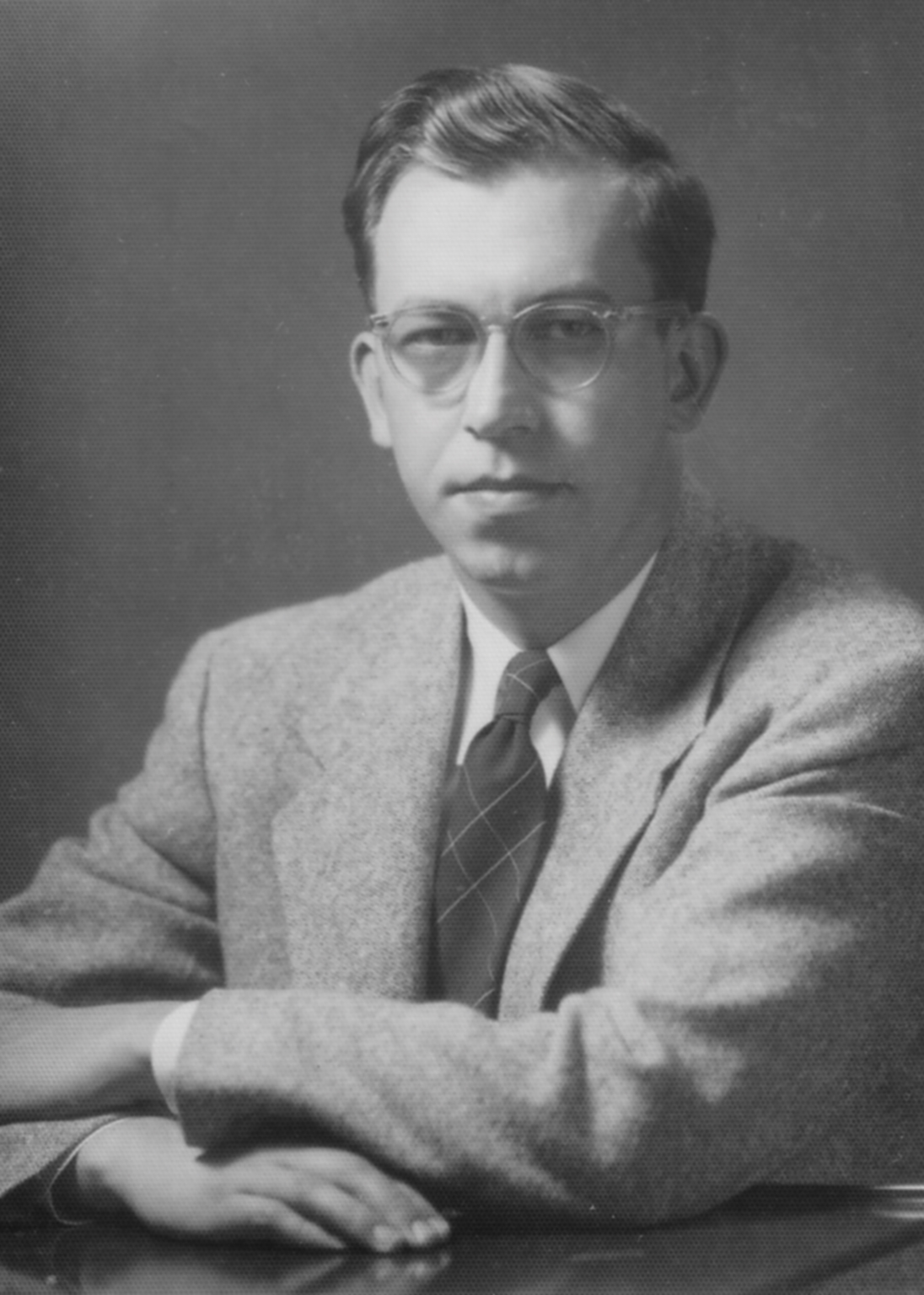
Tom Vernon Ritchie, Professor Emeritus of Music

Ritchie_Tom
Tom Vernon Ritchie

Tom Vernon Ritchie, professor emeritus of music at Truman State University, died Feb. 20, 2013, in Bloomington, Ind. He was 90 years old.

He spent the final years doing what he enjoyed most—writing music and attending opera and other musical performances at the IU Jacobs School of Music. Ritchie was a professor of music theory and composition for more than 40 years. He also was a professional concert pipe organist and held associate certification from the American Guild of Organists. Prior to joining the faculty at Truman, he was chairman of the Music Department at Drury College and taught at Wichita State. For nearly three decades, students from south-central Iowa and north-central Missouri who wanted to teach music enrolled in his classes.

In 2008, more than 60 faculty members, former students and friends paid tribute to him during an alumni reunion at Truman where they performed more than a dozen of his works.
In addition to his classroom duties, Ritchie composed the music and wrote the libretto for the opera, “The Children of Hamelin,” based on the Robert Browning poem, “The Pied Piper of Hamelin.” The opera premiered at Truman in 1981. He also composed numerous works for voice, chorus, piano, woodwinds and brass.

Ritchie was a World War II veteran. He enlisted in the United States Navy in 1942. After training in amphibious assault at Fort Pierce, Fla., he commanded several landing craft during the invasion of Iwo Jima in 1944, landing Marines of the Fourth Division on the first morning of the battle. He was also present at the landings on Okinawa. Ritchie was deployed to the invasion fleet for Japan before the atomic bomb was dropped on Hiroshima in 1945.

His children have established the Tom V. Ritchie Memorial Scholarship Fund at Truman State University.

Two Years in Mongolia

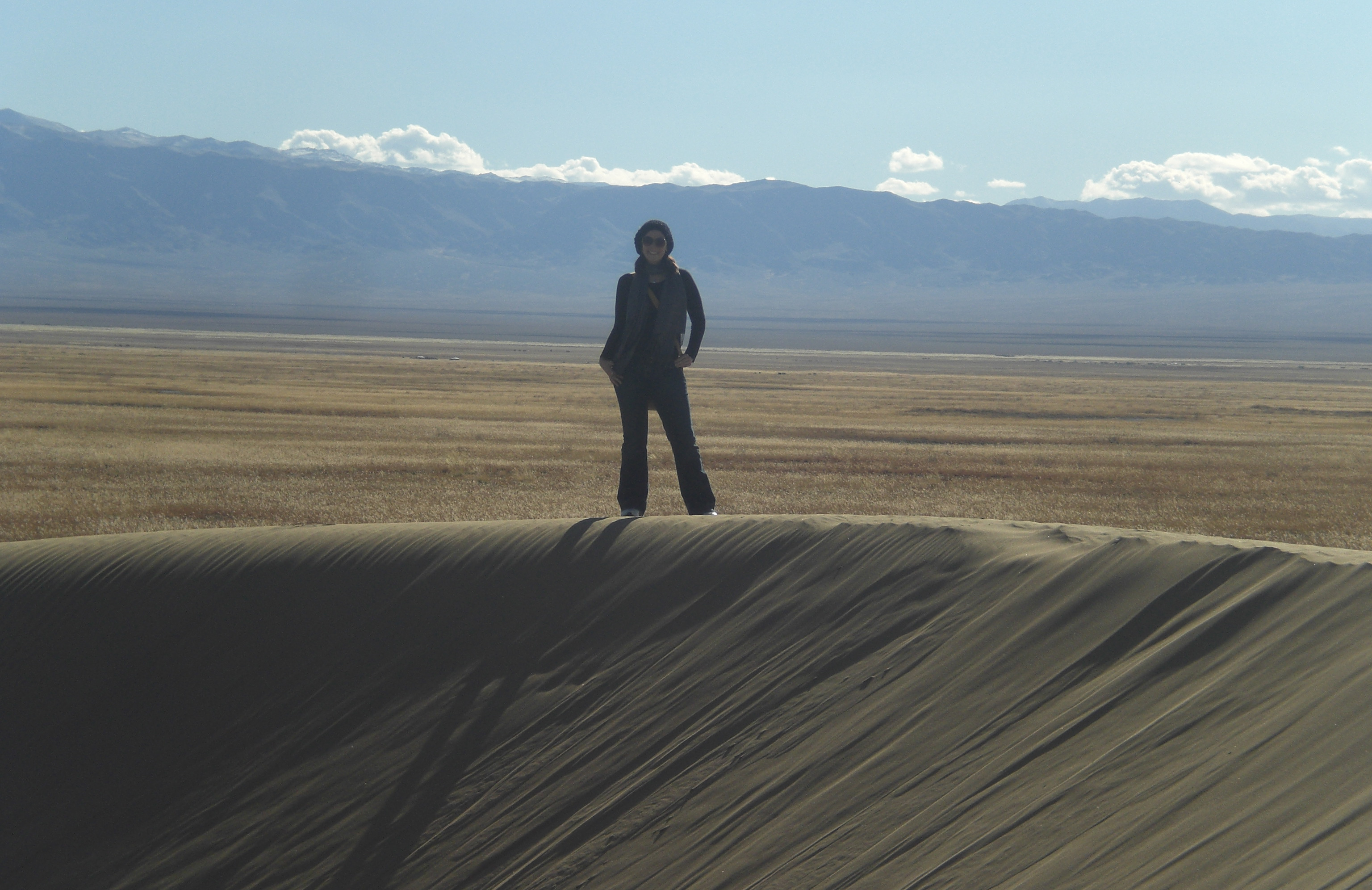
Alyssa Vorhies (’09) gives an insider’s view of her Peace Corps experience living in one of the most sparsely populated countries in the world.
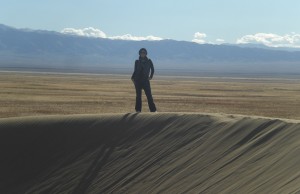
Alyssa Vorhies (’09)

Alyssa Vorhies (’09)

For many people across the United States, a kitchen without a microwave; a town without Internet or cellphone service; a state without roads; and a home without a shower, hot water or even running water seem unimaginable; but for me it was just another day in a place I called home. This unfathomable world, this place, this country, was my home in Mongolia during my two years as a volunteer in the United States Peace Corps.

I could write for days about the interesting culture, the temperatures that (not uncommonly) hit averages of -40 degrees Fahrenheit in the winter, the struggles that come with a language barrier, the travel snafus and painfully long rides over open unpaved land . . . but today I will write instead about something as simple as a shower.

In Mongolia there are primarily three types of housing: apartments, wooden houses and gers (also commonly referred to in Western nations as yurts—sturdy round tents serving as a home for nomadic cultures). Wooden houses and gers virtually never have running water; typically apartments have running water, but no shower or water heater.

I spent my first three months in Mongolia living in a ger during training. I, of course, did not have running water and would take water from the well in a large barrel and then wheel it to my ger. After the first three months, I moved into an apartment for the remainder of my service. There I had ice-cold running water, a sink and a toilet, but no tub or shower. The town in which I trained did not have a shower house, and the town where I spent the remainder of my service had a shower house, but it was often closed or not working, so I spent the first six months of my service boiling water over a fire or stove, pouring it into a round bucket/basin called a tumpon and sponge bathing.

I can only compare the feeling of tumpon bathing to swimming on a cool summer night, meaning that while the water may be warm, as soon as you are no longer submerged and your wet skin is exposed to the air, you are freezing. This is how the entirety of a tumpon bath feels: wet skin, warm water, cold air.

Halfway through my first winter, the shower house in my province began working, and I decided to forego the misery of the tumpon bath. I turned to the shower house for my weekly shower. Yes, you read that correctly, weekly shower. Volunteers without showers commonly turn to showering once per week (or sometimes less) due to its difficulty. Do not mistake me, we maintain hygiene, we freshen up between, we wash our hair, but as for a full-on shower, it is common for a volunteer to trek to the shower house only about three to four times a month.

While a trip to the shower house is a full shower, it is still the furthest thing from an enjoyable experience. Imagine bundling up in all of the layers you own. After all, it is -40 degrees outside, and you are about to take a walk across town. So, you put on your obligatory three pairs of pants, three shirts, jacket, winter coat, ear muffs and hat, gloves, scarf and boots and head out the door on a 15-minute walk. Upon arriving at the shower house, located in a dark, deteriorating basement of a store, you join 20 other Mongolians on a bench to wait your turn. This can take hours.

Finally, it is your turn; you pay your money and are taken to your room. You are then locked in from the outside and become concerned that one of two things will happen: either someone will open the door prematurely to your room while you are mid-scrub or you will knock when you are finished and no one will hear you. The entire room is small and wet and dimly lit by a lone light-bulb swinging from a splitting wire.

Now you must perform your first set of ‘shower acrobatics’ and attempt to remove your clothing without letting any part of your clothes touch the floor or walls­—balancing on one foot at a time, you tug at layer after layer of clothing. Then, the shower begins. The water might be hot, but likely it is lukewarm or even more likely room temperature. The water might have decent pressure, but likely it is a trickle, and it is definitely not going to be high-pressured. The floor is made of slippery tile so you constantly battle to keep your footing.

Finally, you are finished with your shower, and the time has come for you to redress, but the entire room is wet. You have to put your clothes back on, while never letting your pant legs touch the floor—and, you are not doing this for one layer of clothing, but rather for three. Once dressed, you stand at the door and pound, and pound, and pound until a worker comes and lets you out. Then with cold, wet hair, you head back out into the -40 degree weather to walk the 15-minute trek home.

Through my time in the Peace Corps, I learned many lessons of appreciation, patience, cultural understanding and more; and I feel confident that the lesson to appreciate a warm shower will continue to stay with me during my stateside life.

A Tribute to Michael G. Davis, Professor Emeritus of Anthropology

By Tim Sandfort (’00)

The late Michael G. Davis

The late Michael G. Davis

It was with great sadness that I learned of Dr. Davis’ passing. Although I was not often in contact with him in recent years, I will miss him greatly. He played a pivotal role in my academic direction and current career.

Over the course of his career, Dr. Davis introduced me—and thousands of other students—to an amazing discipline called anthropology. Anthropology is a holistic study of human culture subdivided into the fields of sociocultural, linguistic, archaeological and biological (or physical) anthropology. In practice, it distinguishes between ethnography (participant observation) and ethnology (cultural comparison). Students in the classroom and practitioners in the field are frequently challenged to observe, record and understand other cultures without looking through the lens of their own. This is much more difficult than it sounds, especially when studying a culture with far different communication, religious, sexual or warfare practices. Anthropologists are asked to record and interpret, not evaluate.

Introduction to Anthropology (SOAN 191) was the very first class I attended at Truman in August 1995. The course was randomly assigned to fulfill a social science elective credit toward my then-undeclared degree. In my first semester with him, Dr. Davis became one of my favorite professors, and I think I eventually took every course he instructed. His understated, easygoing personality was contrasted by brilliant, free-ranging subject mastery and complemented with dry wit to educate students with storytelling, films and applied learning alongside textbook theory. One of his best fieldwork anecdotes included building rapport with Native American tribesmen by joining them for high-speed rides around their reservation in the back of a pickup truck. Dr. Davis encouraged critical thinking and confrontation of unconscious biases (“Did you ever stop to think about which thumb goes on top when you fold your hands or which foot you lead with when you climb the stairs? More importantly, did you ever ask why?”). He opened my mind to the subjective context in which culture immerses each of us; he helped me see that A and B are rarely connected by straight lines and revealed that even when answers seem right, sometimes questions are wrong.

Together, with Dr. Laura Zimmer-Tamakoshi, Dr. Davis challenged, inspired and elevated my learning—to the point that my randomly selected social science elective became a minor, then a major, and then a double major in anthropology. He suggested I investigate “corporate anthropology” as a rewarding real-world career alternative to master’s study and fieldwork. Fifteen years later, I am writing from the offices of Bazaarvoice, a high-tech company in Austin, Texas, that powers social ratings and reviews systems for more than 30 percent of the IR 500 (Internet Retailers). And my story is only one.

I was not a model student, and I will remember Dr. Davis for the many second chances he gave me—for the papers and courses he allowed me to finish after the official close of the semester. I will remember him for greeting me by name when I stopped by his office several years after I graduated. And I will remember him for the many times during lecture when he would lean back against the window, prop one leg underneath him and cross his arms. After a few minutes speaking like this, he would often pause for a good 15 seconds, look at his feet and then at the class, smile, and say, “That’s it, folks. All I have for today.”

The Truman community has lost a great instructor, an inspiring teacher and mentor and an irreplaceable friend.