Archives

Kirk Renovation to Bring Student Support Services Together, Provide Outreach to the Community

Truman will soon transform a campus landmark to bring together many student support services in one location.

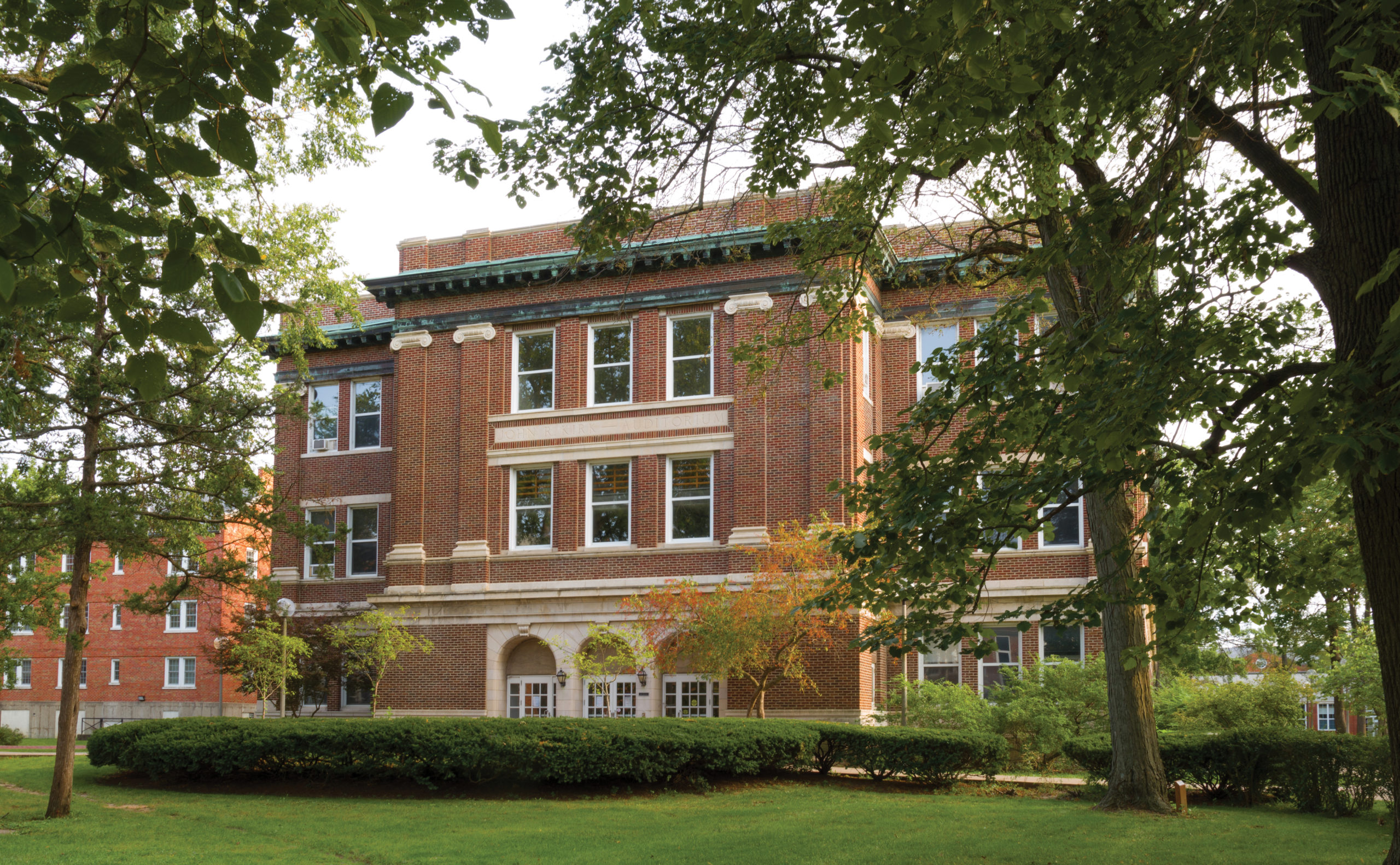
With financial assistance from the state of Missouri, Truman will renovate the Kirk Building to house a new Student Success Center. The center will employ a collaborative service model in which individual student service departments do not simply co-locate and deliver their services nearby to one another; but rather, work in coordination to meet students’ needs from entry to exit. The Student Success Center will be comprised of: the Career Center; Tutoring Services; the Student Health Center; University Counseling Services; Student Access and Disability Services; the Center for Academic Excellence; the Communication Lab; and the Writing Center.

In addition to housing the Student Success Center, the University will also use the updated facility to provide resources to the community, including workforce development outreach, rural telehealth counseling and academic outreach workshops.

The Sustained Knowledge of Integrated Lifelong Learning Skills (SKILLS) Center will build upon the services of the departments in the Student Success Center, making key services available to the local community. While area K-12 students would have access to tutoring and advising, adult learners might seek skills to assist with career advancement through non-credit workshops on topics such as digital literacy, computer applications and personal development. Truman students will have the opportunity to be trained to lead and support these community learning opportunities.

The SKILLS Center will look to collaborate with relevant community partners including: the city of Kirksville, Adair County and other municipalities and counties in the northeast Missouri region; Kirksville Regional Economic Development, Inc., and other regional economic development entities; the Missouri Division of Employment Security; and regional health care and social service providers.

The total estimated cost for the project is approximately $21 million. State support for the project comes in the form of $10.5 million through the American Rescue Plan Act that was recommended by Gov. Mike Parson during the State of the State address in January. The University plans to pursue grant funding and private donations to help meet its required portion of the funding.

If funding is approved by the Missouri General Assembly, design for renovation of the building is slated to begin in August 2022 with completion projected by December 2024.

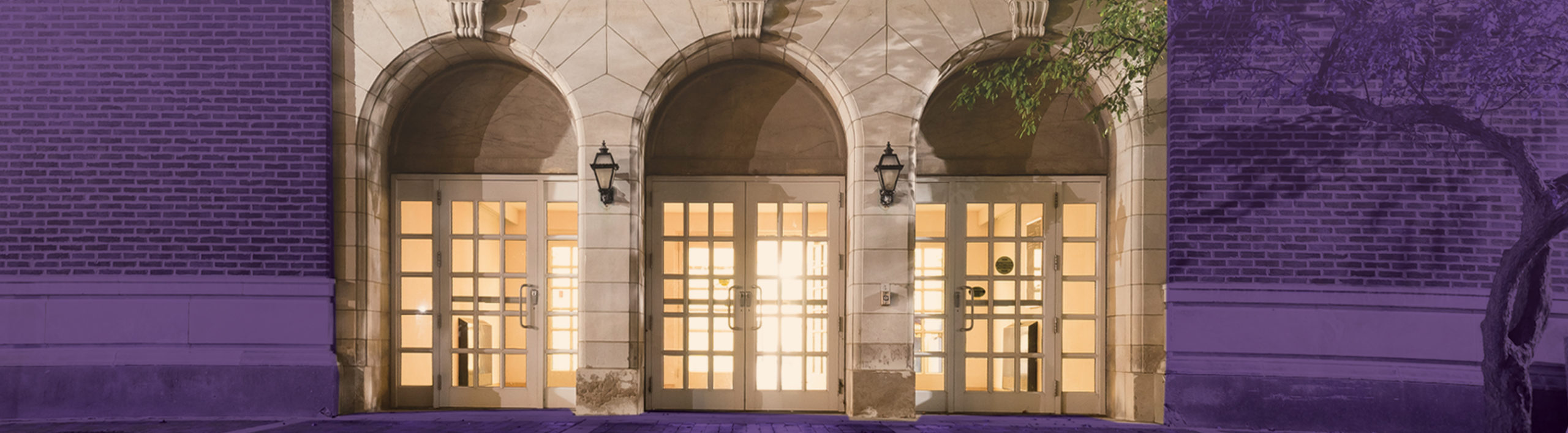
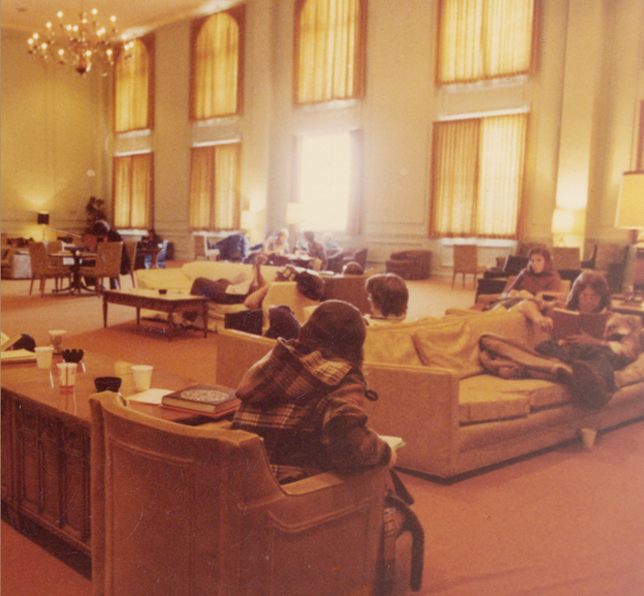
Constructed in 1923, Kirk Building is named in honor of John R. Kirk, an alumnus and the second-longest tenured president in University history. For generations of alumni, it is remembered as the social center of campus since it was the site of games, assemblies and events.

The Big Event Returns

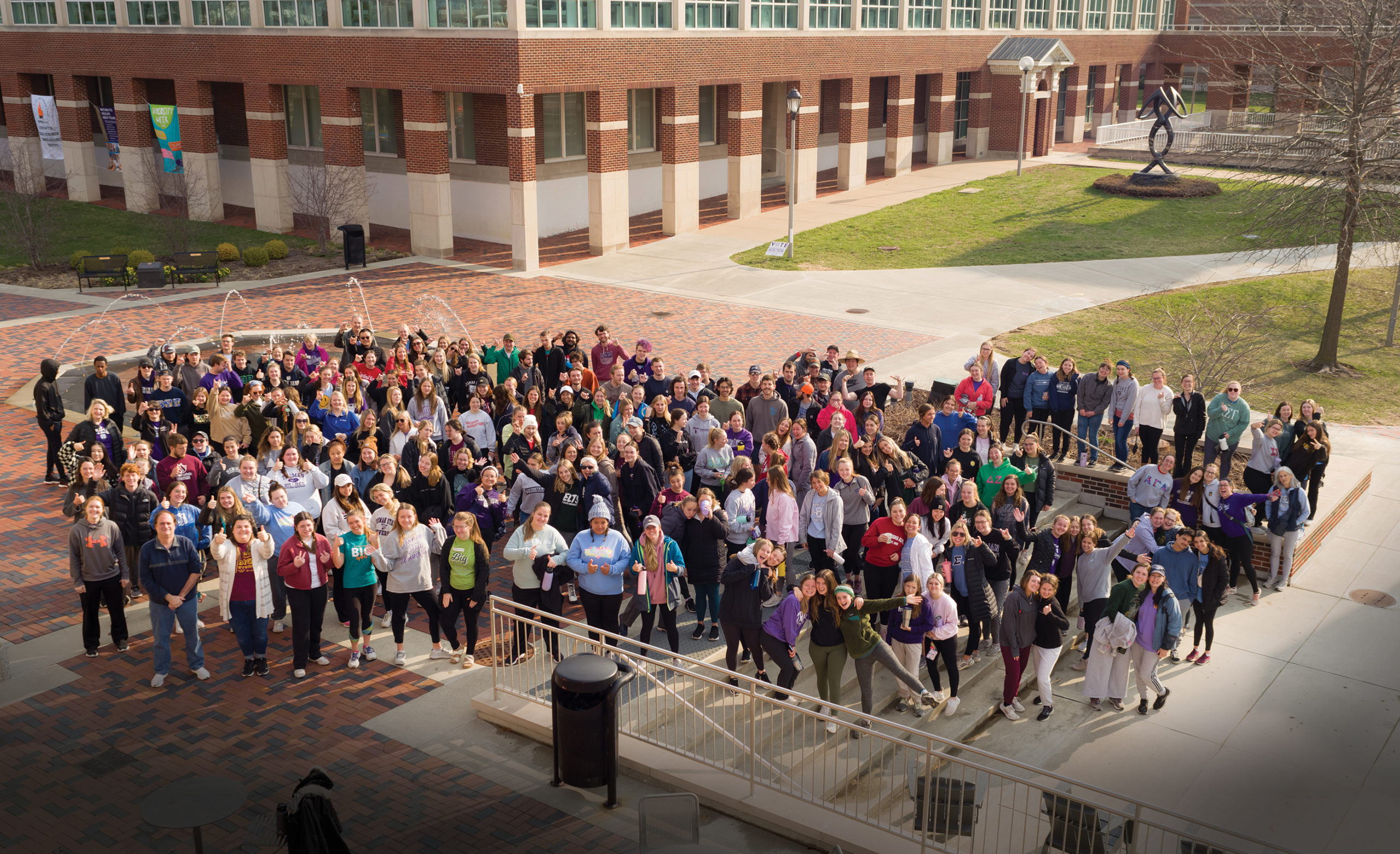
Hundreds of Truman students volunteered their time to participate in the first Big Event since 2019.

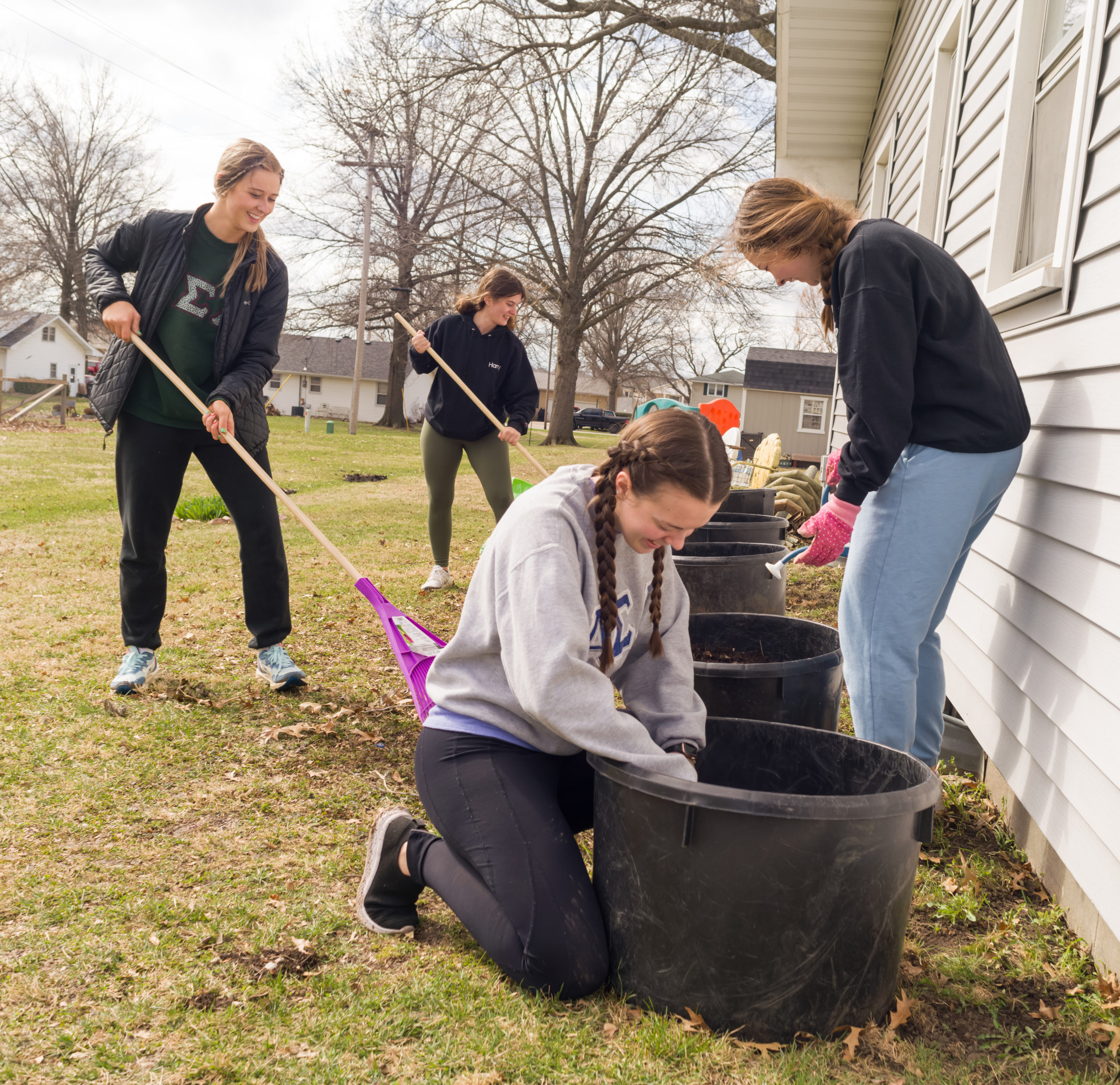
Through the help of the SERVE Center, students were matched with more than 60 job sites around town. The job sites included simple service acts such as trimming bushes, raking leaves and washing windows for residents of the community.

Junior business major Norah Grojean was excited to finally be able to take part in her first Big Event since arriving at Truman. The 2020 Big Event was canceled due to the pandemic, while the Big Event in 2021 was planned but canceled due to rain.

“My group was put in charge of raking leaves for a household. The family was extremely grateful, kind and even got us donuts to have a little snack break,” Grojean said. “They provided all the materials we needed to do the job and were always there for us if we needed to ask any questions.”

Created in 1982, the Big Event has become one of the largest one-day, student-run service projects hosted nationwide. It allows students to show their appreciation to the surrounding community for their continued support. Since hosting its first Big Event in 2001, Truman has continued to receive positive feedback from the Kirksville community. The SERVE Center often receives many calls from community members on how grateful they are for the services provided by students. Many of them say they had already expressed their gratitude to the students, but wanted to make sure the University was aware of how thankful they are for the help. Some also explain how they are no longer able to complete a lot of the tasks they seek assistance for, and if it were not for the students they would have to make other arrangements.

“My favorite part about participating in the Big Event is that I felt like I was truly making a difference in the lives of others right then and there,” Grojean said. “I loved feeling a part of a community that cares enough to give back to the city that gives so much to Truman and its students.”

Compost Project Partners with Local Schools to Fight Food Waste

Truman and the Kirksville School District are partnering to reduce food waste and contribute to locally grown produce.

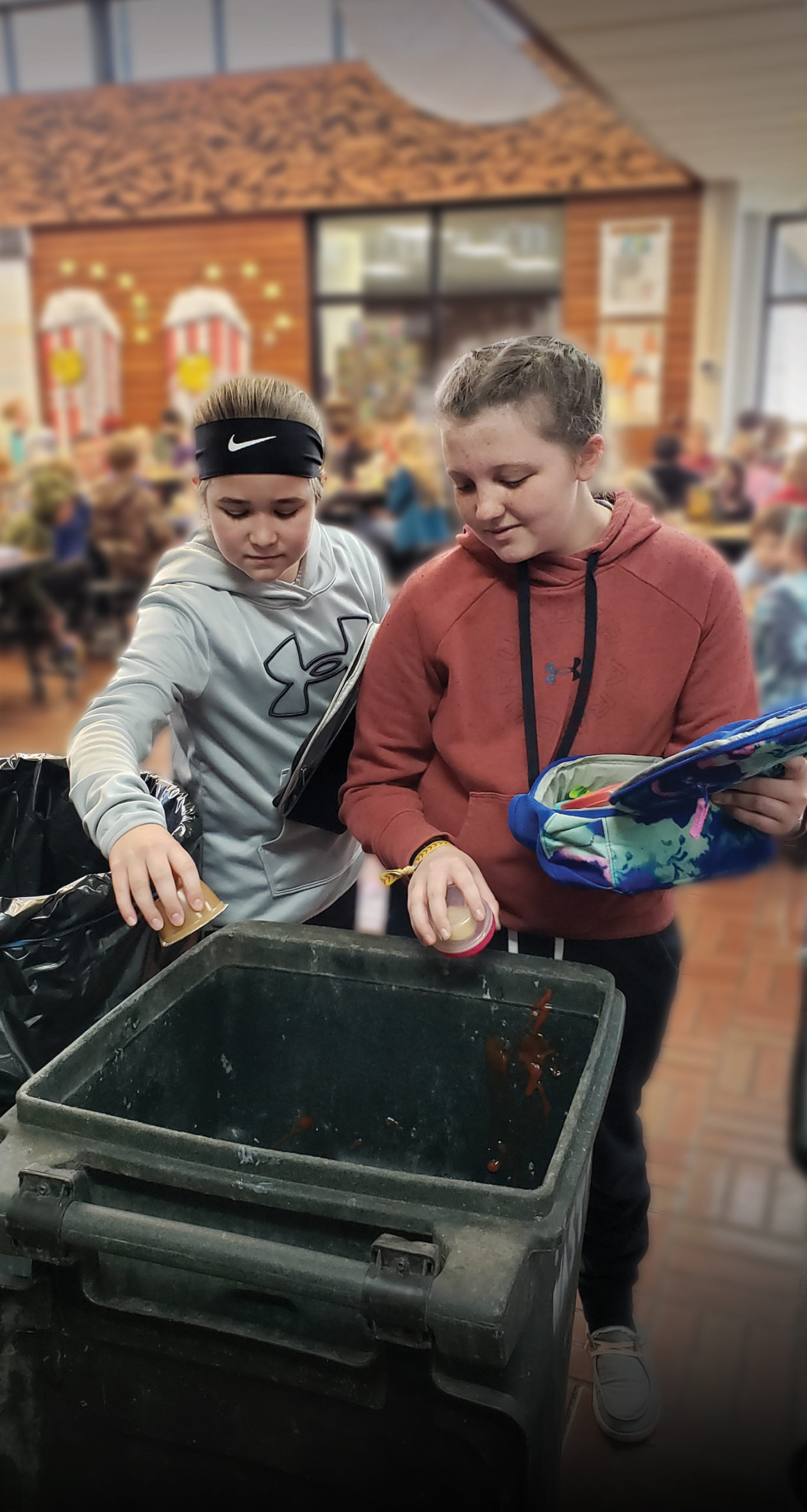
Since January, the Truman Compost Project has worked with students at Ray Miller Elementary to collect food scraps from the school. The materials are used at Truman’s University Farm to create finished compost, which in turn is donated back to Ray Miller Elementary for use in the school’s Outdoor Garden Classroom. The idea to expand the Truman Compost Project originated with Michael Seipel, chair of the Agricultural Science Department.

“I am passionate about reducing food waste,” Seipel said. “I thought that expanding the Truman Compost Project to include Kirksville public schools could help educate the community about the importance of reducing food waste through educating the community’s youth about food waste and composting.”

The partnership had been in the works since February 2020, but was put on hold at the onset of the pandemic. It was rekindled last fall when Tiffany Miller, the garden educator at Ray Miller Elementary, reached out to the Agricultural Science Department for some finished compost for the school’s garden in the fall. Representatives from both schools worked together to implement the program in January 2022.

Kelli Hunsicker, the outdoor education coordinator and a fifth grade teacher, hopes participating in the program will show Ray Miller students how they can limit their food waste by reusing it to help nourish new plants and vegetables.

“The best thing about our outdoor education program is that students get a new experience learning to grow their own food,” Hunsicker said. “Now that we have added the compost project, they can see the process of reusing our food to break down and make compost that will go back into the garden to grow new food.”

At the end of their lunch shift, children at Ray Miller Elementary separate compostable food scraps, napkins and paper towels from non-compostable trash. Twice a week Truman students visit the school to help with the process and pick up materials.

“The students were really excited when Mrs. Tiffany explained the project to them. They couldn’t wait to get started,” Hunsicker said. “It has been helpful that Truman students have been able to be here during lunch a few days a week to help students sort their lunch trays. Students are always willing to help other students figure out what needs to go where.”

Ray Miller Elementary will ultimately use the finished product in its Outdoor Garden Classroom, which grows different fruits and vegetables for use at the school. The district has a similar program at the primary school that might eventually join the collaboration.

“This is meant to be an ongoing partnership,” Seipel said. “If it is successful, and if the Compost Project has enough student labor and resources, we would like to expand it to other buildings in the Kirksville R-III District.”

Since its inception in 2004, the Truman Compost Project primarily collects food scraps from the campus dining halls and Student Union Building. The project also partners with Rot Riders, a student organization that offers to pick up food scraps from Kirksville residents for composting. A pre-pandemic student research project estimated the Truman Compost Project collected approximately 142,000 pounds of food scraps during the 2018 academic year. More information about the Truman Compost Project, including ways to get involved, can be found at compost.truman.edu.

Truman Recognized as a Top Producer of Fulbright Students

Truman was one of the colleges and universities that produced the most 2021-22 Fulbright U.S. students.

Each year the U.S. Department of State’s Bureau of Educational and Cultural Affairs (ECA) announces the top-producing institutions for the Fulbright Program, the U.S. government’s flagship international educational exchange program. The Chronicle of Higher Education publishes the lists annually.

Three students from Truman were named Fulbright finalists. They participated in English Language Teaching Assistantships during the 2021-22 academic year, serving as native-speaker experts in English-language classrooms in their host countries. The students and their host countries were: Karis Chapman, Germany; Ross Jones, Spain; and Taylor Libbert, Andorra.

Truman had seven Fulbright applications for 2021-22. In addition to three finalists, three other students – Peyton Bell, Chase Baker and Nick Puleo – were selected as alternates. This marks the third consecutive year Truman has been among the top master’s institutions for producing Fulbright students, and the seventh time in the past 12 years. Truman was the only Missouri school to be recognized on the master’s institutions list this year.

“Being a top Fulbright producer is a realization of Truman’s vision to develop educated citizens ‘through transformative experiences that foster critical thought, daring imagination and empathetic understanding of human experiences at home and around the world,’” said University President Sue Thomas. “It is a strong testament to our students’ excellence and the invaluable mentoring of our outstanding faculty.”

The Fulbright competition is administered at Truman by Jack Davis, associate professor of German, and Meg Edwards, associate professor of political science.

The Fulbright Program was established more than 75 years ago to increase mutual understanding between the people of the United States and the people of other countries. Fulbright is the world’s largest and most diverse international educational exchange program.

Since its inception in 1946, more than 400,000 people from all backgrounds – recent university graduates, teachers, scientists and researchers, artists and more – have participated in the Fulbright Program and returned to their home countries with an expanded worldview, a deep appreciation for their host country and its people, and a new network of colleagues and friends.

Fulbright alumni work to make a positive impact on their communities, sectors and the world and have included 40 heads of state or government, 61 Nobel Laureates, 89 Pulitzer Prize winners, 76 MacArthur Fellows and countless leaders and changemakers who carry forward the Fulbright mission of enhancing mutual understanding.

Fulbright is active in more than 160 countries worldwide and partners with participating governments, host institutions, corporations and foundations in foreign countries and in the United States. Many of these organizations also provide direct and indirect support.

Bulldogs to Compete in Digital Realm

This fall a new Truman team will compete under the Bulldog banner with the addition of a University sponsored esports team.

A committee consisting of faculty and staff from around campus worked through the academic year, researching, visiting sites and attending webinars in order to determine how Truman esports should look and operate. An esports facility will be housed in Barnett Hall and will come together over the summer months.

Truman esports teams may compete in, but would not be limited to, “League of Legends” and “Rocket League.”

“Esports have become very popular among colleges across the country,” said Jared Young, director of academic affairs operations. “Schools are using them not only as an extracurricular opportunity, but also as a recruitment tool. There is student demand for an esports team, and we want to be able to provide them that experience.”

An esports student survey conducted in the spring semester helped determine some of the initial plans for the esports team. Many details remain to be determined, but approximately 16 students are expected to make up the inaugural team.

New Center Serves Students

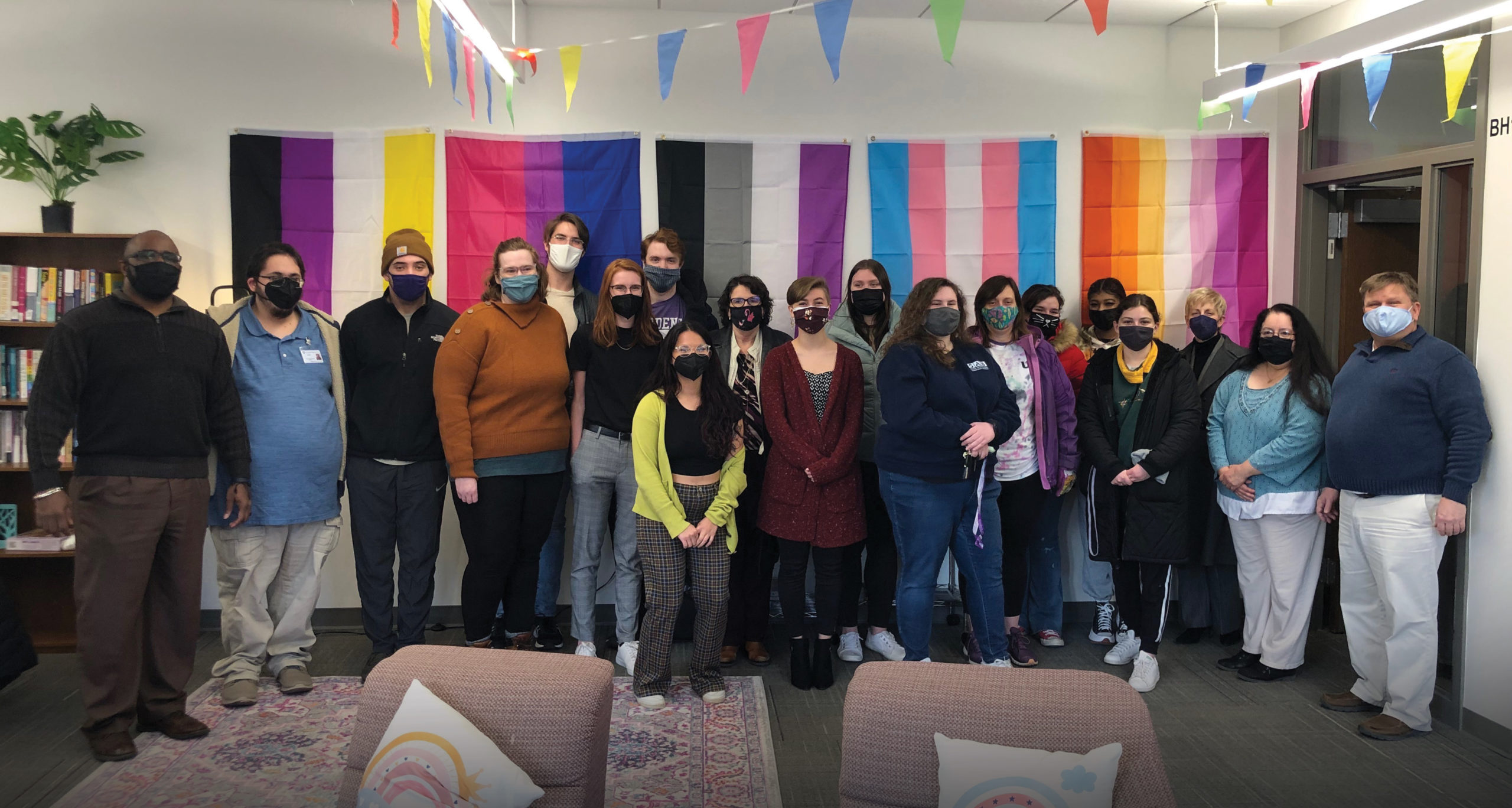
A Student Government project several years in the making became a reality this year with the opening of the LGBTQ+ Resource Center. Located in Baldwin Hall 101, this community space is equipped with books with LGBTQ+ resources, health materials and volunteers. Student Government, SAB and the LGBTQ+ Resource Center advisory board hosted a housewarming party in April to celebrate the center being open.

Choose Wisely

Esther Lee picked Truman because she knew a smaller school would provide more opportunities for growth. She’s grateful for the support she has received and plans to pay it forward whenever possible.

Esther Lee is so involved on campus it’s easy to wonder how she finds time for all of her interests. She is the president of the Community of College Entrepreneurs. She previously served as a senior vice president for the co-ed business fraternity Delta Sigma Pi and is currently the organization’s diversity coordinator. Even though she is a business administration major, with a concentration in marketing, Lee is a member of the Clarinet Choir and has performed with the Wind Symphony. She’s also found time to mentor Kirksville High School students through the TRU-Leaders Next- Gen program.

All that might be overwhelming for some, but Lee came to Truman from Overland Park, Kansas, specifically to get more opportunities, or as she has put it before, “to be a big fish in a small pond.” On top of all those extracurricular activities, she’s also a full-time student and on track to earn a degree next May in four years. She could have graduated earlier, but chose to stay and make the most of her collegiate career.

“If I could go back, I would advise myself to lessen my course load,” she said. “Staying four years allows you to be more involved, make a bigger impact and have a more balanced life. If you take initiative to make the most out of your time at Truman, you won’t want it to end.”

Along with Lee’s generally ambitious nature, some of her drive can be chalked up as a byproduct of the pandemic. Every year of her college experience has been affected in some way by COVID, which altered many of the events and activities taken for granted by previous classes.

“The pandemic created a deeper appreciation for connections. As a sense of normalcy started to return, I saw that in all the organizations I was in,” she said. “Everyone was eager to form meaningful relationships with one another. In addition, I began to push myself to meet as many people as possible to make up for lost time.”

There was a lot for Lee to make up in her role as president of CCE. At the onset of the pandemic, meetings were moved to Zoom. Membership understandably waned, dropping into the single digits. As pandemic guidelines for organizations eased prior to the 2021-22 school year, Lee worked with members to brainstorm recruitment strategies, including tabling, participating at the activities fair and hosting other events.

“I did not know what to expect for our first in-person meeting in over a year, but the turnout was amazing,” she said. “It was definitely a memorable moment to see so many Truman students eager to get involved on campus and learn more about entrepreneurship.”

It’s fitting Lee heads up a student organization devoted to entrepreneurship. For more than five years she has run her own photography business, Esther Lens, and she took second place in Truman’s business pitch competition, Bulldog B.I.T.E., as a sophomore. Her pitch of Smarter, an automated study partner with voice recognition capabilities to enhance study time for students, netted her a $2,000 award.

Lee’s level of involvement could lead some to believe she is a hyper-focused, career-driven student with a clear vision of what she wants for the future. While she will certainly excel in whatever path she chooses, her overall plan is fairly broad and rooted in nobility.

“From a professional standpoint, I hope to be proud of what I do,” she said. “I also hope that I am able to be a mentor to anyone in my field within my company, as well as students at Truman, using my network to help others advance in their career. I hope that in my personal life I continue friendships and connections I formed in college. I also hope that I am able to give back to the Truman community in any way that I can.”

Lee does have one specific goal in mind. In addition to her career, she wants to create a nonprofit to help immigrant business owners by marketing their entrepreneurial endeavors. Both of her parents came to the United States for their education – her father hails from Malaysia, and her mother came to Truman from Taiwan – so supporting immigrants is an issue near to her heart. In fact, in the past year Lee started working as a cultural integration leader helping groups of new international students get acclimated to American culture.

“I know the amount of work my parents put in given the fact that English was their second language,” she said. “Their drive is what motivates me to always do my best and always help others.”

Here for the Students

A great first impression by students led Barbara Kramer to Truman. They are also why she’s stayed for more than 20 years.

It makes sense Barbara Kramer has found a home at Truman. A liberal arts institution is the perfect place for a woman of many interests. In addition to spending time with her twin 10-year-olds, she enjoys reading, crocheting, knitting and dancing. Kramer originally had plans of being a “scientist dancer,” with the hope working as a researcher while being part of a dance company on the side. Considering she was in a pre-professional ballet program with the Atlanta Ballet throughout high school, the idea is not as novel as it might first sound.

Science eventually won out, with Kramer going on to earn a biochemistry degree from Oberlin College and a Ph.D. in chemistry from Emory University. Although dance may have been put on the back (Bunsen) burner for a time, she eventually found her way to it again. During the pandemic, Kramer installed a barre and dance floor in her basement and started online ballet and tap classes. That ever-present quest for knowledge is at the heart of her teaching philosophy.

“I teach because I love to learn,” she said. “I like to work with students to help them discover how to solve problems and how to think critically about the material they’re studying.”

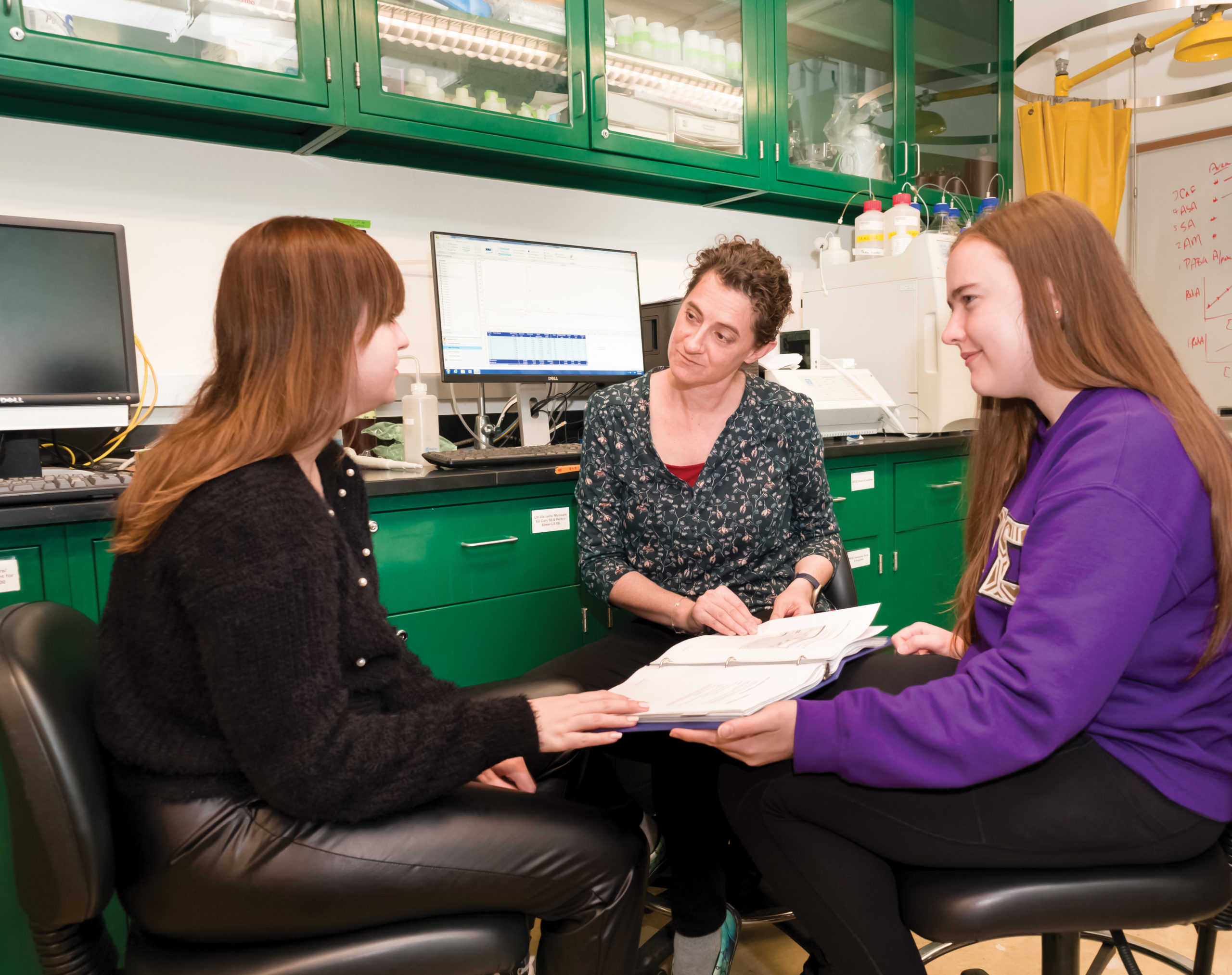
As a professor of chemistry, Kramer’s research interests have always revolved around environmental analysis. Under her guidance, students have examined the concentration of pesticides in soil, water and fish, as well as comparisons of contaminants in urban and rural water supplies. Other projects have explored phytoremediation, where plants can be used to remove heavy metals from soil.

“All of these projects came about in the same way – a student asked a question and I helped them find a way to discover the answer,” she said.

The caliber of students and their level of intellectual curiosity are contributing factors in Kramer coming to Truman, even though she never intended to move so far from her Georgia home.

“When I visited to interview, I was blown away by the students,” she said. “I had been on several interviews, but this was the first place where students seemed genuinely excited talking about research and classes and felt comfortable interacting with me as a potential faculty member. Something just clicked. I’ve stayed for the same reason. I really enjoy working with our students and how close of a community we have.”

After more than 20 years at the University, Kramer’s community has grown to be quite significant. In addition to introductory and analytical chemistry courses, she also team teaches a series of interdisciplinary STEM (science, technology, engineering and mathematics) seminar courses where students learn about scientific research and plan and implement an invited speaker series.

On top of her course load, Kramer is the director of the STEM Talent Expansion Programs (STEP) Office in the School of Science and Mathematics. A campus fixture since 2005, STEP has served as the home for more than $6 million in grant funding from the National Science Foundation specifically targeted at increasing success and graduation in STEM fields for Truman students. Currently, the office supports two NSF-funded programs – STEP Scholars and MoLSAMP Scholars.

The STEP Scholars program provides up to four years of need-based scholarships for students pursuing degrees in agriculture science, biochemistry and molecular biology, biology, chemistry and physics. Along with scholarships of up to $7,500 per year, students participate in academic and professional development activities designed to introduce them to research and communication in the sciences.

MoLSAMP (Missouri Louis Stokes Alliance for Minority Participation) is a statewide partnership which aims to double the number of graduates in Missouri in STEM for students from traditionally underrepresented backgrounds. Participants at Truman are supported by a full-time dedicated academic advisor, tutoring and prioritized access to travel and research opportunities with other schools in the state. 

Ironically, the joy of working with talented students can lead to mixed emotions.

“The thing I hate and love most about my job is watching students I’ve connected with graduate and move on,” Kramer said. “Graduation is so bittersweet. I’m so proud of them, but I know I’ll miss them.”

Graduation does not always signify the end of the road. Kramer remains in touch with many of her former students and enjoys watching them become successful professionals with families of their own. One of her more recent hobbies has been sitting in on Zoom Ph.D. defenses of former students.

“It blows me away to watch a student I knew when they were 18 and just starting out at college speak confidently about the work they’ve done as a graduate student, and I am absolutely honored to be there when they invite me to sit in,” Kramer said. “I don’t think students know how much it means to us when they tell us what we’ve meant to them.”

Ready for What’s Next

A proactive strengthening of Truman’s student-centered approach is essential for adapting to the massive changes in higher education. 

With its long and storied history, a lot of words could be used to describe Truman. The students and alumni are often labeled as “smart.” It’s always easy to throw out “beautiful” to describe the grounds. “Helpful” and “caring” are commonly invoked with regard to the faculty. Perhaps an underappreciated word to describe the University is “adaptable.” From its evolution as a normal school, to a regional teachers’ college and now a statewide liberal arts and sciences university, Truman has always adapted to meet the needs of the students it serves.

Higher education is in the midst of a monumental change. Circumstances from the last several years have forced colleges and universities around the country to alter their plans as fewer students are opting to attend. An article published by Inside Higher Ed earlier this year reported fall 2020 saw 20.7% fewer students enroll in college directly from high school compared to 2019, and total undergraduate enrollment declined 6.6% from fall 2019 to fall 2021. While the pandemic played a roll, this was part of a decade-long enrollment decline of 13%. More than 30 states have seen at least one closure or merger of institutions since 2016, and with the number of high school graduates projected to decrease from 2027 to 2037, more change is in store. Fortunately for Truman, years of proper planning have the school on remarkable financial footing, and the foresight of administrators and faculty members in regard to curriculum means the University is ready to meet the challenges ahead.

“Enrollment challenges are real, but they will not be solved solely by amplifying recruitment efforts,” said University President Sue Thomas. “An enhanced focus on retention, completion, student success and strengthening our value proposition are essential to increase our appeal to tomorrow’s students. Truman is currently implementing a number of new initiatives in these areas to bolster our appeal.”

Don’t Break the Bank

Among the top-of-mind factors for many students and families when making their college choice is price. Like other industries, fixed costs in higher education have increased faster than most family incomes, pushing the price of a degree higher and higher and causing decisions to be all the more strategic. Truman has long been known for its affordability, a characteristic that will continue to bode well in the coming years.

“Truman has a history of wanting to empower students by helping them get their education without taking on tremendous debt. That’s important now more than ever,” said Marla Fernandez, director of financial aid. “There are multiple avenues that can be taken to minimize educational expenses, and we take pride in helping our students take advantage of every possible opportunity.”

In addition to attractive financial aid packages, eligible students can earn generous scholarships through the Truman State University Foundation. The Financial Aid Office also assists students in finding and applying for private scholarships and fellowships, as well as specific opportunities through the Missouri Scholarship & Loan Foundation. Even prospective students are eligible to seek the office’s services before they have formally committed to Truman. The University estimates as many as 97% of students earn scholarships, a key factor in why half graduate with no student loan debt.

Quality Counts

Lots of schools try to maintain reasonable tuition, and Truman has been very successful in that regard. It’s a key factor in why the University has fared well in numerous national rankings and is often cited for its affordability. More importantly, what makes Truman unique is the caliber of education in relation to the cost. The graduation rate remains the best in the state, and Truman students perform well on certification exams, graduate and professional school placement rates, and in the percentage of students who are employed after they earn their degree. By any measurable standard, graduates leave well prepared for wherever their careers may take them. Continuing to attract and retain students in the coming years is contingent on Truman providing the education students will need to fill the jobs of the future.

To that end, Truman has added 18 new programs in the last five years, with more offerings still in development. Nearly half of the new programs are in graduate education, including master’s degree offerings in mental health counseling, school counseling, and data science and analytic storytelling. New bachelor-level programs include applied linguistics, and biochemistry and molecular biology. Many of the programs build off of existing Truman courses and have been developed to expand to new pools of prospective students while not requiring significant additional investments on the part of the University.   

“We have tried to be very strategic and data driven in how we create additional program options for students,” said Kevin Minch, associate provost. “We use economic data to look down the road and see what the job market needs from graduates and then evaluate how we can meet the needs of students with the resources we already have available.”

Embracing the new does not mean abandoning the old. The University remains true to its liberal arts core, with students receiving a distinctive blend of broad foundational perspectives and highly specialized academic programming. Truman has added programs that allow students to be successful after graduation, and their experience is enhanced because it is built upon a liberal arts and sciences foundation.

“All of these new programs have been created with the needs of students in mind, including what support students might need in a particular field to be most successful,” Minch said. “Helping them complete their degree and find employment in a rewarding job has always been the goal.”
What’s in it for Me?

Spend any amount of time with a prospective college student and their level of pragmatism might be surprising. Gone are the days of picking a school simply based on family legacies or name recognition. Discerning students of today are less concerned about a school’s reputation for parties and more interested about what they can get out of their time on campus. Internships, research opportunities, career readiness and transformative experiences carry more weight.

“Students want college to be an experience – collectively, one that entails much more than what they did in high school,” said Tyana Lange, vice president of student engagement, enrollment and marketing. “They want to engage in one or more transformational experiences that match their interests and help them meet their goals. Our job is to help students see that these experiences are fun, important to learning and a significant investment in their future.”
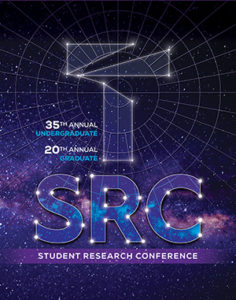
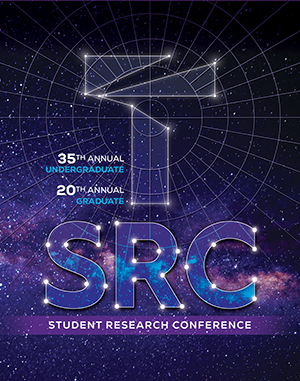
A perfect example of Truman encouraging resume-building experiences is the Student Research Conference. Hailed for its innovative approach to showcasing student work, this year marked the 35th anniversary of the undergraduate version of the conference and the 20th year graduate student work was included. Nearly a third of all Truman students participate in research during their time on campus.

One recently implemented program is not only giving Truman students an opportunity to develop leadership skills, it is simultaneously cultivating prospective students who may not otherwise have considered attending the University. TRU Leaders Next-Gen builds on the University’s established TRU Leaders program. Currently enrolled students serve as mentors to Kirksville High School students identified by the district as having great potential who would be the first in their families to attend college or who come from underserved populations.

“This accomplishes two distinct goals,” said Rashmi Prasad, dean of the School of Business and creator of the program. “Our students develop leadership skills that will serve them throughout their careers, and the mentored students are able to assess, learn and practice time and stress management, as well as their communication skills. Students also participate in high-impact experiences that broaden their thinking about future career opportunities. That will better prepare them for college, and hopefully many of them will choose to attend Truman when the time comes.”

One of the most transformative experiences possible is studying abroad, and this summer Truman resumed the practice for the first time since the pandemic began. The Center for International Education Abroad is a campus resource that helps students navigate the wide variety of academic opportunities available to explore the world. Truman also offers some scholarship packages that include a stipend specifically for study abroad.

In terms of preparation services, the Career Center is another valuable resource for students. It provides help with choosing a major, exploring career paths, finding internships, prepping for interviews, graduate school research and securing a job. In recent years its Career and Graduate School Expo has expanded from a single-day event to a weeklong affair taking place in both the fall and spring semesters.
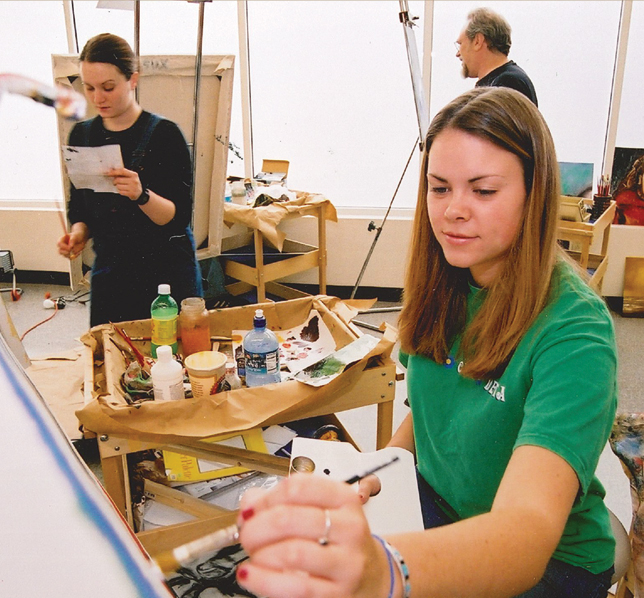
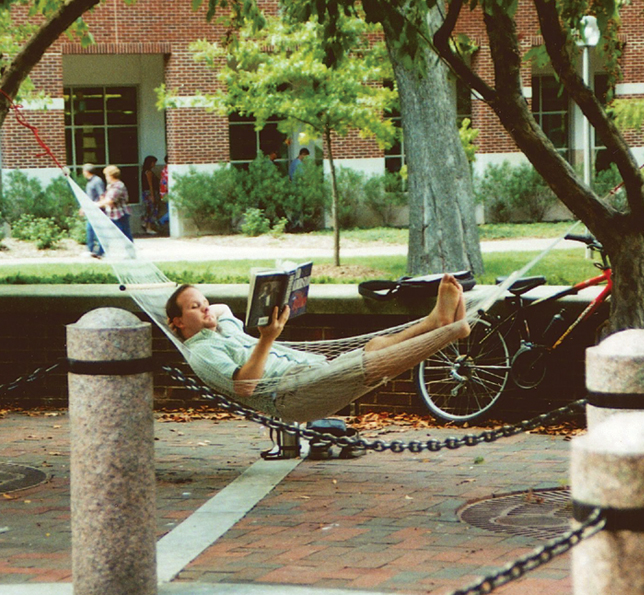
The Career Center boasts a state-of-the-art career data management system, #HireTruman, that allows students to search and apply for vetted jobs, as well as create their own profile complete with resume and portfolios for documents. Students can elect to allow employers to view their profile and the employer can reach out directly. The #HireTruman platform is also used to facilitate virtual meetings between employers and students, and the Career Center provides virtual drop-in services available to all students and alumni.
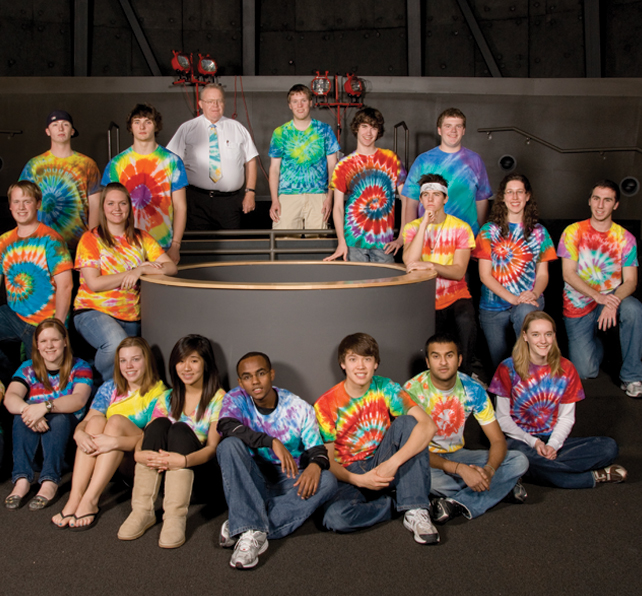
“These drop-in services are popular with individuals who cannot come to our office, such as alumni who do not live in Kirksville, students who commute to school or those who feel more comfortable meeting virtually for whatever reason,” said David Lusk, associate vice president for career development.

For anyone on campus that needs access to proper resources while conducting their job search, the center recently created two new virtual interviewing suites, complete with technology and lighting appropriate for professional interviews.

“We know that students have appreciated these suites as they have referred their friends to reserve such services,” Lusk said. “Students will often talk about not having a place to do virtual interviews that is free of distraction, so many have chosen to reserve our interview rooms.”

Help Make it Happen

One significant sign of the University wholly investing in student support is its ambitious plan to renovate the Kirk Building (page 2). With financial assistance from the state of Missouri, Truman will revitalize one of the campus’ oldest buildings into a new Student Success Center. Comprised of the Career Center, Tutoring Services, the Student Health Center, Counseling Services, Student Access and Disability Services, the Center for Academic Excellence, the Communication Lab and the Writing Center, the new facility will be a centralized location for many of the services students need throughout their time on campus.

“Having all of these resources under one roof will not only be convenient for students, it will allow the University to amplify the amount of support we can provide, bolstering student retention efforts,” said Jonathan Vieker, director of retention and student success. “By using a collaborative service model, departments will be able to coordinate with one another more effectively to best meet the needs of the student.”

Support can come in many forms, and sometimes it originates with students. The more than 230 organizations on campus provide outlets for students to be themselves and connect with others with similar interests, whether it be through Greek Life, service organizations, affinity clubs or identity-based groups. Recently, the University allotted space for the creation an LGBTQ+ Resource Center and will be sponsoring an esports team for the first time in the fall (page 7).

“These are ideas driven by student interests. They are important to them, so it’s important for the University to understand that and be supportive if we want to continue to attract new students,” Lange said. “Prospective students need to be able to see themselves at Truman, and being open to the types of services and experiences they want enables us to make it a reality for them.”

The Future is Bright

For those schools willing and able to adapt, the future is bright. Truman is poised to rise as the higher education landscape evolves. Liberal arts cornerstones like critical thinking and problem-solving skills become more valuable every year. Learning simply for the sake of knowledge does not have to be put to the side in the name of career readiness. Those two pillars can and should coexist, and schools like Truman are adept at fostering both. Only good things come from knowledge and enlightenment. As Truman continues to empower students to reach their full potential, society at the local, state, national and even global levels will continue to reap the benefits.