Archives

Art is Life

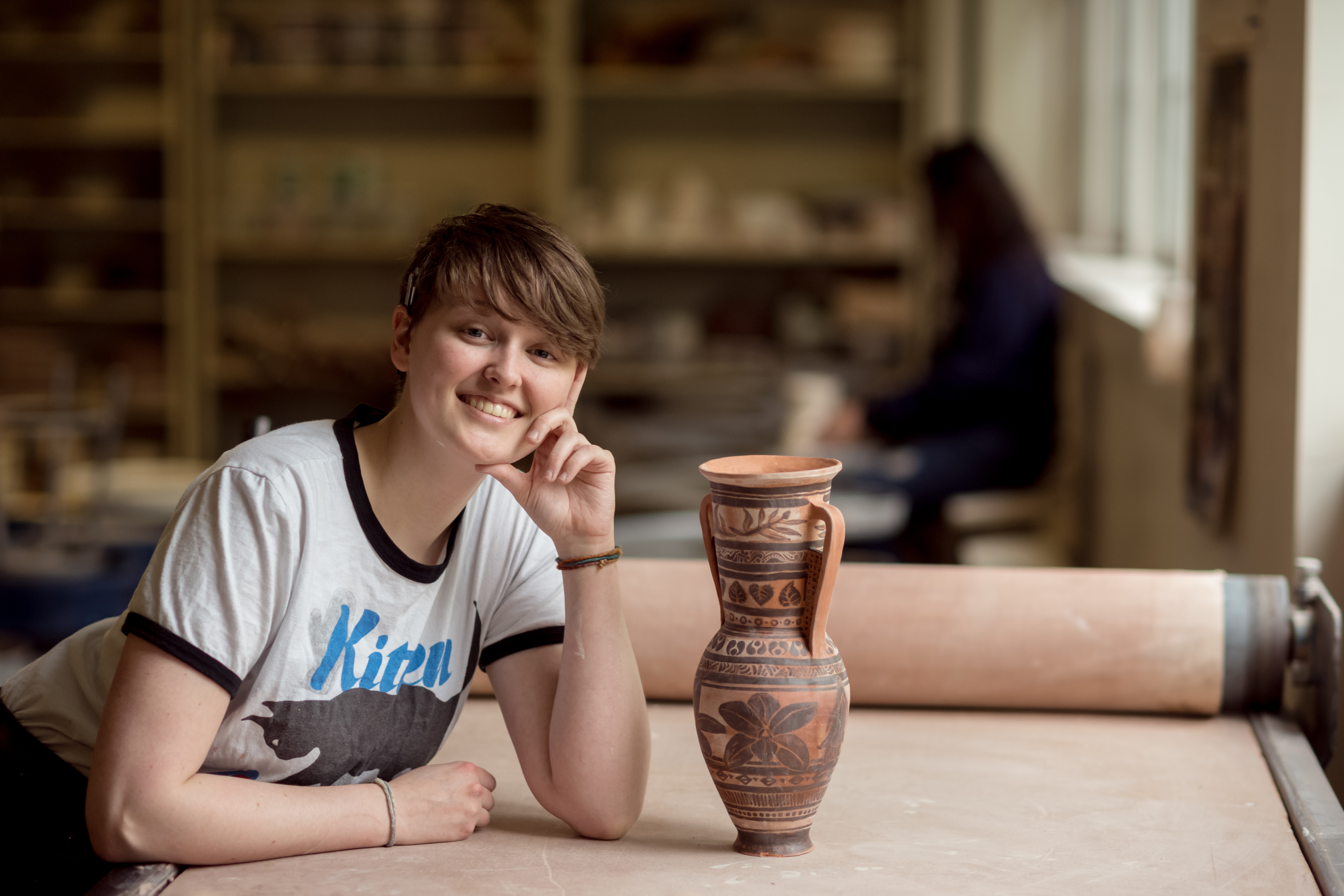
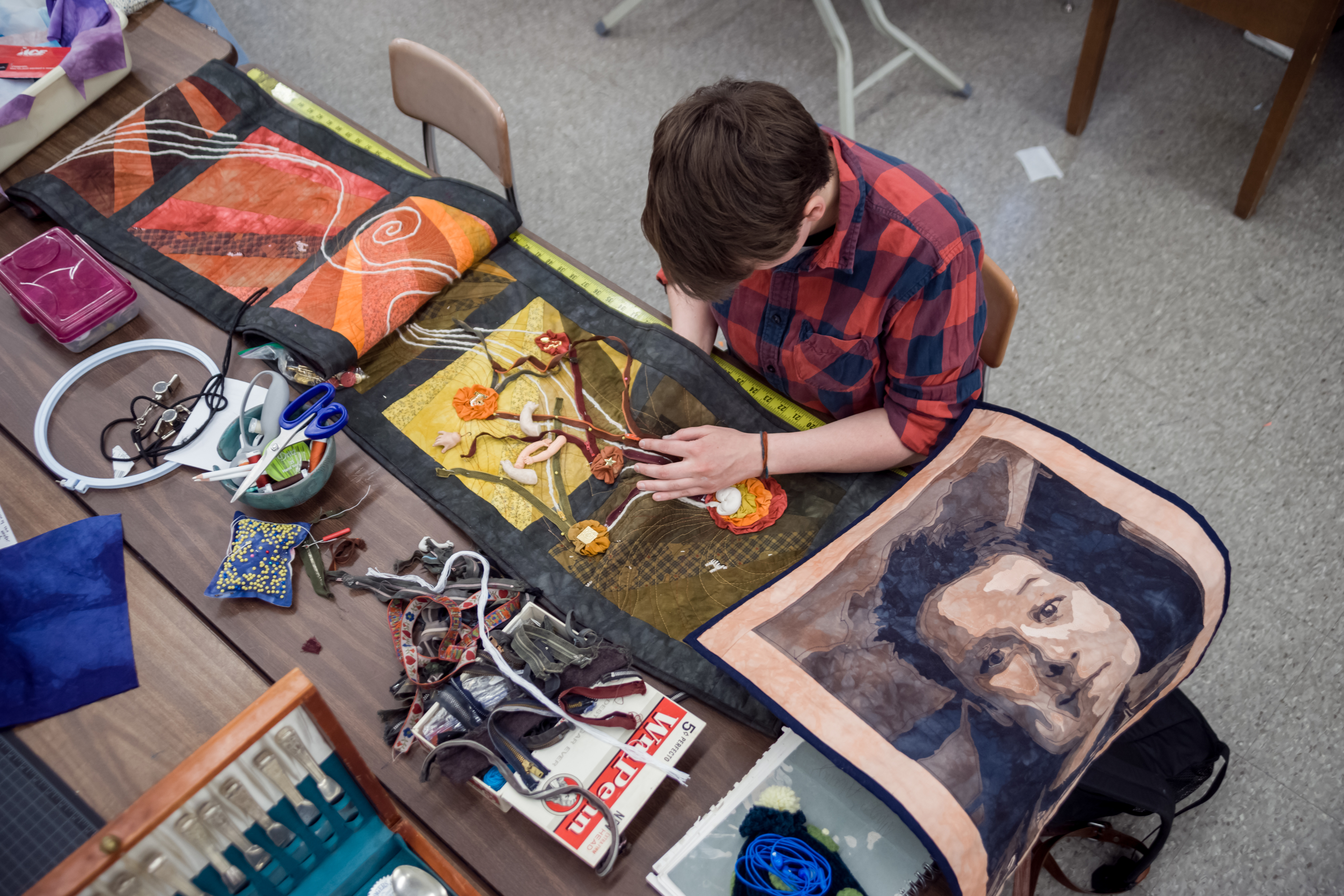
Maggie AdamsLike a lot of artists, Maggie Adams uses her art in an almost therapeutic way. When her mind is weighed down with heftier subjects like time, memory, the human condition – even life and death – it comes out through her work in fibers. Conversely, on her more carefree days, she can just throw a ball of clay on the pottery wheel and see where it takes her.

“I’m attracted to both fibers and ceramics because as a discipline they both started as purely functional objects,” Adams said. “There is no practical reason for people to add decoration to the surface of a pot or intricately sew patterns into cloth, and yet we do.”

While there may not be a practical reason to embellish everyday items for artistic reason, that is not to say it doesn’t serve a purpose.

“A person’s problem-solving and decision-making skills are challenged and developed in an art class,” Adams said. “Yes, math and science courses do this as well, but in an art class the many problems that will inevitably arise when trying to create something can be resolved in more variable or subjective ways. A person who can adapt to these problems and move forward will begin to cultivate these skills and apply them in other areas of their life.”

A native of Kirksville and a rising junior at Truman, Adams was looking for a small-college experience where she could make connections with faculty members and fellow students. That was particularly important when it came to how she would turn the studio art major she picked out of passion into a career.

“It was reassuring to meet people who were pretty much in the same boat as me, because very rarely do schools talk about different career opportunities in the arts,” she said. “I have been able to make great friendships with other art majors and build positive connections with many faculty members due to the welcoming and close-knit atmosphere of the Art Department. They are a huge factor in how positive and enjoyable my experience here has been thus far.”

That support is one of the reasons Adams plans to go into art education in the future. She hopes to earn a Master of Fine Arts degree in either ceramics or fibers and eventually help the next generation of aspiring artists. This summer, she will get a chance to try out the profession while serving as a preceptor for the Joseph Baldwin Academy, Truman’s summer program for students in grades seven through nine.

“If I can survive three solid weeks with a bunch of middle schoolers who are into ceramics, I can handle anything down the line,” she said.

Adams plans to be a professor in post-secondary education, but her ultimate goal is to remain close to what she simultaneously considers her means of escape and her connection to the rest of the world. 

“Honestly, wherever I am, as long as I’m working with art, I will be content,” she said. “Art is the only thing that I can give 100 percent of myself to with no regrets, no matter how much time or energy I choose to devote to it.”

Maggie Adams

ROTC Program to Celebrate 50 Years at Truman

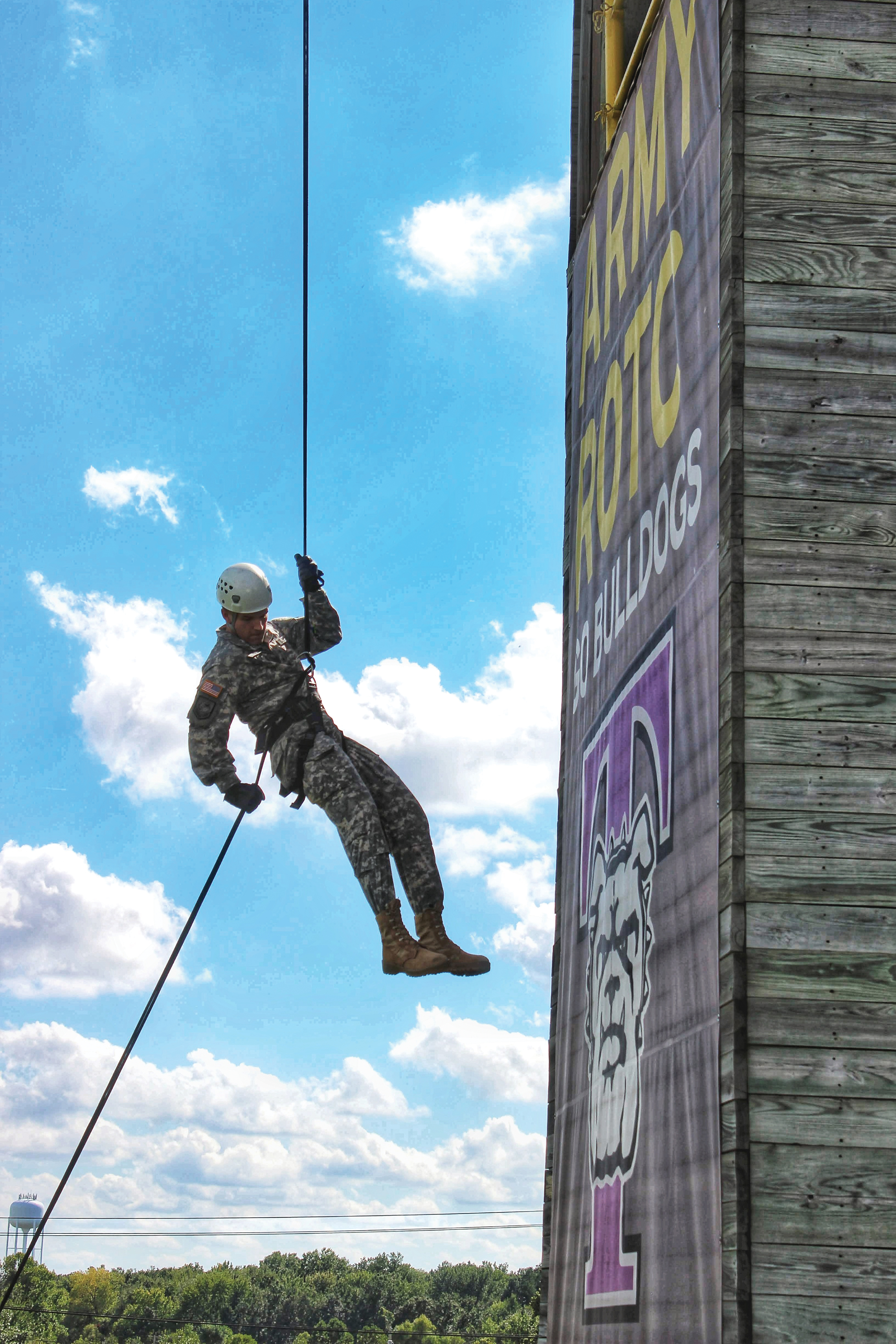
The Reserve Officers’ Training Corps (ROTC) program will celebrate its 50th anniversary on campus at Homecoming this fall.

Chartered in 1968 by University President F. Clark Elkins, Truman’s ROTC program began in the 1969-70 school year, and it was one of 13 schools in the nation to have a unit established that year. A first-class leadership development program, ROTC offers students scholarships and an unparalleled opportunity for personal development. Truman graduates receive a degree and a commission as an officer in the U.S. Army. Throughout its time on campus, 745 officers have been commissioned through the program.

All alumni are formally invited to join in the festivities. Starting Friday, Oct. 18, there will be a social night at a location to be determined. Attendees will be able to talk to the senior class about their various Army experiences. The Military Science Department will also be inducting the newest members to the Alumni Regiment Hall of Fame at the event.

Saturday, Oct. 19, the ROTC Color Guard team will lead the annual Homecoming parade down Franklin Street. Later in the day, the Military Science Department will participate in the Homecoming tailgate. They are working with several Missouri Army National Guard units to provide static displays of Army equipment such as a UH-60 Blackhawk, Buffalo mine protection route clearance vehicles and an M777 Howitzer. Everyone is welcomed and encouraged to come interact with these displays. There also will be the opportunity to mingle with the rest of the battalion after the annual Alumni Regiment meeting.

The Homecoming game will kick off with a bang from the ROTC’s very own M116 Howitzer, Black Jack, as the Bulldogs take the field. The cannon returned to action in the fall of 2015 after being sent to the Missouri National Guard Maintenance Shop in Jefferson City for safety certification the previous year.


All alumni and friends of the program are invited to reconnect with the ROTC program during Homecoming. No formal reservations are needed, but program alumni who would like to update their information and stay informed regarding all activities surrounding the 50th anniversary are encouraged to contact the Military Science Department at
(660) 785-4451 or rotc@truman.edu.

School of Business Earns Accreditation Extension

Truman is one of 17 institutions to have its accreditation extended in both business and accounting.

Earlier this year, the Association to Advance Collegiate Schools of Business International (AACSB) released its list of schools with extensions of accreditation. In total, 44 schools were extended for business, two for accounting and 17, including Truman, were extended in both business and accounting.

For more than a century, AACSB accreditation has been synonymous with the highest standards in business education and has been earned by only 5 percent of the world’s schools offering business degrees at the bachelor level or higher. Today, 831 institutions across 54 countries and territories have earned AACSB accreditation. Further, 189 institutions hold supplemental AACSB accreditation for their accounting programs. Once accreditation is achieved, each institution participates in a five-year continuous improvement peer-review to maintain high quality and extend its accreditation.

As the world’s largest business education alliance, AACSB International connects educators, students and businesses to achieve a common goal: to create the next generation of great leaders. For more information, visit aacsb.edu.

Nursing Receives Grant for $150,000

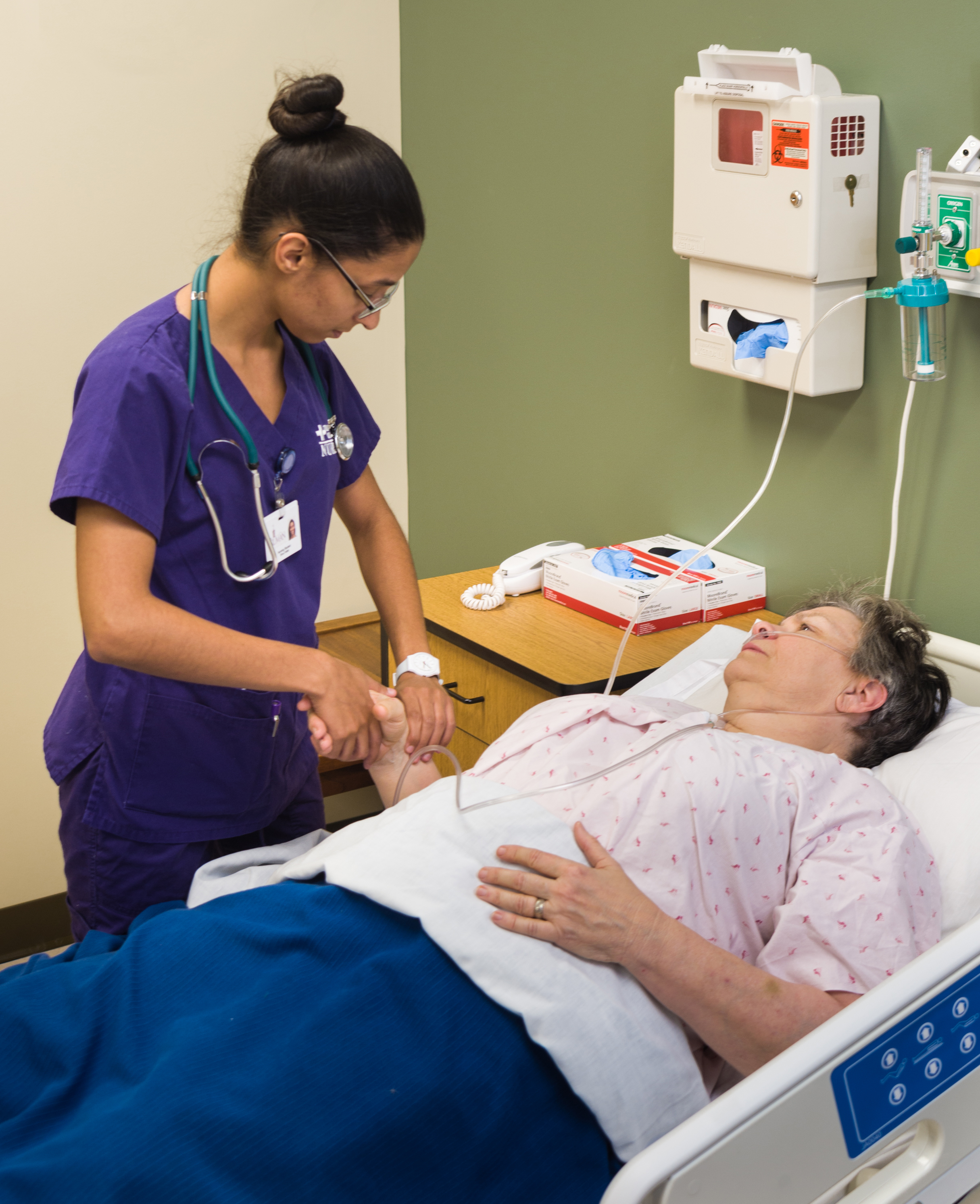
In April, the Truman Nursing Department received a Nursing Education Incentive Program grant in the amount of $150,000, which it will use to provide more clinical experiences and for the purchase of additional technology.

Initial plans for the NEIP grant include partnering with A.T. Still University to design and set up simulated mental health scenarios using standardized patients. Additionally, funds will be used to purchase a new, more realistic nursing manikin for use in simulations.

“We are honored to receive this grant and look forward to expanding our clinical instruction,” said Brenda Wheeler, Nursing Department chair. “By using simulation, our students have the opportunity to experience clinical situations they might not otherwise encounter in a rural setting. Students can practice nursing skills and enhance their decision-making skills, which will better prepare them to enter the nursing workforce.”

The NEIP was established through legislative action and appropriation of Missouri State Board of Nursing funds to increase the physical and educational capacity of professional nursing education programs in Missouri. This is the fourth time Truman has received the grant. Among the needs filled by previous grants were the addition of faculty members and the creation of new programs. 

Fishbowl Fridays Feature Truman Students

Is it better to eat cookie dough or bake it? Who would be your three celebrity dinner guests? What’s the most embarrassing thing that happened during your freshman year? These are some of the questions Truman students have been faced with during Fishbowl Fridays, a social media campaign the University launched in January.

Videos are posted every Friday, each with its own set of questions and filmed in a new location. A wide range of questions are asked, and every answer showcases the many different personalities at Truman. Students are able to voice their opinions on a variety of topics, from their favorite place to study to whether or not a robot uprising is more likely than a zombie apocalypse. Some weeks have special themes to match events happening on campus.

All of the videos are available to watch on the Truman YouTube channel at youtube.com/user/trumanuniversity.

Bagel Bros Set Up in the SUB

The new year brought a new dining option to campus.

Einstein Bros. Bagels is now open on the main concourse of the Student Union Building across from the Hub. A licensed store of the national chain, the eatery offers freshly baked bagels, breakfast sandwiches, lunch sandwiches, coffee and more. The full menu can be ordered at any time during the day.

Along with food, Einstein Bros. Bagels has partnered with Caribou Coffee to provide drip coffees, classic favorites, some signature specialty drinks and smoothies.

Regular hours for Einstein Bros. Bagels are Monday-Friday, 7 a.m.-7 p.m. In addition to cash, credit and debit options, Dining Dollars and meal transferability swipes are accepted.

Einstein Bros in the Student Union Building

Accolades Continue to Pile Up

Truman earns praise for career prep, affordability, producing Fulbright students and providing an overall great educational experience.

Although fall is the season typically associated with college rankings, Truman earned some praise during the spring semester.

According to The Princeton Review, Truman is one of the nation’s best colleges for students seeking a superb education with great career preparation at an affordable price.

Truman is included in the education services company’s book, “The Best Value Colleges: 200 Schools with Exceptional ROI for Your Tuition Investment.” The Princeton Review chose the schools based on data it collected in 2017-18 from surveys of administrators at more than 650 colleges. It also factored in data from surveys of students as well as surveys of alumni conducted by PayScale.com.

In total, The Princeton Review included more than 40 data points to tally return on investment ratings for the 200 schools in the book. Topics covered everything from academics, cost and financial aid to graduation rates, student debts, alumni salaries and job satisfaction.

The Chronicle of Higher Education included Truman on its list of U.S. colleges and universities that produced the most 2018-19 Fulbright students. Among master’s institutions, Truman had four Fulbright students selected from a total of 12 applications. Of the 19 universities listed in the master’s category, Truman was the only Missouri school.

The Fulbright Program is the U.S. government’s flagship international educational exchange program. Since its inception in 1946, the Fulbright Program has provided more than 380,000 participants – chosen for their academic merit and leadership potential – with the opportunity to exchange ideas and contribute to finding solutions to shared international concerns. More than 1,900 U.S. students, artists and young professionals in more than 100 different fields of study are offered Fulbright Program grants to study, teach English and conduct research abroad each year.

The Fulbright U.S. Student Program operates in more than 140 countries throughout the world. It is funded by an annual appropriation from Congress to the State Department’s Bureau of Educational and Cultural Affairs and supported in its implementation by the Institute of International Education.

In rankings released by Business First, Truman came in at No. 64 in the nation, and No. 14 in the Midwest, for schools that offer the best educational experiences to their students.

The Business First list was limited to public schools because those institutions generally offer the least expensive path toward a college degree. In order to be considered, schools needed to grant bachelor’s degrees and have full-time enrollments larger than 1,000. A total of 505 schools were rated with the University of Michigan taking the top spot, followed by North Carolina, Virginia, California-Berkeley and UCLA rounding out the top five.

The annual rankings are based on a 22-part formula that analyzes the latest data from the National Center for Education Statistics and the U.S. Census Bureau. It gives the highest marks to schools with highly selective admissions processes, strong retention and graduation rates, impressive earnings by alumni, generous resources, affordable tuition and housing costs, diverse faculties and student bodies, and economically robust communities.

A comprehensive guide to all of Truman’s rankings can be found at truman.edu/about/facts-about-truman/points-of-pride.

Kirksville: A Place to Call Home

When Dick and Edie Erzen started dating, Truman was the last name of the president of the United States, not of the college they both attended. Their courtship began more than 70 years ago when they met as students at what was officially Northeast Missouri State Teachers College, although most on campus referred to it as Kirksville State Teachers College. Their story is adorably sweet. Dick, a native of Bethalto, Ill., played basketball and was a member of many organizations, including K Club and Blue Key. A local girl, Edie was a cheerleader and Sigma Sigma Sigma sister who was also active on campus and selected as the Carnival Queen in 1948.

“I’m not really sure how we met,” Edie said. “I know my friend said she kind of liked the looks of Dick and I said, ‘ick’.”
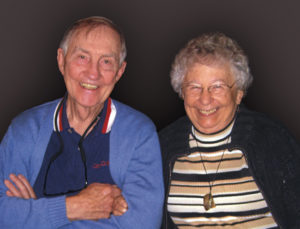
Dick and Edie Erzen

Her opinion changed over walks downtown to get coffee and after taking in a number of movies at the Kennedy Theater. Although they eventually left the area, Kirksville is where Edie and Dick met, got married and welcomed their first child. They have returned countless times for University events and to see old friends and teammates.

The Erzen family tree now spans an additional three generations and has grown to include six grandchildren and three great grandchildren. Whether those descendants realize it or not, they are here today, in part, because of Kirksville.   

“Even though I’m not from there, it’s kind of a second home for me, and same as the first home as far as I’m concerned,” Dick said. “It’s sort of a home base for both of us.”

Time rolls on with no regard for the eras it covers, and a college campus is not immune to the changes it brings. Buildings are constructed, only to be torn down years later or destroyed by fire. Students form lifelong bonds with others they meet on campus, yet remain total strangers to those who studied just a few years later. Adjustments in curriculum are made, schools are added, the University name evolves and a liberal arts institution emerges. The one constant through it all – the common denominator of past and present – is Kirksville.
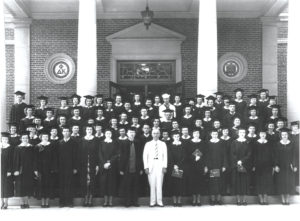
Senator Harry S Truman on campus in 1943

Throughout its history, tens of thousands of people have graduated from the University. The first classes were comprised of individuals seeking to become educators. As time passed, more fields of study were added. Truman now offers 48 undergraduate majors along with seven graduate programs, and options abound when it comes to professional preparation. With majors such as interdisciplinary studies, a student can essentially tailor their degree to whatever career they choose to pursue. Graduates of the University have the potential to be as vastly different from one another as night and day, however, there is one universal connection among all alumni. Whether it is the teacher who graduated in 1889 or the biochemist who earned a degree in 2018, at some point in their educational experience, they called Kirksville home.
Maxwell’s in downtown Kirksville

In the lives of many alumni, Kirksville is the little surprise they never knew they wanted. They did not plan to make the town such a huge part of their lives, it just kind of worked out that way. Yes, it is where they earned a degree that most use for their livelihood, but it is so much more. It is where many learned how to be adults – to live on their own and realize the safety net of home and family will not always be present, their terror turning to excitement when they eventually discover they “really can do this!”

Kirksville is the metaphorical ground where countless family trees have been planted. Students who were strangers in a class they signed up for only because the time slot fit their schedule can meet and ultimately fall in love. When visiting campus years later, they bore their children with stories of “where it all started” in Violette Hall, and then spend some time in the Sunken Garden, the site of their wedding just a month after they graduated.
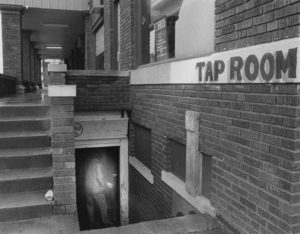
In some ways, a trip to Kirksville is almost like traveling through time. Visiting alumni would not trade the lives they made for themselves to go back, but Kirksville will always tug at their hearts for some reason they can’t fully explain. Their college years, which often seemed stressful at the time, are now quaint and comfortable in their minds. They long for the days of everything being within a five-minute drive, sharing a house with seven friends and having to get up “early” for a 9 a.m. class twice a week.

Laura (Boyd) Roeseler (’03) has fond memories of frequenting downtown businesses and even spending one Friday night engaged in a scavenger hunt at Walmart with her suitemates. The big-city native grew to enjoy the small-town vibe and the homey touches that came along with it, like when a professor would work with her outside of class, or when another called to check on her following an illness to make sure she was feeling better.    

“As an alum of Truman, I have an even deeper appreciation for Kirksville,” said Roeseler, who has since returned to St. Louis. “It is a wonderful community to be a part of, and I miss it.”
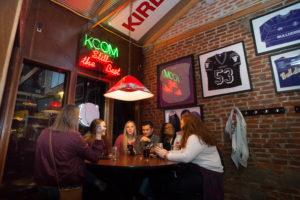
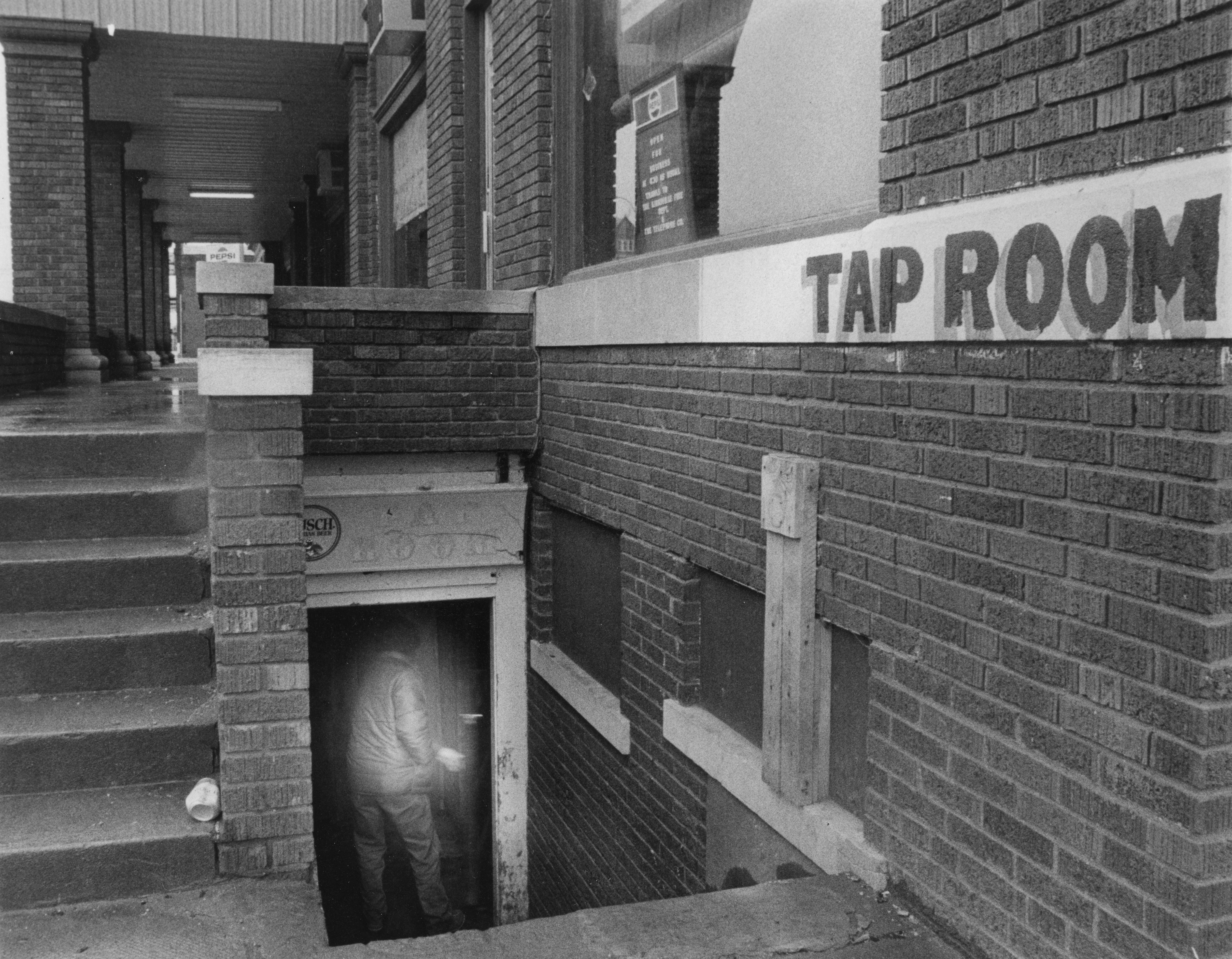
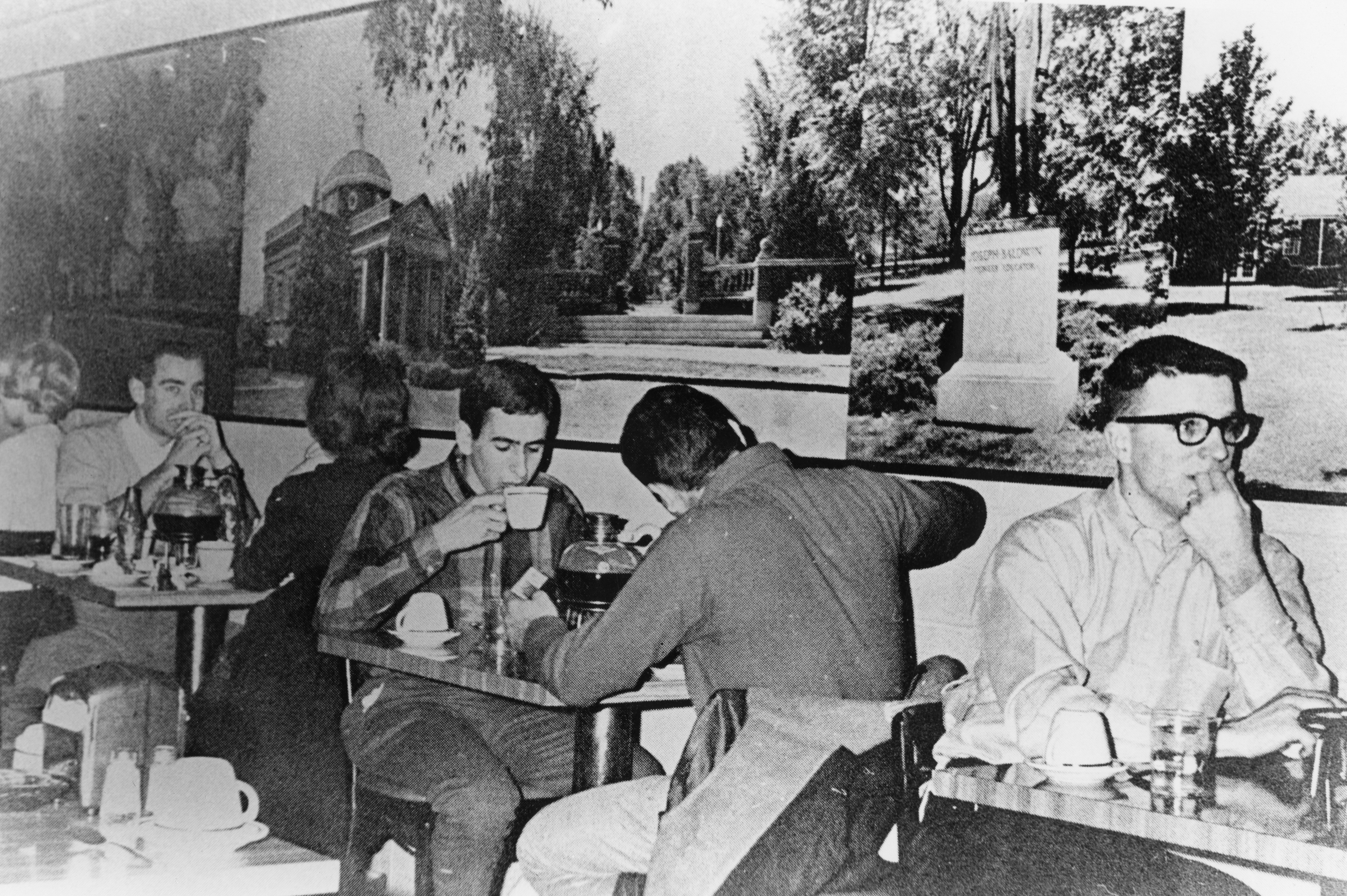
The DuKum Inn

Obviously, there is no universal opinion on Kirksville. Depending on who is asked, as well as when the question is posed, individual results may vary. For the most part, the alumni who wistfully recall late-night hijinks in the dorms, or celebrating their 21st birthday at the DuKum Inn, scarcely remember the trepidation they had prior to move-in day.

“I was a little apprehensive about living in a much smaller town than St. Louis,” Roeseler said. “While Kirksville was quaint, I worried about not being close to amenities that I was used to at home. As I got to experience the town during my time at Truman, I found that Kirksville had everything I needed, and the community welcomed and appreciated students, which made it feel like home.”
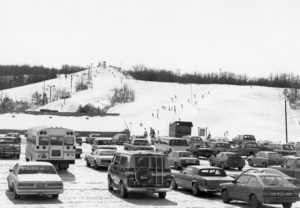
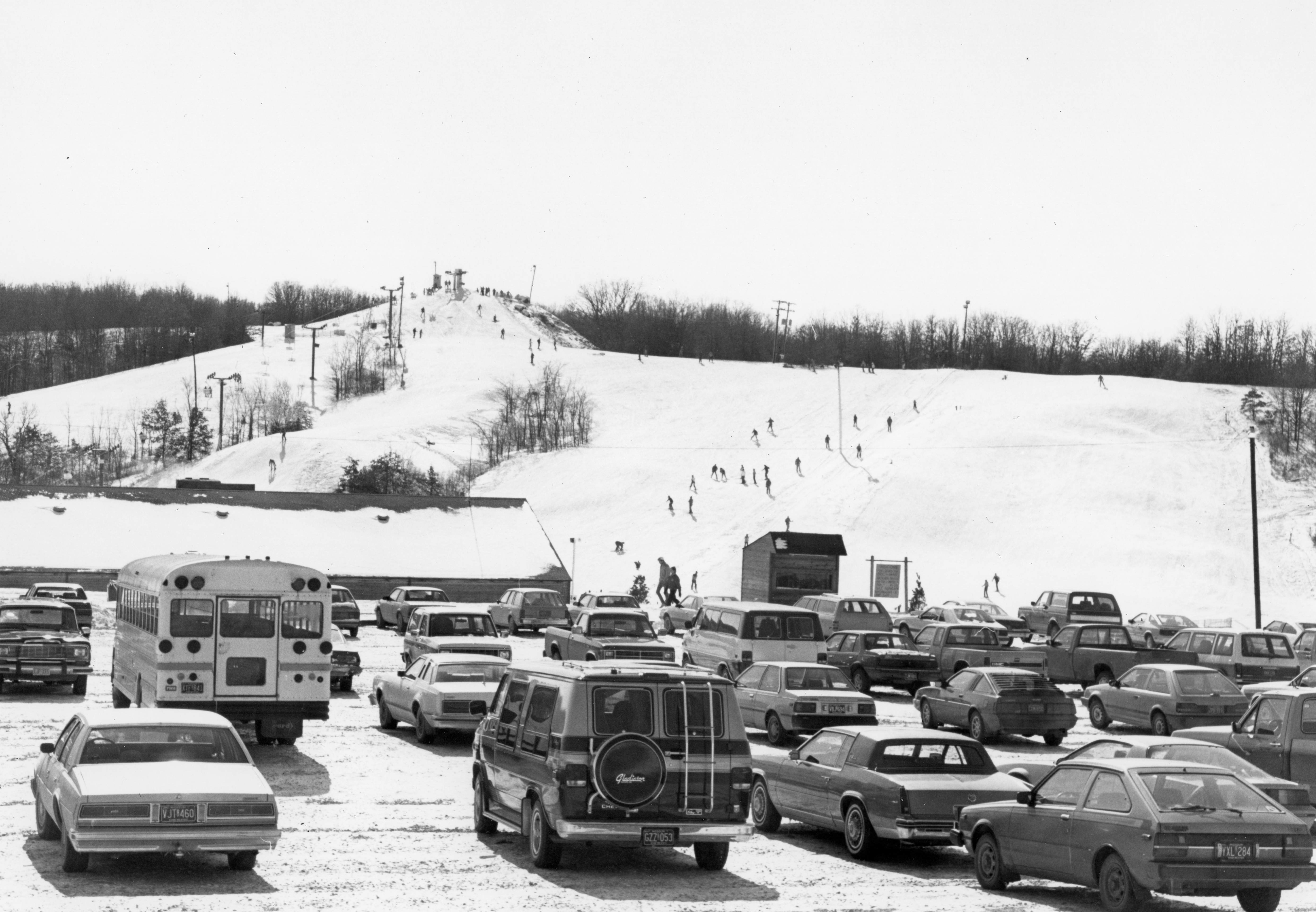
Rainbow Basin in 1982

Firsthand experience has a way of offering perspective. Kirksville does not have a professional sports team, or a stadium capable hosting a concert by the most popular performers of the day, but the town is not without its appeal. Over time, many students come to realize the benefits of the area, and most alumni have pleasant memories of the place where several of their formative experiences took place.

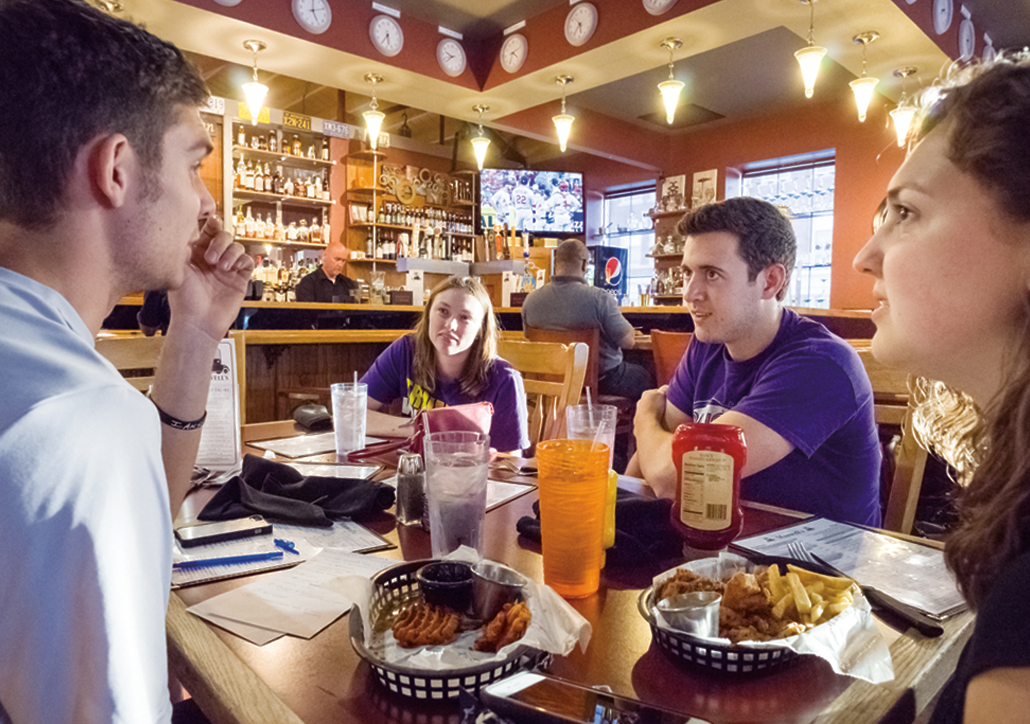
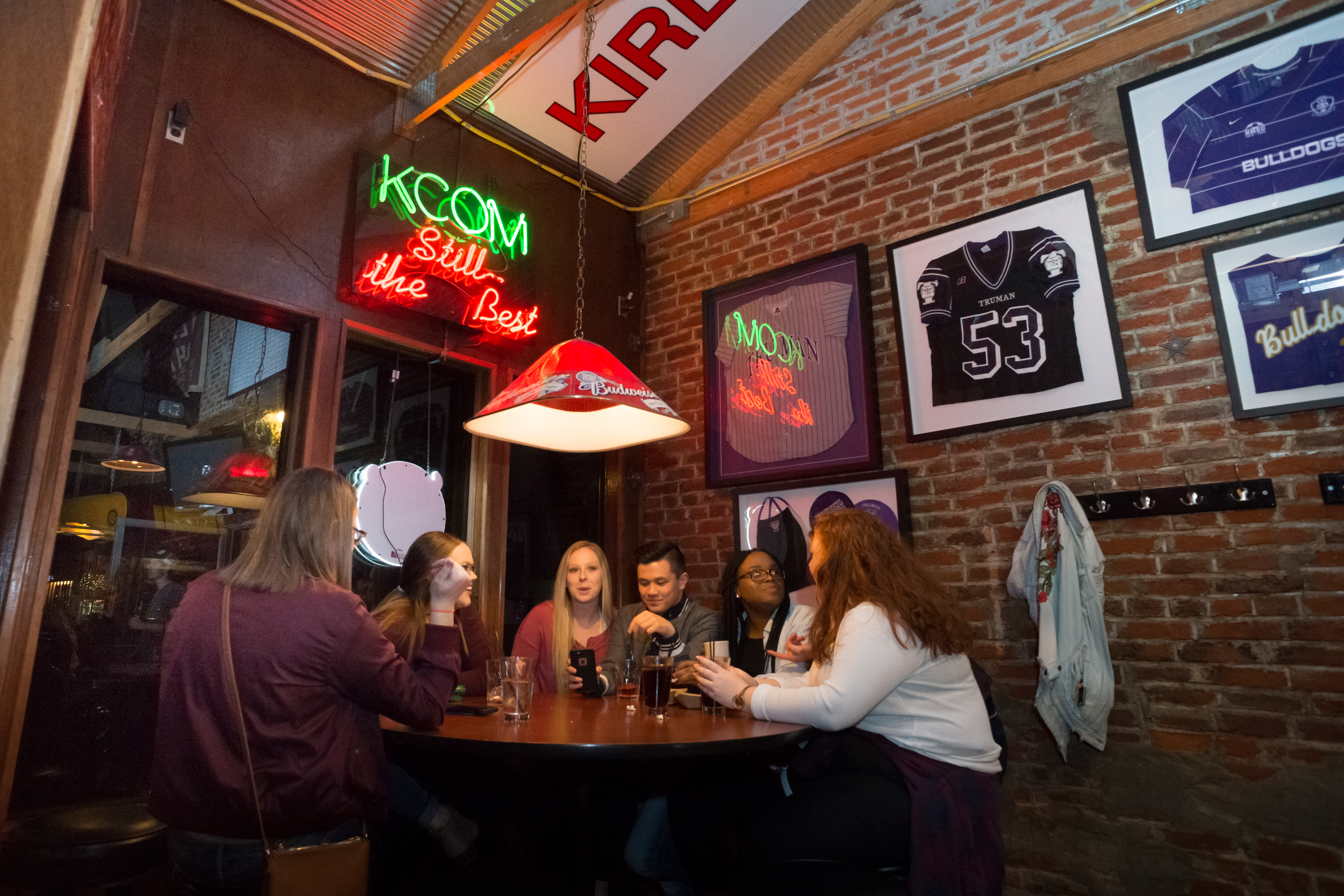
For proof of the growing affection alumni feel toward Kirksville, look no further than the pilgrimage that is Homecoming. Each year, visitors brave the cool autumn morning to run in the 5K, or line Franklin Street to watch the parade. In the afternoon, some alumni are thrilled their children are finally old enough to bring to the football game, and they eagerly hand over their keys so the future Bulldogs can jangle them at kickoff for a tradition they still don’t quite understand themselves. It’s not unusual to see a KSTC sweatshirt in the stands at Stokes Stadium on that special day. The alumni who wear them are not disrespecting the University, but rather giving a nod to the way things were. They will proudly be Bulldogs Forever, even if they haven’t completely warmed up to this new name that has only been around for 22 years. As the sun goes down, the restaurants in town buzz with excitement. For old times’ sake, alumni happily wait twice as long as usual for their local favorites, with Pancake City, Rosie’s Northtown Café and Pagliai’s Pizza among the most popular haunts. By late night, the bars are filled to capacity. They don’t always look like they used to, and in some cases might not even be the same places, yet they somehow feel familiar.

Nearly 50 years have passed since Steve Justice (’70, ’81) was an undergraduate, but he tries to return from his home in League City, Texas, as often as he can. His love of Kirksville’s small-town charm and his desire to reconnect with friends he met years ago have led him to attend the last 23 Homecomings in a row.

“Besides being able to spend time with friends, I enjoy seeing changes on campus and hearing about all of the new and exciting things going on at the University,” Justice said.

Whether it is nostalgia or a genuine sense of school pride, many alumni hold the University in such high regard they gently point the next generation of prospective students in the direction of northeast Missouri when conducting their own college search. The Admission Office estimates roughly 25 percent of beginning freshmen applicants have a family connection to the University or first learned about Truman through a graduate.

“Every year we are thrilled to have a significant number of Truman alumni bring their children or other relatives to visit campus during the college selection process,” said Melody Chambers, director of admission. “Nothing beats the sheer joy of proud graduates reminiscing about their time in Kirksville as they share their alma mater with the next generation.”
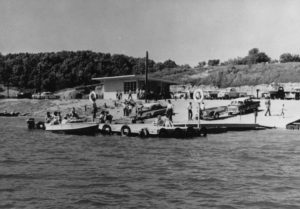
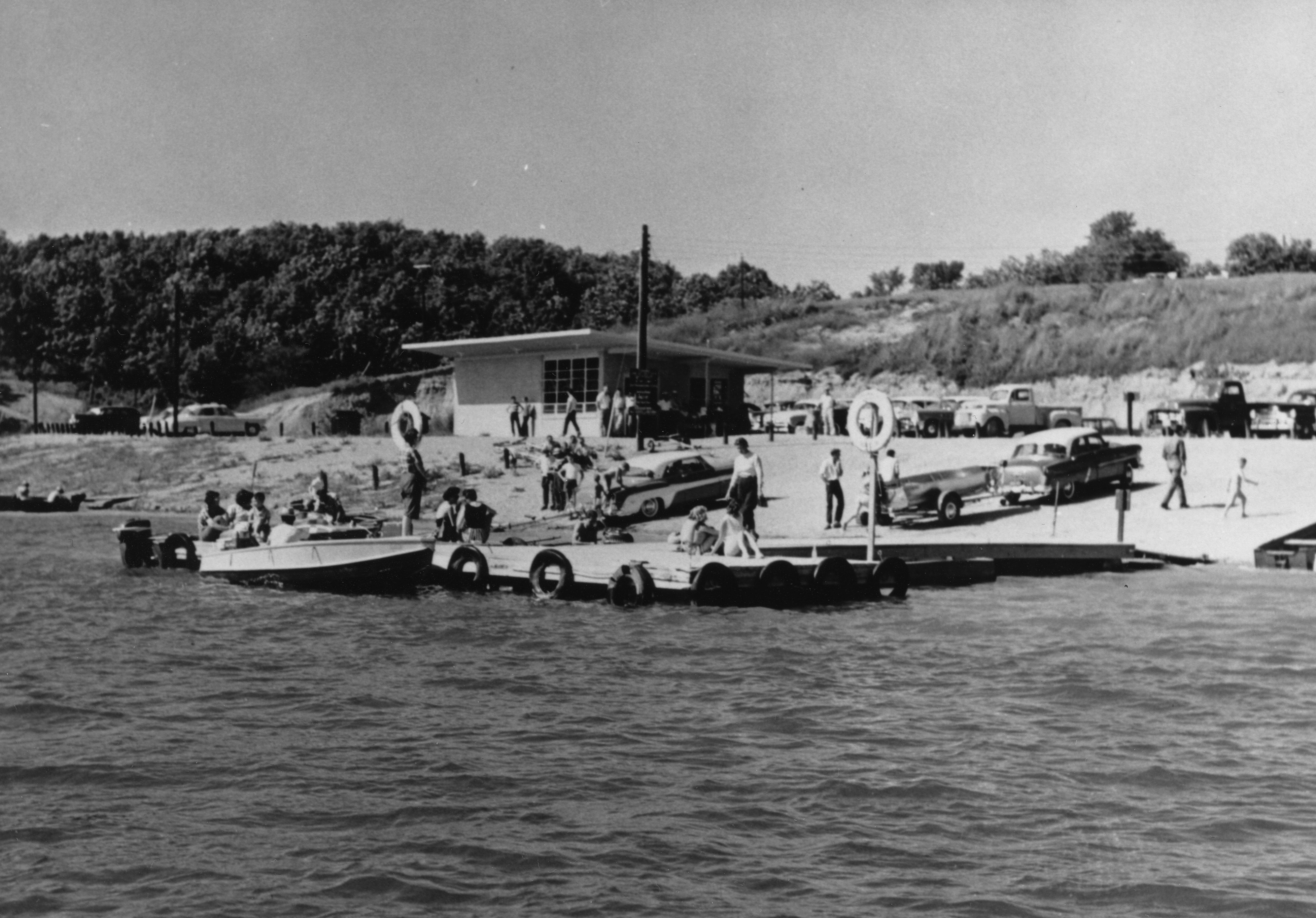
Thousand Hills State Park

Even if Uncle Rico might be trying to relive part of his youth by suggesting his old school to his nephews, that does not discount the fact Truman has remained a great institution for decades. Prospective students tend to be pragmatic when selecting a school, as well they should. They are calculating, and rarely share the same warm and fuzzy feelings about Kirksville that alumni have come to know. However, countless people have made the transition from skeptical student to gleeful graduate, further proof of something special taking place during their matriculation.

“We did encourage both of our kids to look at Truman for their higher education, however, we did not push them to Truman because we went there,” said Todd Rohler. He and wife Stefanie graduated in 1989 and their two sons also chose to attend. “Both of our boys felt like Truman was the place for them right away, and they were sure to tell us that they didn’t choose Truman simply because we are both alumni.

“Seeing Truman from a parent’s perspective brought back many memories of ‘NMSU’ for Stef and I. Although there have been many changes, there are still many things that have not changed, like the family atmosphere and the fact that the faculty really get to know the students.”
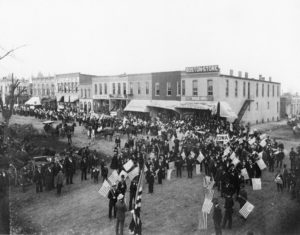
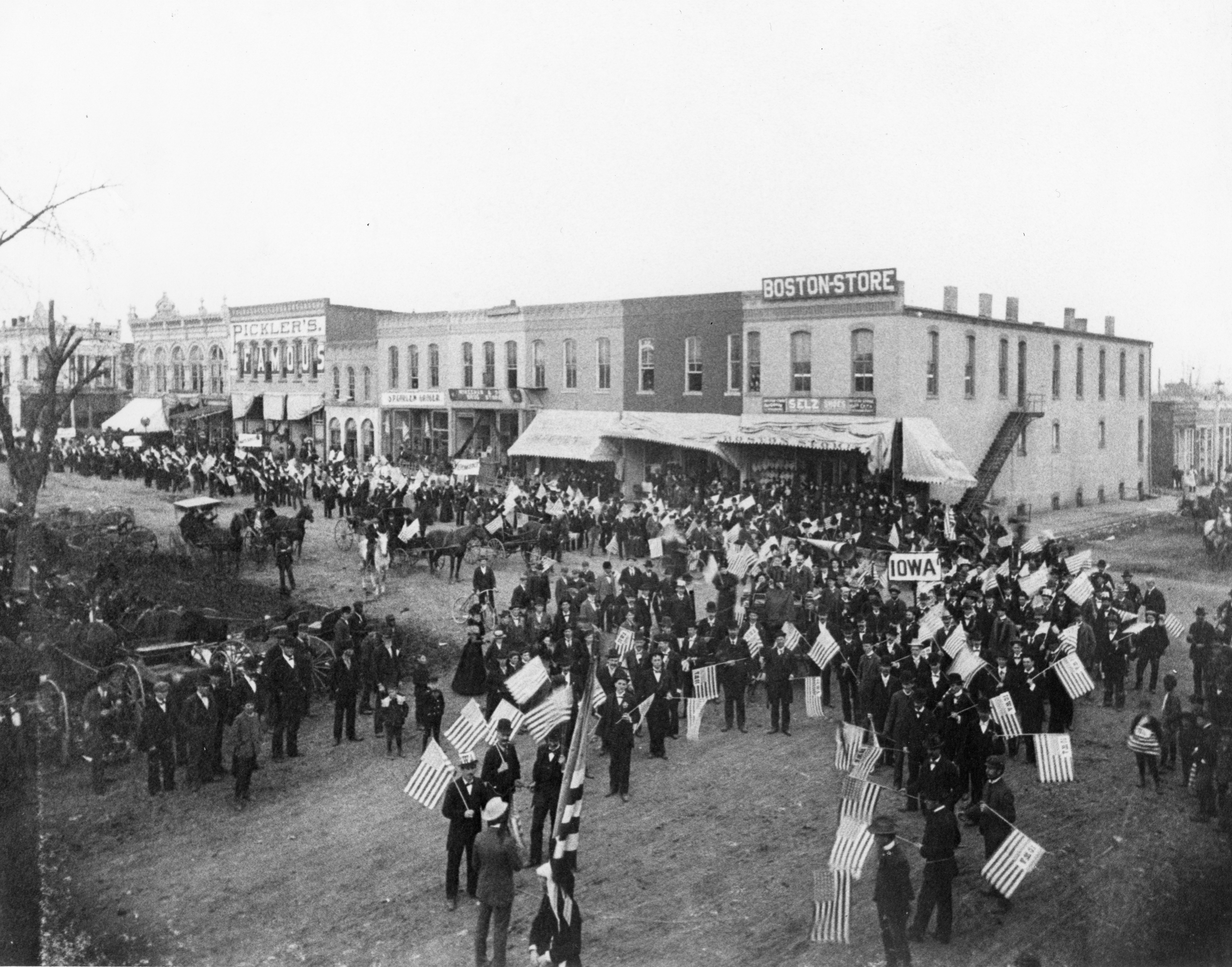
North side of the square in 1895

Every town has a story. Kirksville’s may not be well known, but it is certainly unique. “Village of churches” is supposedly the literal meaning of the name, but the folktale of how the municipality became Kirksville is much more interesting, albeit, somewhat less holy. Local legend claims the moniker is actually the result of the town’s first postmaster, Jesse Kirk, essentially bribing the surveyors working in the area to name the city after him in exchange for some whiskey and a Thanksgiving dinner. How true that story is remains up for debate. Kirk was the head of a prominent family. He also owned a tavern and served as the county treasurer, so he was most likely a respected member of the community. It would have been a logical choice to name the town Kirksville without the need for an arrangement over drinks, but the fable may have outgrown the facts.   

Like many similar towns, Kirksville has deep roots in agriculture and a history of manufacturing, but its amenities belie what census data or maps might indicate. Located in a rural area, with a population that remained steady for close to 40 years, it serves as a cultural and intellectual hub for the region. Few, if any, towns its size can boast of even one high-quality institution, let alone two, but Kirksville is also the birthplace of osteopathic medicine and the home of A.T. Still University.
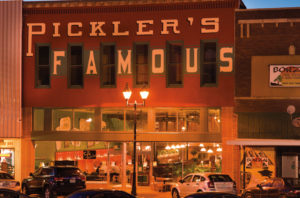
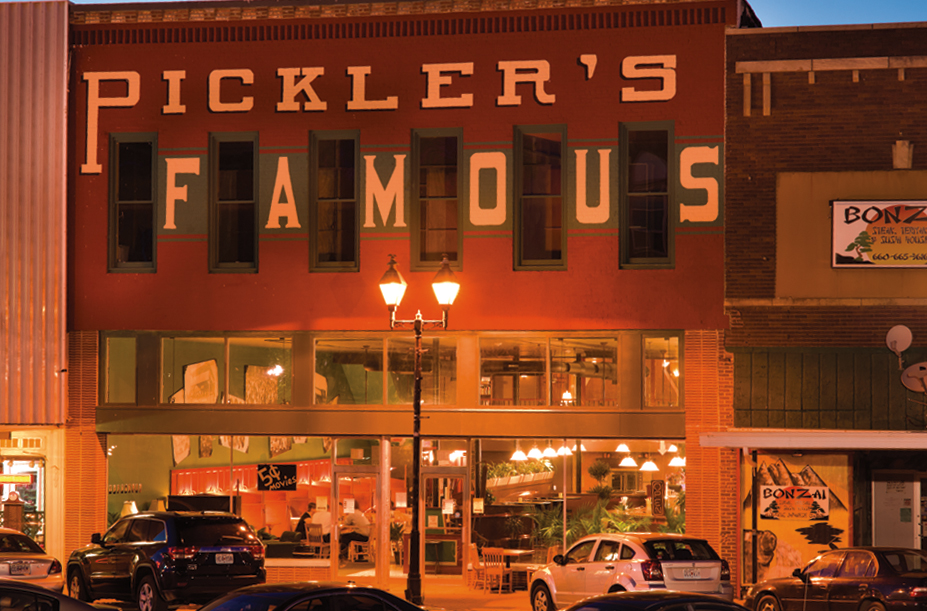
North side of the square today

With thousands of students flocking to Kirksville annually, along with the industries and human resources to support them, the town gets an influx of energy others its caliber might not see. In addition to University activities, Kirksville hosts several special events, like the Red Barn Arts and Crafts Festival and the Round Barn Blues Festival. There is a plethora of cultural options offered year around, including theatre productions and art gallery exhibits. For those who prefer to be outdoors, the area is home to Thousand Hills State Park, as well as numerous hiking and biking trails. Other off-campus attractions include two wineries in the area, an aquatic center and an eight-screen movie theatre. The philanthropic endeavors of the many local clubs and civic organizations also offer avenues for entertainment while spreading goodwill throughout the community.

After Zac Burden graduated from Truman in 2003, the native of Kansas City, Mo., had come to like Kirksville so much he got a job at the University. He is still a ‘townie’ today, and in addition to his job as director of Missouri Hall he serves on the city council and plans to run for re-election in April.

“When my parents first brought me to college, they predicted I would fall in love with Kirksville. They were right,” Burden said. “Two decades later, I love being a member of this community and giving back in any way I can.”

Like the town where it resides, Truman has morphed dozens of times over to become the institution it is today. The Homecoming parade may have always made its way down Franklin Street, but the view from the floats has certainly changed. At one point on the route, a spectator can see West Campus Suites, The Ruth W. Towne Museum and Visitors Center and the Student Recreation Center, all relatively new additions to campus. From the same spot, a glance to the southeast offers a glimpse at the Del and Norma Robison Planetarium, one more sight that might be unfamiliar to anyone who has been absent for the last dozen or so years. A school that started with the mission to train teachers, and opened 63 years before Pluto was discovered, now has a facility capable of letting visitors experience what it would be like to travel through the stars.
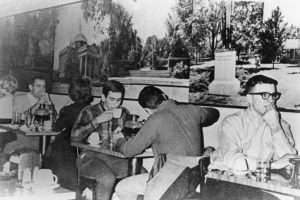
Elaine’s

Change does not always come with desired results, and several things alumni associate with their alma mater can slip away. Thousands of folks would love to stop in at Elaine’s for a cinnamon roll, but sadly, the local favorite was lost to fire in 1978. Bulldogs of another era would be more inclined to venture up the narrow staircase at Too Tall’s and grab a seat at the oversized table on the third level. That establishment also burned, but rose from the ashes to become Too Tall’s Two. When a second fire almost destroyed it again, a new owner attempted to reopen it and, in a sign of good humor, dubbed it The Inferno. Unfortunately, the third time was not the charm. Two Tall’s closed its swinging mirrored doors for good and is now open only in the minds of those who loved it.

Thankfully, things in Kirksville seem to be moving in the right direction. The population is trending up, businesses are coming to town and support from the community is resulting in improvements to local roads and parks.

To a certain segment of graduates, Kirksville will always be synonymous with The Bulldog Inn or socials at Kirk gym. Years from now others will have fond memories of laser shows at the planetarium, the farmer’s market on Saturday mornings and the first time they experienced the train bridge. What their most memorable college moment may be is less important than the fact they had it and that Kirksville was a part of it. It is their small patch in the quilt of memories constructed by alumni for generations. Town and campus may change, but their ability to create lasting impressions will always remain. Wherever they may roam, in a certain sense for many alumni, Kirksville will always be home.


 

Navigating the Future

Coming to America put Huan Truong on a path to a better life and a rewarding career.

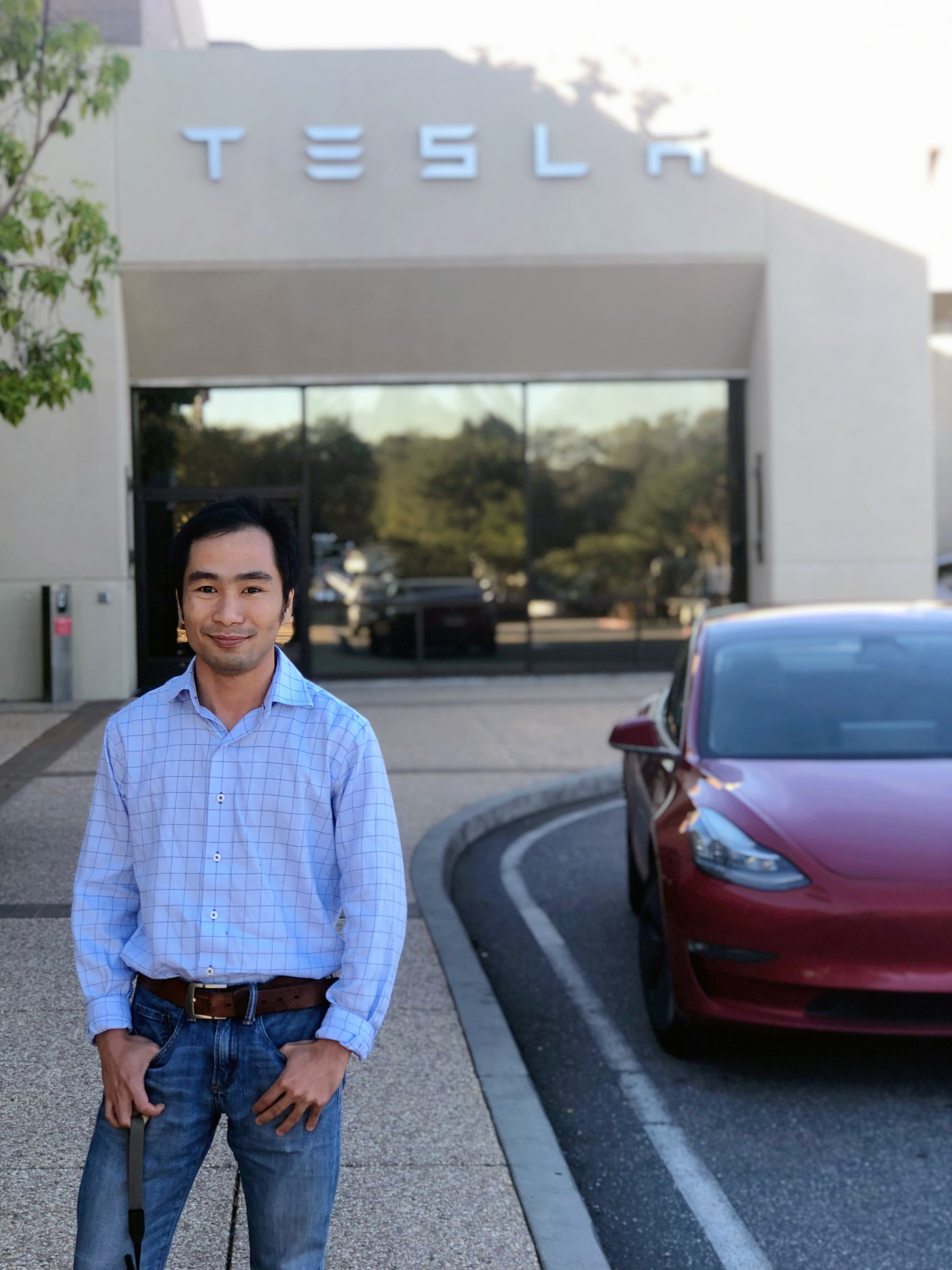
Prior to studying at Truman, Huan Truong was a college dropout in his home country of Vietnam. Today, the computer science alumnus has a Ph.D. and works for one of the most technologically innovative companies on the planet. 

Truong (’11) always wanted to come to the U.S. for his education, but did not know if it would be economically feasible. With encouragement from some friends, including two who were already at Truman, he took a leap of faith and enrolled at the University. Growing up, he viewed the U.S. as a land of opportunity, which to him meant wealth and fame, but his views changed upon arrival.

“The opportunity here is the second chance that many people like me might not have in their home country. In that regard, Kirksville is my American Dream coming true,” Truong said. “Kirksville was the place that picked me up as a broken-hearted, and literally broke, 20-year-old who didn’t know what to do. Part of what makes Kirksville so special is that it is kind and inclusive for me and many others.”

Although Truong made it to America, his journey to success was not always smooth sailing. By his own admission he was a mediocre business administration student. After three semesters, he took a computer science class. It was a subject he enjoyed, but he wasn’t sure it would be right for him.

“I didn’t know if I wanted to go hardcore computer programming as a major since everyone who does CS seemed boring to the arrogant me at the time,” he said.

After a faculty member pointed out he had a long future ahead of him and he should spend it doing what he enjoys, Truong made the switch to computer science the very next day.

While pursuing his Ph.D. in informatics at the University of Missouri, Truong worked on a side project called Crankshaft. It was an open-source, free software that anyone could install in a traditional vehicle to make it a smart car. With Crankshaft, drivers could have convenient, voice-controlled maps and music without having to physically handle their cell phone. It made the roadways safer, and earned Truong the attention of a little company named Tesla.

Once his studies were completed in the summer of 2018, Truong packed up and moved to Mountain View, Calif., and he now spends his days writing code for a company considered by many to be the trailblazer of the American automotive and energy industries.

“I am honored to be working with people who are so smart and work so hard to make great products,” he said. “The work makes me feel like I live 10 years in the future. There are problems that can only be solved by the collaboration of thousands and thousands of people. I think making great cars that are safe, smart and fun to use is one of those problems.”

As a software engineer, Truong is more problem solver than gearhead. Ironically, for a guy who works at one of the most groundbreaking tech companies in the world, he gets to the office many days by a very old-school means of transportation: his bicycle. He does, however, get to ride in a Tesla car to work on the other days.

“To me, cars are like giant toys,” he said. “I love it, to be able to contribute my part in making technology trustable, friendly and helpful in people’s eyes. I feel not all tech companies are heading that way, so I feel fortunate to work for a company that seems to have a mostly positive impression on people. Lastly, nothing compares to helping the Earth and humanity while having fun and doing exactly what I love.”

In the future, Truong hopes to apply his skills at some of his boss’ more ambitious companies. He would love to work for SpaceX on projects like CubeSat satellites or a spaceship.

What’s in a Name

The dedication of a local park was an early sign of a life committed to service.

Vicki Patryla is nearly 50 years removed from her time as a student, but her name will likely live on in Kirksville forever. She is the name behind the town’s Patryla Park, an honor bestowed on her at the ripe old age of 24.

A native of St. Louis, Patryla (Pa-TRY-la) quickly felt a connection to her college home.

“The faculty seemed very competent and very caring, and I just fell in love with the people of Kirksville,” she said. “I became more engaged and more committed to the city of Kirksville because of the caring feeling of the people.”

As a cheerleader and member of what is now known as the Residence Hall Association, Patryla (’69, ’70) was active on campus. She was also very committed to service in the community, particularly in regard to children. She routinely worked with kids in the residential area then known as Pickler Park, and saw a need to outfit the space with amenities for children. To help make the spot family friendly, she called on Campus Volunteers, an organization she created, to secure financial donations from local businesses and clubs.

After Patryla earned her master’s degree, much of the project was turned over to Campus Volunteers. By 1971, after years of work, the area officially became Kirksville’s sixth public park. Located on Decker Road, and tucked in behind Spur Pond, it was christened Patryla Park in honor of the young woman who put the entire plan in motion. Patryla was brought to tears when she received a letter notifying her of the designation.

“I had no idea it was going to be named after me,” she said. “I was more than overwhelmed, and I was truly humbled knowing that someone would think of me in that way.”

Throughout her childhood, those around Patryla instilled three important points in her: faith in God, belief in others and belief in oneself. While she may have already been on track to lead a life of service, she credits her work with the park in Kirksville for adding fuel to her fire.

Following her time at the University, Patryla earned a degree from the University of Leeds in England, where she studied on a Rotary International Scholarship, and she received her Ph.D. in special education from St. Louis University. Her career has been varied, but service has been at the core. She has taught education at six colleges in five states, often focusing on people with disabilities or special needs. Her efforts do not stop with the classroom. Patryla has served in administrative positions related to community outreach with no fewer than four non-profit organizations or corporations, and her charitable endeavors have led her to several countries. In addition to children and the disabled, she has poured her heart into causes for the elderly, veterans, international citizens and the mentally ill, among others.

After enough selfless acts, it can be difficult to avoid the spotlight. Over the years, Patryla’s efforts have earned praise from both sides of the political aisle. She has received letters of recognition from former Sen. Max Cleland and President Bill Clinton, to name a few, and her work with veterans garnered a call from a staff member for President Barack Obama. Organizations that have shown gratitude for her work include the March of Dimes, the Veterans Administration and the Salvation Army. While it’s nice to be appreciated, Patryla is not motivated by earning distinctions to pad her resume.

“Kindness is the most important credential,” she said. “Life is not about awards, honors and degrees. Life is about doing the work of the Lord. It is nice to be important, but it is more important to be nice. The best gift of giving is giving of oneself and the warmth of the human heart.”

Patryla is retired and now makes her home in Lilburn, Ga.

Patryla continues to volunteer her time for veterans and children like Madison, left, and Megan.